
Choosing safe kitchen utensils has become a major concern for both consumers and cookware brands. Modern buyers are no longer focused only on appearance or price — they also care about food safety, material stability, heat resistance, and long-term durability. Whether you manufacture premium kitchenware or source cookware accessories for retail distribution, selecting the right spatula material directly impacts product quality and user safety.
For OEM cookware brands and distributors, understanding non-toxic utensil materials helps improve product positioning and customer trust. From food-grade silicone to stainless steel and natural wood, each material offers different advantages depending on cooking applications and manufacturing requirements.
Behind many premium kitchen utensils are advanced industrial manufacturing processes such as custom metal stamp production, sheet metal stamping, aluminum die casting, and deep drawn metal stamping, which ensure structural strength and precision assembly for cookware handles and accessories.
What Makes a Cooking Utensil Non-Toxic?
A non-toxic spatula or cooking utensil should remain chemically stable under heat, avoid releasing harmful substances into food, and comply with international food-contact regulations.
For professional cookware manufacturers, safe materials are essential not only for consumer protection but also for meeting FDA, LFGB, and global compliance standards.
Sans BPA
BPA (Bisphenol A) is a chemical commonly associated with certain plastics. High-quality kitchen utensils should always use BPA-free materials to reduce health risks and improve food safety compliance.
FSC-Certified
For wooden utensils, FSC certification ensures wood materials are sourced responsibly through sustainable forestry practices.
FDA-Approved
FDA-approved materials are tested for food-contact safety and heat stability. Food-grade silicone and stainless steel are widely used because of their excellent compliance performance.
Microplastic-Free
Consumers increasingly prefer utensils that do not shed microplastics during cooking. Silicone, stainless steel, and natural wood are often preferred alternatives to low-grade plastics.
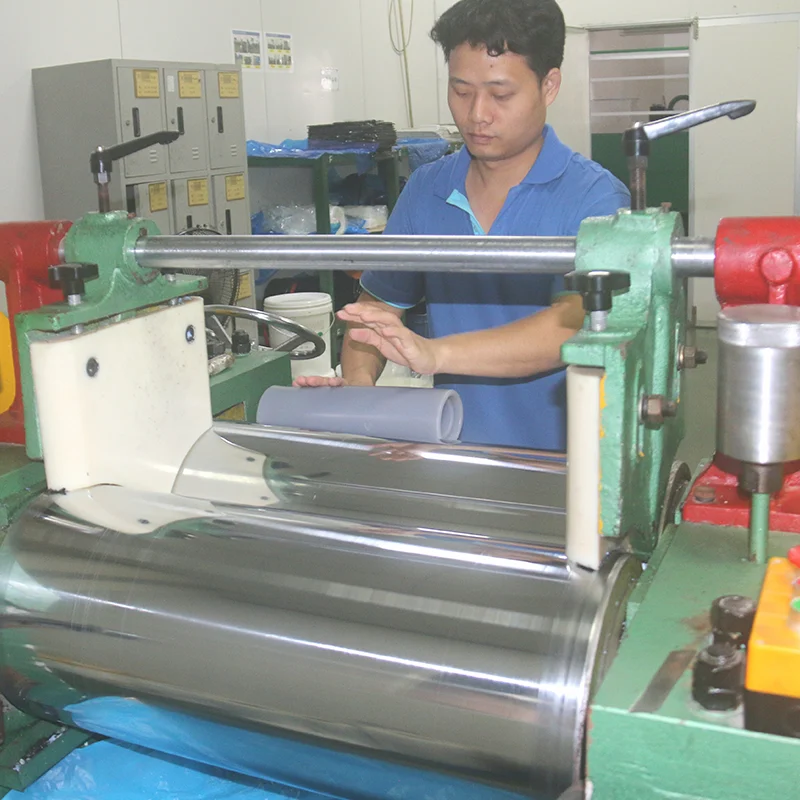
What Harmful Chemicals Should You Avoid?
Low-quality cookware materials may release potentially harmful chemicals under high temperatures. Understanding these substances helps buyers make safer sourcing decisions.
PTFE
PTFE coatings can degrade when overheated, potentially affecting cooking safety if low-grade coatings are used.
PFOA
PFOA has historically been associated with certain non-stick coating production methods. Most premium manufacturers now avoid its use completely.
PFAS
PFAS chemicals are receiving growing regulatory attention worldwide because of environmental and health concerns.
What Are the Top Non-Toxic Materials for Cookware?
Different cookware materials provide varying performance advantages for both home and commercial cooking applications.
1. Stainless Steel
Stainless steel is one of the safest and most durable cookware materials available. It resists corrosion, tolerates high temperatures, and maintains structural stability over time.
Avantages :
- Highly durable
- Corrosion resistant
- Non-reactive with food
- Easy to sanitize
Limitations:
- Can scratch delicate coatings
- Higher manufacturing cost
Many premium handles and structural cookware components are manufactured through sheet metal stamping and deep draw stamping processes to improve strength and precision.
2. Cast Iron
Cast iron offers excellent heat retention and long-term durability.
Avantages :
- Superior heat retention
- Long lifespan
- Naturally non-stick when seasoned
Limitations:
- Heavy weight
- Requires maintenance to prevent rust
3. Enameled Cast Iron
Enameled cast iron combines durability with easier cleaning and improved corrosion resistance.
Avantages :
- Easy maintenance
- Attractive appearance
- Excellent heat distribution
Limitations:
- Higher price point
- Surface chipping risk
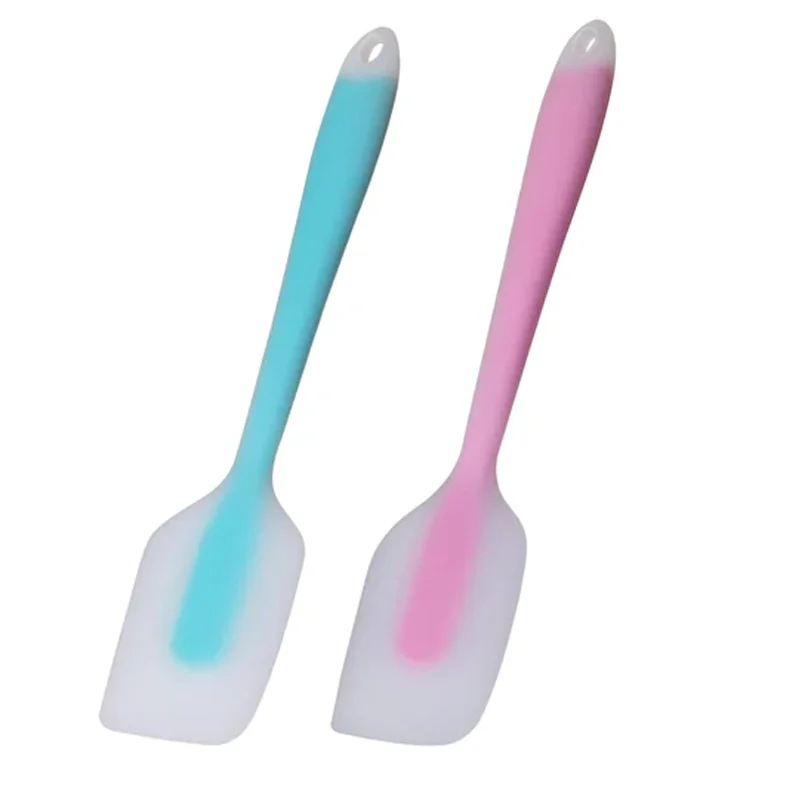
4. Food-Grade Silicone
Food-grade silicone spatulas are increasingly popular because of their flexibility, heat resistance, and non-scratch performance.
Avantages :
- Heat resistant
- BPA-free
- Flexible and durable
- Safe for non-stick cookware
Limitations:
- Low-quality silicone may discolor
- Inferior products may contain fillers
5. Wooden Utensils
Wood remains a traditional and eco-friendly option for cooking utensils.
Avantages :
- Natural appearance
- Gentle on cookware
- No metal scratching
Limitations:
- Requires careful cleaning
- Can absorb moisture over time
6. Ceramic-Coated Cookware
Ceramic-coated cookware offers non-stick performance without traditional PTFE coatings.
Avantages :
- Smooth cooking surface
- Easy cleaning
- Reduced chemical concerns
Limitations:
- Coating durability varies
- Sensitive to thermal shock
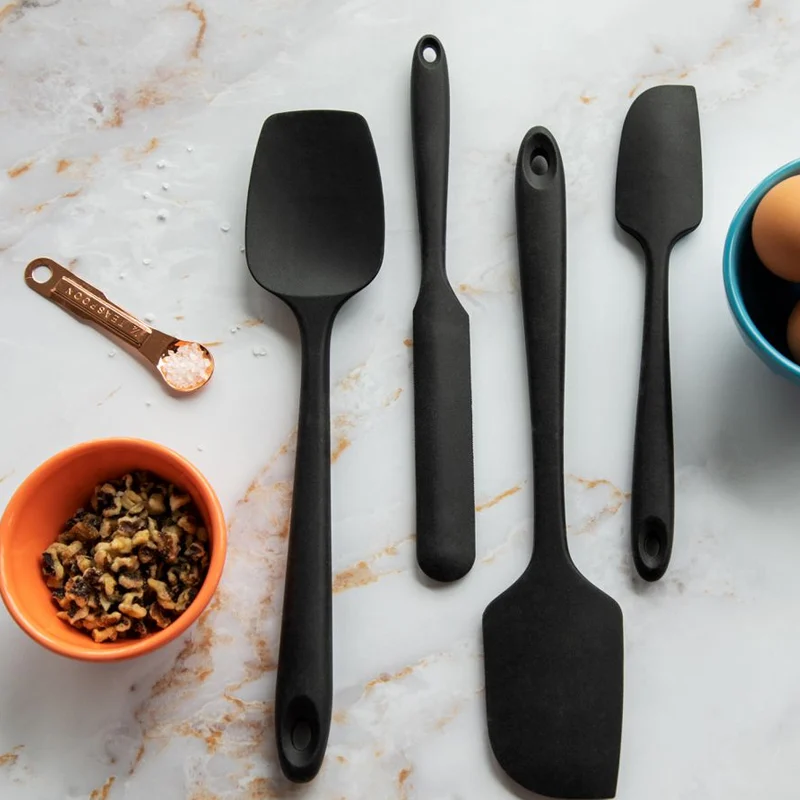
How To Maintain Non-Toxic Cookware
Proper maintenance significantly extends cookware lifespan and preserves food safety performance.
Avoid Metal Utensils
Using aggressive metal utensils may damage non-stick or ceramic surfaces.
Hand Wash
Gentle hand washing helps preserve coating integrity and reduces long-term wear.
Be Careful With High Heat
Excessive heat can shorten cookware lifespan and affect coating performance.
Stack Gently
Improper stacking may scratch surfaces and reduce product durability.
Why Choose YJCPolymer
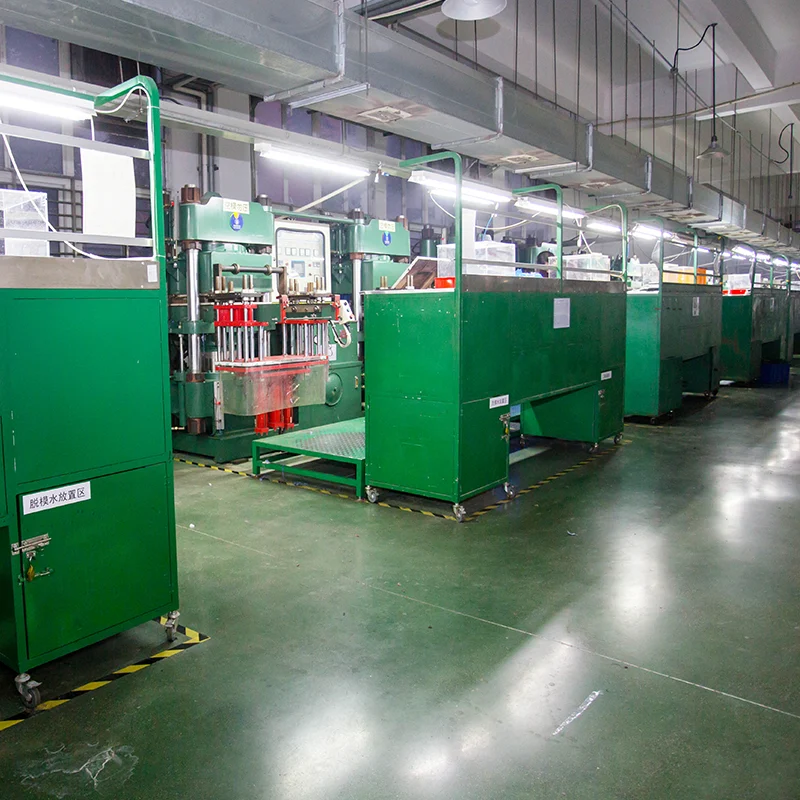
Modern cookware products require far more than simple assembly. Buyers today expect food safety compliance, stable material performance, attractive design, and long-term durability. YJCPolymer supports global cookware and kitchenware brands with advanced manufacturing solutions for food-grade silicone products and precision industrial components.
Behind many high-quality cookware accessories are precision industrial manufacturing technologies including custom metal stamp production, aluminum die casting, sheet metal stamping, and deep drawn metal stamping processes used for structural reinforcement and handle components.
From a B2B manufacturing perspective, YJCPolymer provides several key advantages:
- Advanced OEM and ODM manufacturing capability
- Strict raw material verification systems
- FDA and food-grade compliant production standards
- Automated silicone molding production lines
- Precision tooling development and DFM support
- Stable supply chain management
- Competitive pricing for global distributors
- Consistent high-volume production quality
For cookware brands seeking reliable kitchen utensil manufacturing partners, long-term product stability and manufacturing consistency are critical for maintaining market competitiveness.
Conclusion
The healthiest type of spatula ultimately depends on material quality, manufacturing standards, and intended cooking applications. Food-grade silicone, stainless steel, natural wood, and ceramic-coated cookware remain among the safest and most reliable choices available today.
For OEM cookware brands and sourcing managers, partnering with experienced manufacturers helps ensure regulatory compliance, product durability, and long-term consumer trust. Advanced industrial production methods such as custom metal stamp manufacturing, deep draw stamping, and precision tooling continue to improve cookware performance across the global kitchenware industry.
If you are developing custom cookware accessories or sourcing premium kitchen utensils, choosing a manufacturing partner with strong engineering capabilities and quality systems can significantly improve your product success.
Questions Fréquemment Posées
1. What is the safest material for spatulas?
Food-grade silicone and stainless steel are generally considered among the safest materials due to their heat resistance and chemical stability.
2. Are silicone spatulas healthier than plastic spatulas?
Yes. High-quality food-grade silicone is typically safer because it is BPA-free, heat resistant, and less likely to release harmful substances.
3. Can wooden utensils harbor bacteria?
Properly maintained wooden utensils are generally safe, but they should be cleaned and dried thoroughly to prevent moisture absorption.
4. Why is food-grade silicone important?
Food-grade silicone complies with strict safety regulations and maintains stability under cooking temperatures.
5. How do manufacturers ensure cookware safety?
Professional manufacturers use certified raw materials, precision testing equipment, FDA-compliant production standards, and strict quality control systems.
 French
  English
  German
  Spanish
  Portuguese
  Russian