
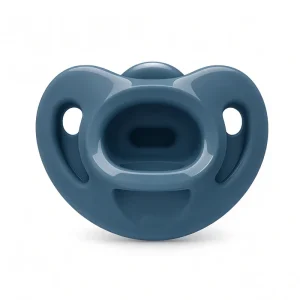
Custom Silicone Fruit Feeder | OEM & ODM Baby Feeding Supplier
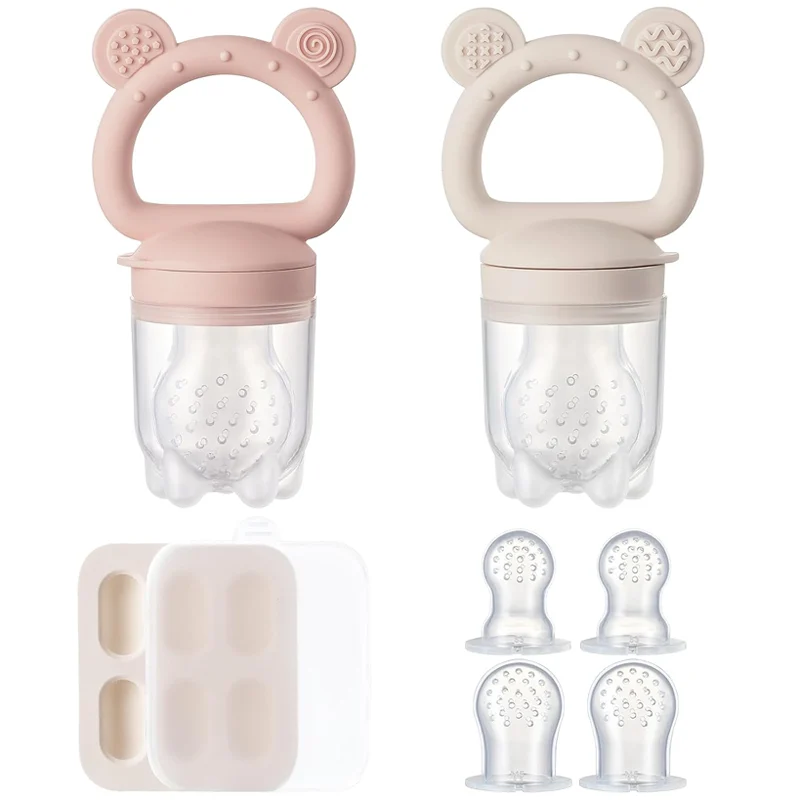
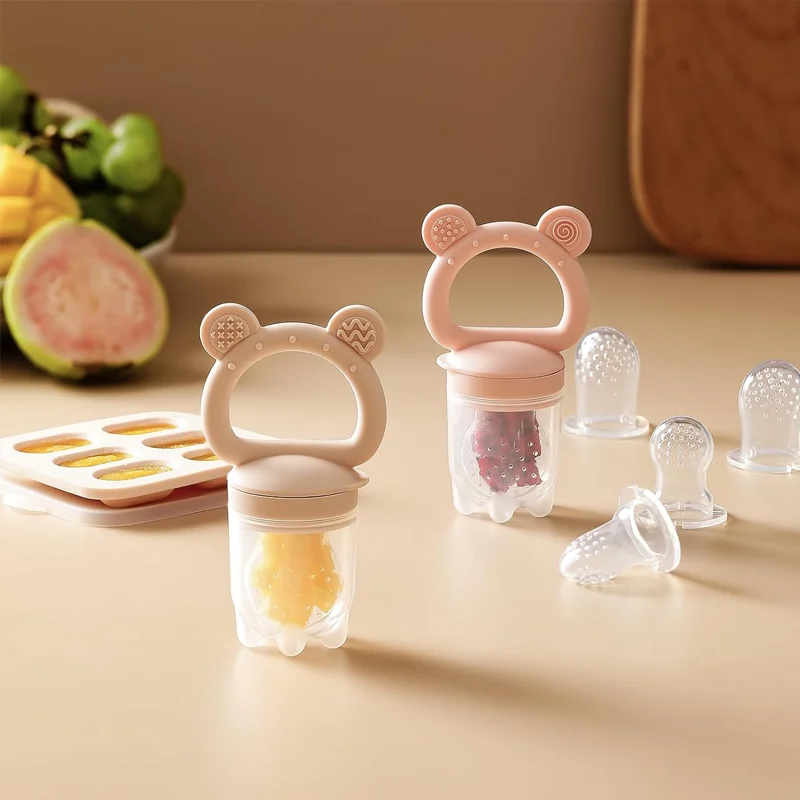
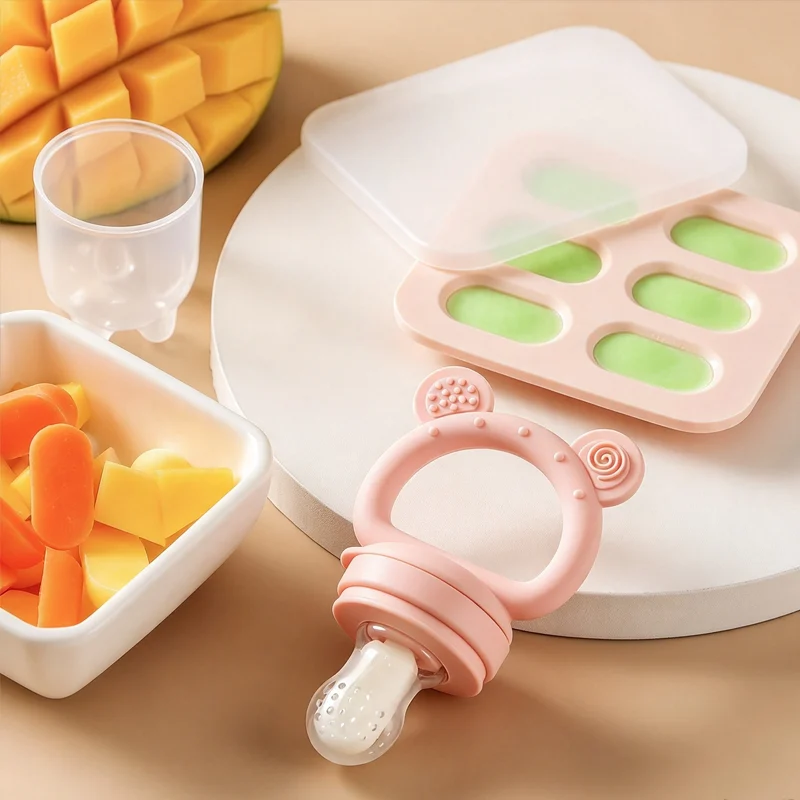
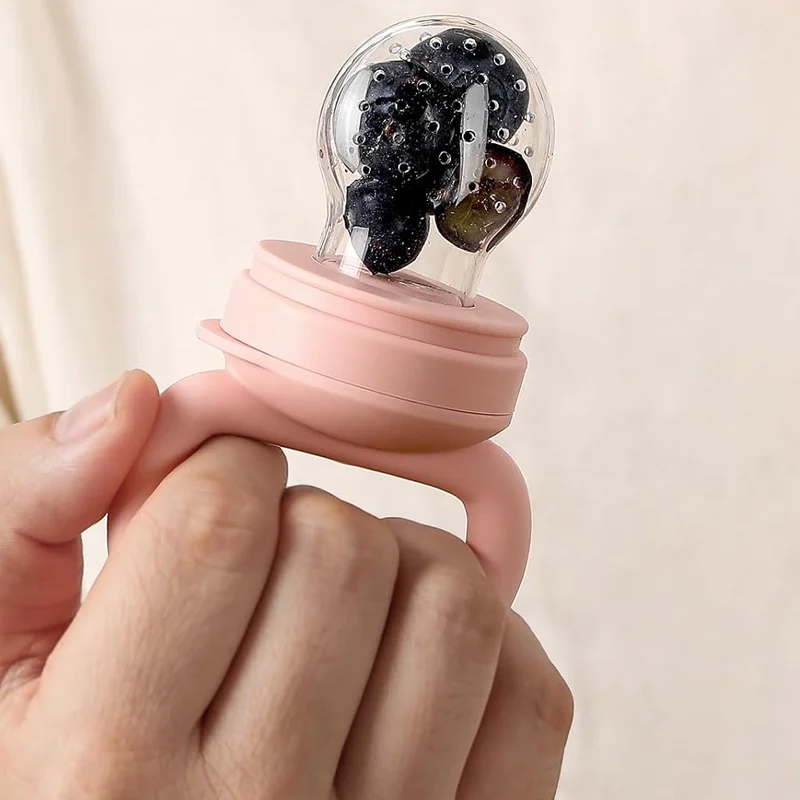
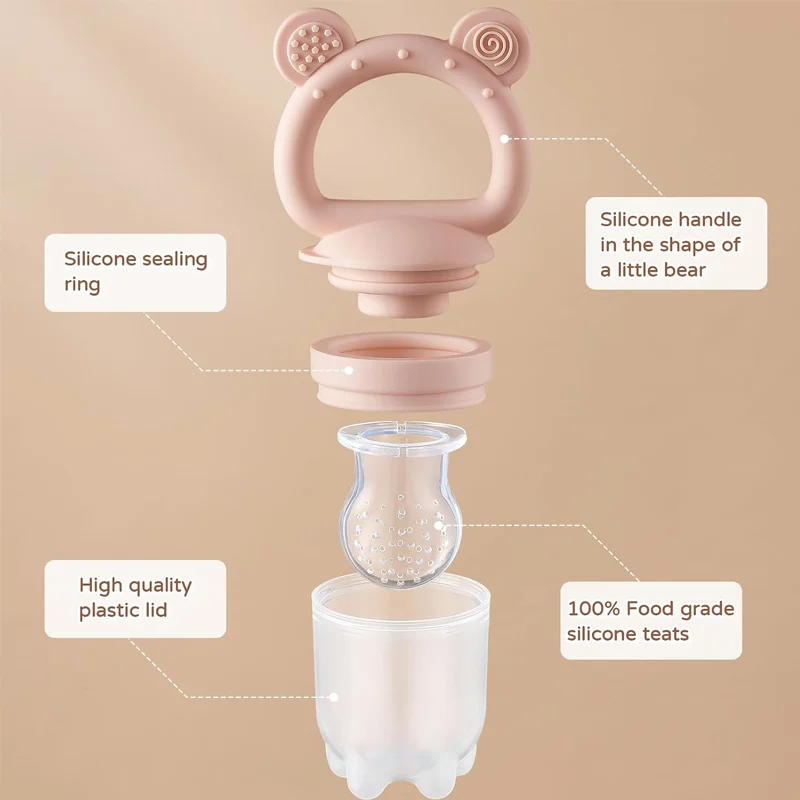
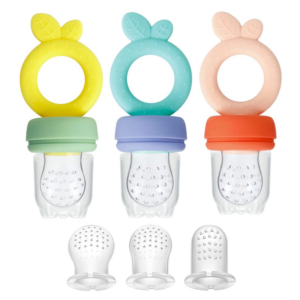
Develop a differentiated baby feeding product for your brand with an OEM fruit feeder pacifier designed around practical feeding functions and flexible product presentation. The PP and silicone construction combines a supporting structure with soft feeding components, while the integrated handle gives the product a convenient gripping point.
For distributors and baby-care brands, this product offers a customizable addition to infant feeding and teething-relief collections. Buyers can discuss color combinations, printed patterns, branding, and retail packaging to align the finished product with an existing product line or a new market launch.
Our OEM/ODM project approach focuses on confirming the product configuration, intended age group, material requirements, and destination-market documentation before moving into sample approval and bulk production planning.

OEM/ODM Development for Custom Baby Feeding Products
Our OEM/ODM service is structured around the requirements of baby-care brands, importers, wholesalers, and private-label businesses. Buyers can submit an existing product reference or a new concept for feasibility review.
Product Appearance and Brand Identity
- Custom body colors and coordinated color combinations
- Custom patterns and decorative design elements
- Logo application, subject to the available surface and printing method
- Product presentation aligned with the buyer’s existing brand identity
Product Configuration Review
- Review of PP and silicone component specifications
- Confirmation of the handle and feeding-part configuration
- Review of the specified medium-flow performance
- Evaluation of proposed changes to dimensions or product structure, where technically feasible
Private-Label Packaging
- Custom color boxes and retail packaging
- Brand artwork and product labeling
- Packaging copy and instruction materials, subject to review
- Barcode, carton marks, and shipping-label requirements where applicable
For new designs or structural changes, tooling requirements, sample development, production feasibility, and any associated costs should be confirmed before the order is finalized.
Material Documentation and Compliance Review for Baby Fruit Feeders
For baby feeding products, material claims and destination-market compliance are important parts of supplier qualification. Buyers should evaluate the finished product and its intended use rather than relying on a general statement that a material is food grade or BPA-free.
Material and Component Verification
The product specification lists PP and silicone. During project review, buyers can confirm the grade and supplier documentation for each material, including the components that may contact food or enter a child’s mouth.
Relevant review items may include:
- Material identification and traceability
- BPA-free supporting documentation, where claimed
- Applicable food-contact test reports for the intended market
- Component specifications and approved material substitutions
- Consistency between the approved sample and bulk-production materials
Destination-Market Documentation
The supplied information lists ISO 9001, BSCI, Sedex, LFGB, CPC, and CE/EN. These references do not all represent the same type of approval, and some may apply to the management system, factory assessment, or specific product configuration rather than every item in the range.
Before order confirmation, buyers should identify the destination country, product classification, intended age group, and required standards. The applicable reports, certificates, declarations, and audit records can then be checked against the specific model and market requirements.
Packaging and Order Planning for OEM Fruit Feeder Pacifiers
Packaging and order details should be agreed before mass production so the product arrives ready for the buyer’s distribution channel.
| Procurement Item | Details to Confirm |
|---|---|
| Order Quantity | Initial order volume and forecast for repeat orders |
| Product Color | Standard color selection or approved custom color |
| Logo and Pattern | Artwork file, print position, size, and approval requirements |
| Retail Packaging | Color box or another agreed packaging format |
| Labeling | Product identification, age guidance, warnings, and market-specific information |
| Carton Configuration | Units per carton, carton dimensions, and shipping marks |
| Compliance Documents | Required reports and documentation for the destination market |
| Утверждение образца | Final reference sample and written specifications before production |
MOQ, unit pricing, sample charges, production lead time, and shipping arrangements should be quoted after the product configuration, order quantity, packaging, and destination are confirmed. These details should not be assumed from a generic product listing.
Application Scenarios for Wholesale Baby Feeding Accessories
The OEM fruit feeder pacifier can be considered for the following commercial product lines:
- Baby feeding brands: Add a fruit-feeding accessory to an existing infant feeding range.
- Infant care distributors: Expand a catalog of feeding and teething-related products.
- Baby product wholesalers: Source customizable SKUs for regional retail customers.
- Private-label e-commerce sellers: Develop a branded listing with coordinated colors and packaging.
- Mother-and-baby retailers: Build complementary product assortments around feeding and early self-feeding.
- Baby gift and starter-kit suppliers: Include the feeder in a curated feeding-accessory set, where the intended age group and use are appropriate.
Final application claims, age recommendations, and packaging information should match the product’s verified design and the requirements of the sales market.

FAQ:
1. What information should we provide to receive an accurate OEM quotation?
Please provide the target order quantity, preferred colors, logo or pattern artwork, packaging requirements, destination market, and any required compliance documents. If you have a reference sample or technical drawing, include it so the supplier can review the requested configuration and identify any changes that may affect pricing or tooling.
2. How can we verify that the PP and silicone materials meet our market’s requirements?
Request material identification and supporting documentation for the actual components used in the selected model. If food-contact testing is required, confirm the applicable test method and market standard with the supplier and your compliance team. A general BPA-free statement or a certificate associated with another product should not be treated as proof that the complete feeder meets every requirement.
3. Can we develop a private-label version without changing the existing product structure?
Color selection, logo application, patterns, and packaging may be customizable without redesigning the entire product. The available options depend on the existing mold, component surfaces, printing method, and production feasibility. Structural changes, new dimensions, or changes to the feeding component require a separate technical review and may involve new tooling or additional validation.
4. How do you maintain consistency between the approved sample and bulk orders?
Before production, buyers should confirm the reference sample, material specifications, color standard, artwork, assembly requirements, and agreed acceptance criteria. These details should be used for incoming-material checks, in-process inspections, and final sampling. Any proposed material or component substitution should be reviewed and approved before implementation.
5. What quality checks should be agreed for a baby fruit feeder pacifier?
The inspection plan should reflect the actual product construction and applicable standards. Relevant checks may include visual defects, molding consistency, component fit, handle and joint integrity, feeding-part condition, assembly security, and packaging accuracy. Any safety-related testing should be determined according to the product design and target-market requirements rather than assumed from a generic inspection checklist.
6. How should we confirm MOQ, sampling costs, and production lead time for a first order?
Ask for a quotation based on the selected configuration, order quantity, packaging format, and destination market. Confirm whether the quoted MOQ applies to each color or can be shared across colors, whether sample costs are refundable or separate, and whether the lead time begins after sample approval, artwork approval, or deposit receipt. Also clarify the approval process for custom colors, printed logos, and retail packaging before committing to a launch schedule.

 Russian
 English
 German
 Spanish
 Portuguese
 French