
At YJCPolymer, we work with brands, distributors, and OEM buyers who need a custom silicone spatula that performs well in real kitchens and holds up in mass production. When buyers ask what a silicone spatula is made of, the answer is more than just “silicone.” The final product depends on the silicone grade, the internal structure, the handle design, the curing process, and the quality standards used by the manufacturer and factory during production.
A good spatula must be heat resistant, food safe, flexible, durable, and comfortable to use. That is why material selection matters so much. Different spatula materials offer different strengths, and choosing the right one depends on how the product will be used, what cookware it will touch, and what kind of market you are targeting.
Exploring the Spectrum of Spatula Matériaux
Spatulas are made from several common materials, including silicone, stainless steel, nylon, and wood. Each one serves a different purpose in kitchenware design. For OEM projects, understanding these differences helps brands and suppliers build products that match customer expectations and price points.
Silicone Spatulas: The Flexible All-Rounder
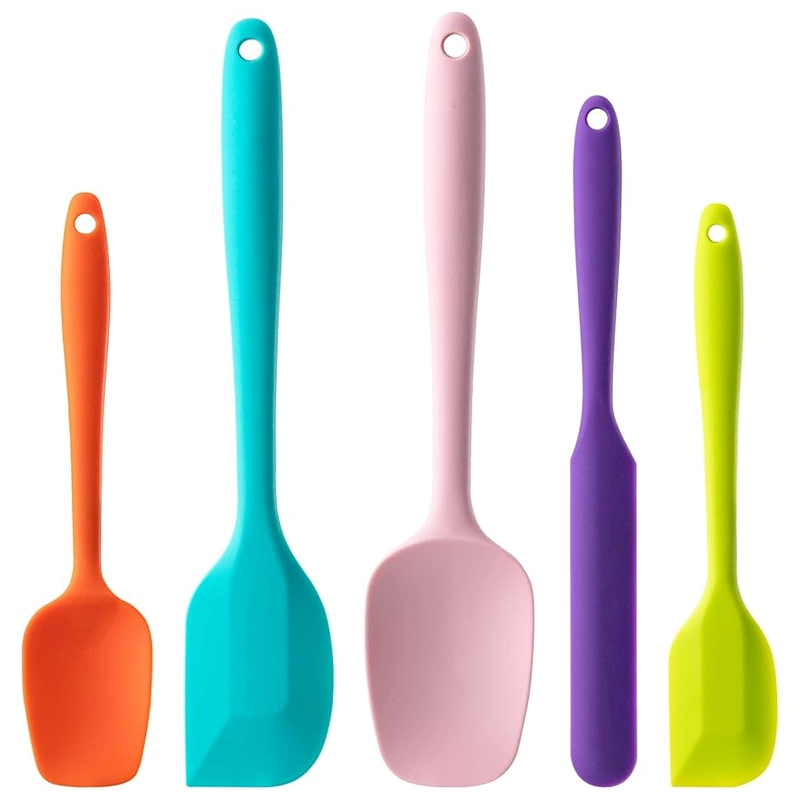
Silicone is one of the most popular materials for modern kitchen spatulas because it combines flexibility, safety, and heat resistance. A well-made silicone spatula is suitable for stirring, scraping, folding, spreading, and baking.
Heat Resistance and Food Safety
High-quality food-grade silicone can tolerate high temperatures without melting or releasing unwanted odors. This makes it ideal for cooking applications where the spatula may be exposed to hot pans, saucepans, or baking trays. When produced by a reliable factory, silicone spatulas are also made to meet food-contact standards, which is essential for kitchen safety.
Flexibility and Non-Stick Compatibility
One of the biggest advantages of silicone is its soft, flexible edge. It glides smoothly along bowls and pans, making it especially useful for non-stick cookware. Unlike harder materials, silicone is less likely to scratch delicate surfaces.
Durability and Cleaning
Silicone spatulas are easy to clean, often dishwasher safe, and resistant to staining. They are also less likely to crack, chip, or warp compared with some plastic or wood alternatives. For brands looking for high quality products with long service life, silicone is usually the strongest choice.
Stainless Steel Spatulas: The Sturdy Workhorse
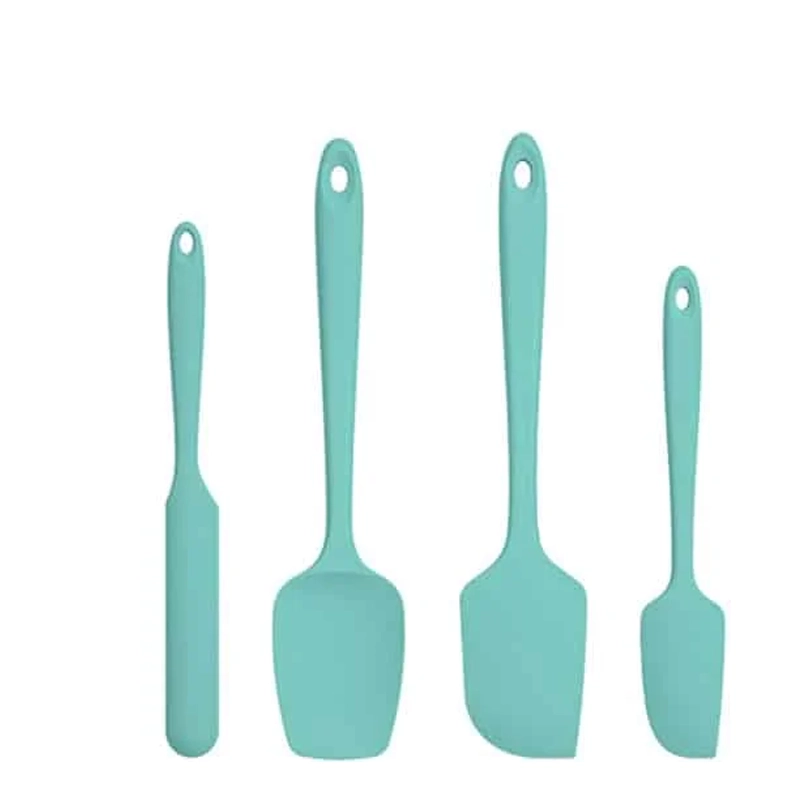
Stainless steel spatulas are known for strength and long-term durability. They are often used in professional kitchens and heavy-duty cooking environments.
Durability and Heat Resistance
Stainless steel performs well under high heat and does not easily bend or break. It is a reliable option for applications that require a firmer tool.
Versatility and Cleaning
Steel spatulas are easy to sanitize and hold up well under repeated use. They are suitable for a wide range of cooking tasks and are often chosen for their premium feel.
Potential for Scratching Non-Stick Surfaces
The main drawback is that stainless steel can damage non-stick pans and coated cookware. For that reason, it is not always the best choice for consumer kitchenware unless the application specifically requires a rigid tool.
Nylon Spatulas: An Affordable Option
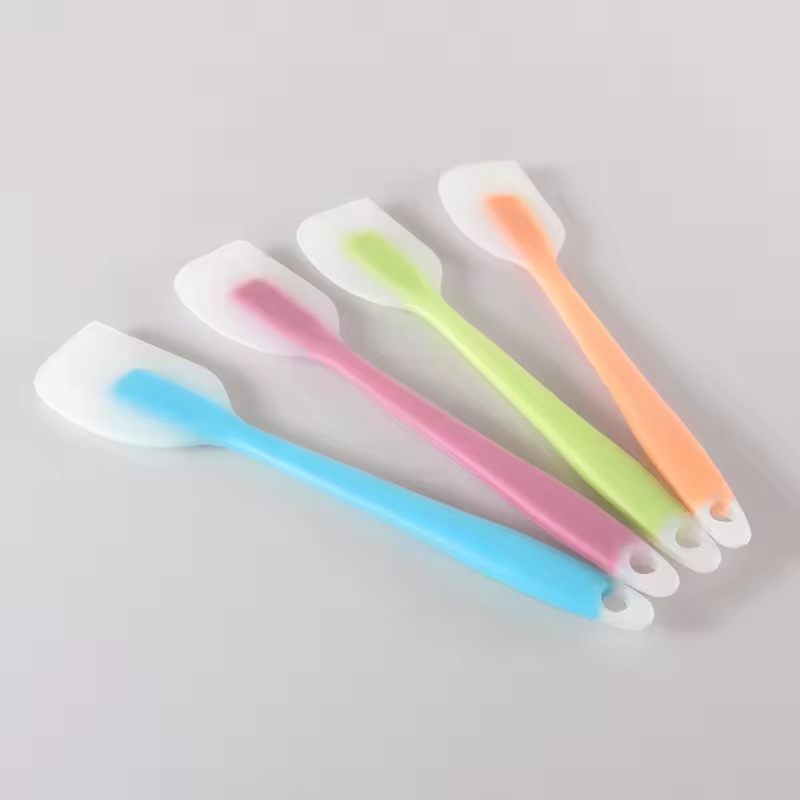
Nylon spatulas are widely used because they are cost-effective and lightweight. They are a common option for entry-level kitchen products.
Heat Resistance and Non-Stick Compatibility
Nylon is softer than metal and generally safe for non-stick surfaces. It offers decent everyday performance for light to medium cooking tasks.
Affordability and Cleaning
This material is inexpensive and easy to mold, which makes it attractive for large-volume production. Many suppliers use nylon when cost is a major concern.
Potential for Melting at High Temperatures
The downside is that nylon can soften or melt if exposed to excessive heat. That limits its usefulness in high-temperature cooking environments.
Wood Spatulas: A Traditional Choice
Wooden spatulas are valued for their natural appearance and gentle contact with cookware. They are still popular in some kitchens, especially where a classic look is preferred.
Gentle on Cookware and Natural Aesthetics
Wood does not scratch pans easily and offers a warm, traditional feel that many users like.
Heat Resistance and Durability
Wood can handle cooking tasks reasonably well, but it may wear down over time, especially if exposed to moisture and repeated heat.
Cleaning and Maintenance
Wood requires more care than silicone or steel. It should be dried properly and cleaned carefully to avoid cracking, warping, or odor absorption.
Choosing the Right Spatula Material for Your Needs
The best material depends on how the spatula will be used and what kind of cookware your customers own.
Considering Your Cookware
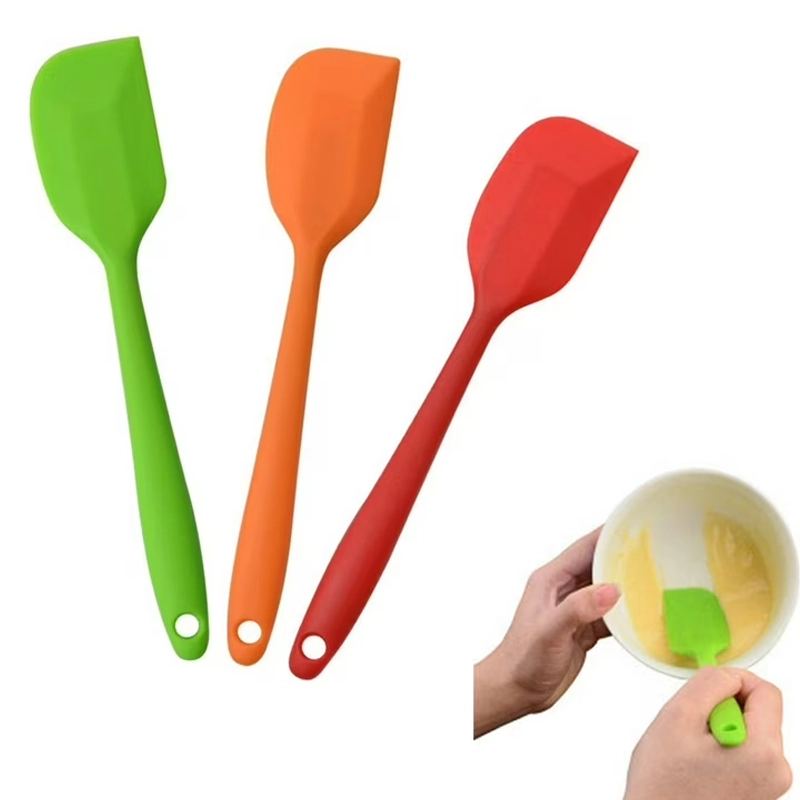
If your target customer uses non-stick pans, silicone is usually the safest and most practical option. If the product is meant for metal cookware or commercial use, stainless steel may be more suitable.
Considering Your Cooking Style
For baking, folding batter, and scraping bowls clean, silicone is the best all-around choice. For high-force tasks, metal may work better. For budget-conscious retail lines, nylon can be a good entry option.
Prioritizing Durability and Longevity
If your goal is a product that lasts and keeps its appearance over time, silicone usually offers the best balance of performance and maintenance. That is why many brands choose it for premium kitchen lines and private-label programs.
Beyond the Material: Other Spatula Features to Consider
A spatula is more than just its raw material. A good product also depends on design details that affect comfort, performance, and manufacturing quality.
Handle Comfort and Grip
A comfortable handle improves control and reduces hand fatigue. This matters especially for products used in baking or cooking for long periods.
Spatula Shape and Size
The blade shape, edge profile, and overall size should match the intended application. A small spatula for jars is very different from a wide baking spatula or a high-heat cooking spatula.
One-Piece vs. Two-Piece Construction
A one-piece silicone spatula is easier to clean and often preferred for food safety. A two-piece design may combine a silicone head with a rigid handle core, which can improve grip and structure. The right construction depends on the target market, pricing, and brand positioning.
Conclusion
A silicone spatula is typically made from food-grade silicone, sometimes combined with an internal core or handle structure depending on the design. Compared with stainless steel, nylon, and wood, silicone offers an excellent balance of heat resistance, flexibility, food safety, and non-stick compatibility. That is why it remains one of the most popular choices for modern kitchenware.
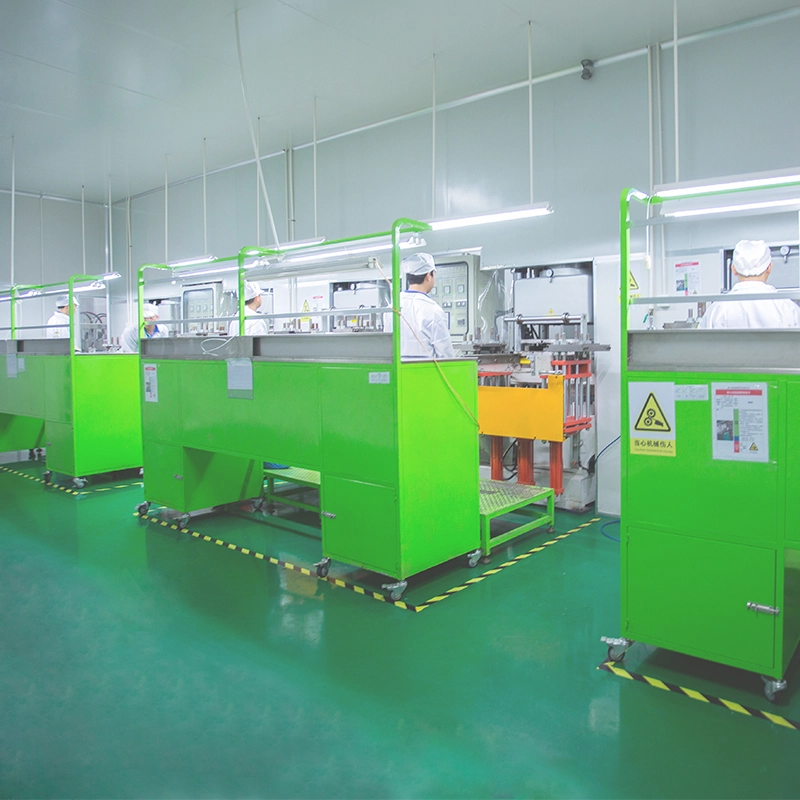
At YJCPolymer, we help customers develop custom silicone spatula solutions with full OEM service, from material selection and mold development to production and packaging. As an experienced manufacturer, factory, and partner to global suppliers, we focus on delivering high quality products that are practical, durable, and ready for market.
If you are planning a new spatula project or looking for a reliable production partner, share your product idea, target market, and order requirements with us. We would be glad to help you build a silicone spatula that fits your brand and performs well for your customers.
 French
  English
  German
  Spanish
  Portuguese
  Russian