
As the automotive industry continues to evolve, lighting technology is advancing at a rapid pace. Modern vehicles rely heavily on sophisticated automotive lighting systems that improve both safety and design. Among the critical components of these systems are LED lenses, which control light distribution and enhance illumination performance.
At yjcpolymer, we actively follow the latest developments in material science and manufacturing technology. By keeping pace with innovations in liquid silicone rubber (LSR) processing and optical materials, we continue to explore new possibilities for producing high-performance optical lenses used in automotive lighting systems.
Why LED Lenses Are Essential in Automotive Lighting
LED technology has become the standard in modern vehicle lighting. Compared with traditional halogen or HID lamps, LEDs offer higher energy efficiency, longer service life, and greater design flexibility. However, LEDs alone cannot deliver optimal performance without carefully engineered LED lenses.
An LED lens functions as an optical lens that shapes and directs light precisely where it is needed. In automotive applications, this means improving road visibility while minimizing glare for other drivers. Because of this, the material used to manufacture these lenses must meet strict optical, thermal, and mechanical requirements.
Manufacturers are therefore looking for materials that combine excellent transparency with durability and stability under harsh operating conditions.

What Makes Liquid Silicone Rubber (LSR) a Game-Changing Material
One material that has gained significant attention in recent years is liquid silicone rubber (LSR). This advanced material offers a unique combination of properties that make it particularly suitable for optical components.
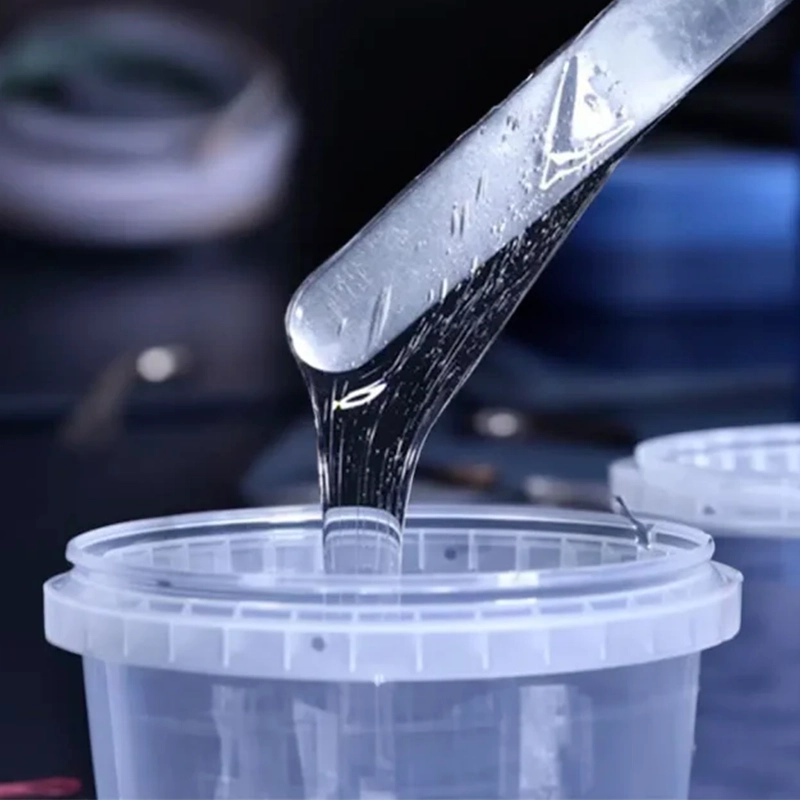
First, LSR provides outstanding optical clarity, which is essential for high-quality LED lenses. The material allows light to pass through with minimal distortion, ensuring consistent and reliable illumination.
Second, liquid silicone rubber is highly resistant to heat. Automotive lighting systems often operate at elevated temperatures, especially in compact LED modules. LSR maintains its optical performance even under long-term thermal exposure.
Another key advantage is its excellent durability and weather resistance. LSR performs well under UV radiation, humidity, and temperature fluctuations, making it ideal for demanding automotive environments.
Advantages of LSR Injection Molding for Optical Lenses
In addition to its material properties, liquid silicone rubber (LSR) is also well suited for advanced manufacturing processes, particularly injection molding.
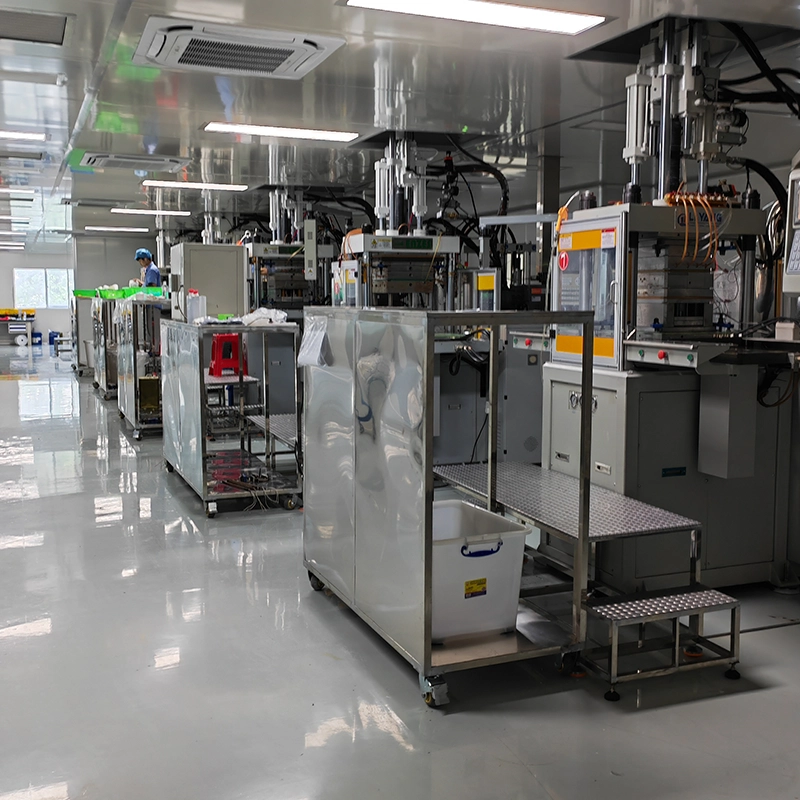
LSR injection molding enables highly automated and efficient production, which is essential for large-scale automotive manufacturing. The process allows manufacturers to produce complex LED lens geometries with exceptional precision and repeatability.
Because LSR cures quickly during molding, manufacturers can achieve short production cycles and consistent product quality. The resulting lenses often feature smooth, high-quality surfaces comparable to those produced with thermoplastics.
This combination of material performance and manufacturing efficiency makes LSR a strong candidate for next-generation automotive lighting optical lenses.

Supporting More Complex Optical Designs
As automotive lighting design continues to evolve, optical components are becoming more sophisticated. Advanced LED modules often require intricate lens shapes to achieve specific beam patterns, adaptive lighting functions, or aesthetic styling.
Traditional materials sometimes struggle to meet these complex design requirements while maintaining optical clarity and thermal stability. Liquid silicone rubber, however, offers greater flexibility in molding complex shapes without compromising optical performance.
This capability allows engineers to create innovative lighting systems that enhance both vehicle safety and visual appeal.

The Future of LSR in Automotive Optical Applications
The adoption of liquid silicone rubber (LSR) in automotive lighting is expected to continue growing. As vehicles incorporate more advanced lighting technologies—such as adaptive headlights, matrix LEDs, and intelligent lighting systems—the demand for high-performance optical lenses will increase.
LSR materials can support these innovations by delivering the optical precision, durability, and production efficiency required by modern automotive manufacturers.
At yjcpolymer, we remain committed to tracking global developments in materials and manufacturing technologies. By staying at the forefront of innovations in liquid silicone rubber processing and LED lens manufacturing, we aim to provide reliable solutions that support the evolving needs of the automotive lighting industry.
 French
  English
  German
  Spanish
  Portuguese
  Russian