
Are you sourcing small dispensing valves for sauce caps, squeeze bottles, or single-serve packs and want to be certain the part you buy protects product quality and brand reputation? At The term "YJCPolymer" seems to be a name or brand and does not require translation. It would remain the same in Spanish. If you need assistance with a specific context or additional content, please provide more details! we design and produce food-contact elastomeric valves — from cross silt valves and one way silicone valve designs to high-volume ketchup valves — using industrial silicone rubber injection molding. Below is a practical, manufacturer-led guide to evaluating silicone valves for food & beverage packaging, including test protocols, procurement advice, and why selecting the right supplier matters.
The Small Valve on Food & Beverage Caps:
That little valve on a cap or dispenser is a frontline quality control device. A poor valve leaks, clogs, or changes dispensing behavior over shelf life, resulting in returns, complaints, and lost customers. High-quality silicone dispensing valves ensure absolute sealing, accurate dosing, safe materials contact, and long life even under harsh fill and distribution conditions.
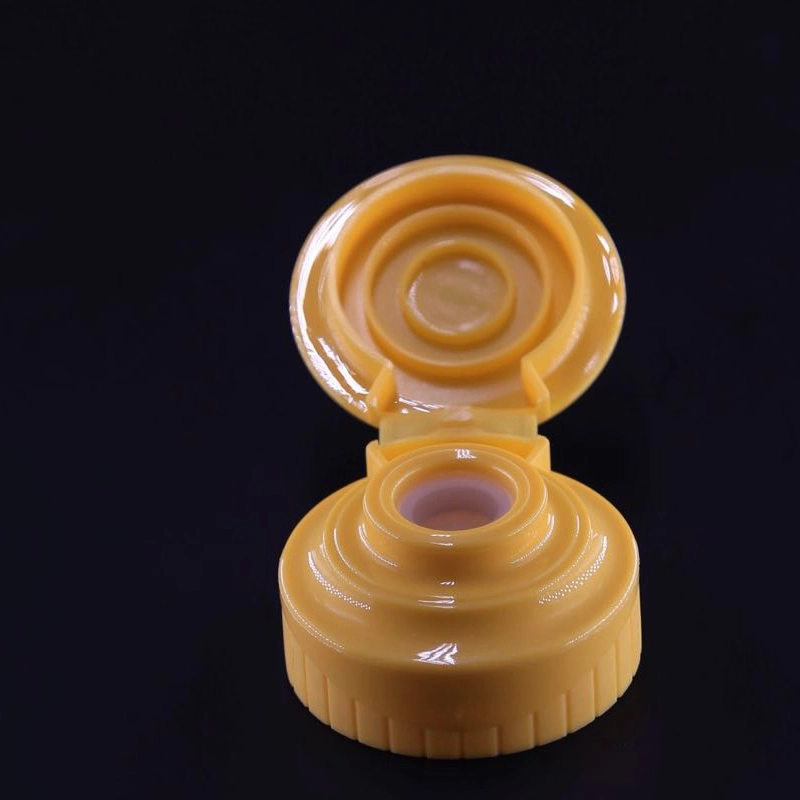
So how can you accurately evaluate the quality of a silicone valve?
Key Criteria for Evaluating Silicone Valve Quality
1. Absolute Sealing Reliability
Test for static and dynamic leak-tightness. Static backpressure tests at specified head pressures and cyclical pressure testing (simulate repeated squeezes) prove the valve remains leak-proof. For caps, also test seam/overmold interfaces.
2. Precise and Responsive Dispensing Performance
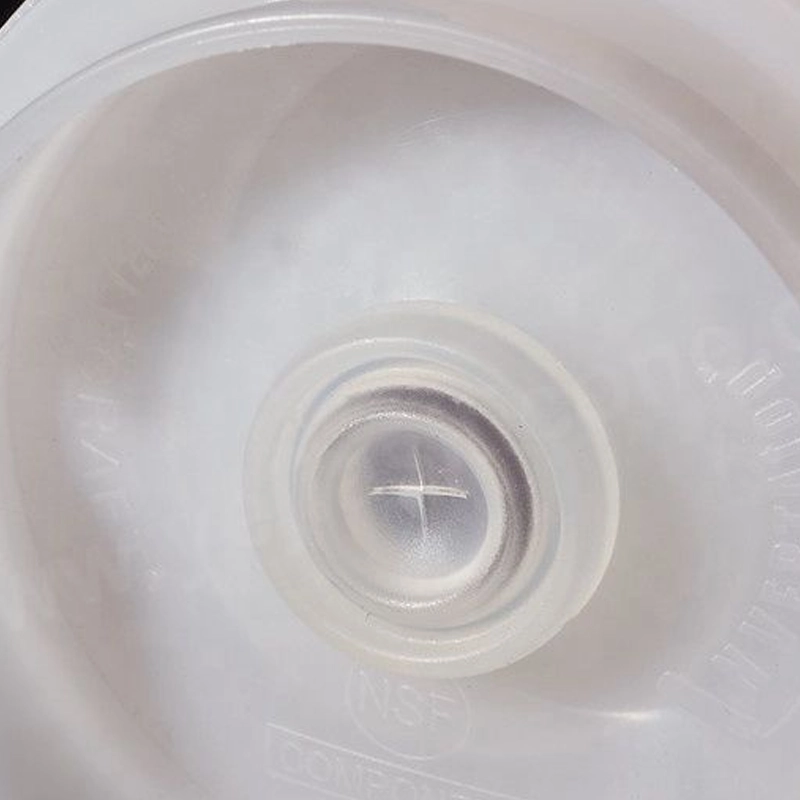
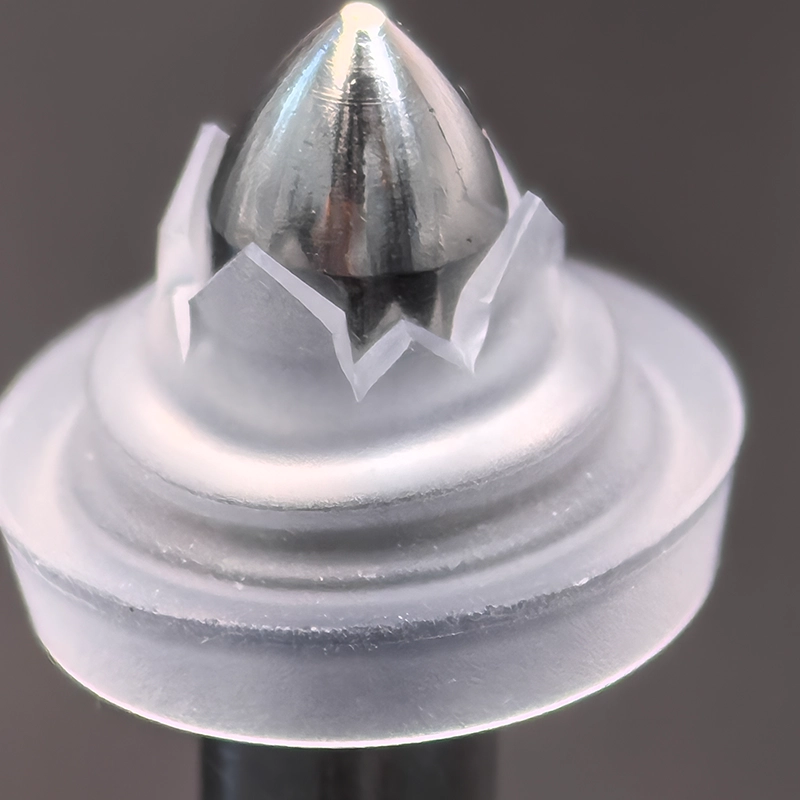
Measure cracking/opening pressure and dispense volume per actuation. Use a distribution of samples and report mean ± SD. Cross-slit and cross silt valve styles require slit geometry inspection to ensure consistent droplet size and no stringing.
3. Material Safety and Long-Term Stability
Require food-contact certifications and supplier material certificates (e.g., FDA food-contact compliance and regional equivalents). Run accelerated aging, thermal cycling, and migration/extractables tests to ensure no odor, taste transfer, or chemical bleed occurs over shelf life.
4. Verified Durability in Real-World Conditions
Cycle-life testing (hundreds of thousands of actuations if required), UV/weather exposure, freeze-thaw, and compatibility with cleaning/sterilization regimes prove long-term function. For hot-fill or pasteurized products, validate high-temperature performance.

Why Silicone Valves Face Extreme Price Competition?
1. Low Unit Cost, Extremely High Volumes
Dispensing valves are commoditized in many categories. Large CPG customers order millions of valves, which drives suppliers to compete heavily on price per piece.
2. Standardized Designs and Price Wars
Common geometries (simple slits, pop-in valves) are easy to replicate. Without differentiated design or validated testing records, many vendors compete purely on cost — a race to the bottom that often hides quality risks.
Practical Recommendations for Silicone Valve Procurement
1. Define Clear Technical Specifications
Don’t buy on part number alone. Specify: cracking pressure range, dispensing volume per stroke, leak-back pressure, allowed odor/taste limits, operating temperature range, and required certifications.
2. Conduct Application-Focused Testing
Insist on supplier-run validation and independent third-party tests for migration/extractables, sensory, cycle life, and leak tests performed under your actual filling and packaging conditions.
3. Prioritize R&D-Driven Suppliers
Select partners who offer DFM reviews, proto tooling, and iterative design (slit geometry, skirt thickness, durometer). Suppliers with in-house silicone rubber injection molding and lab capabilities can shorten development time and control risk.
4. Evaluate Total Cost, Not Just Unit Price
Include scrap rates, warranty returns, logistics, and the cost of corrective action. A slightly higher priced OEM service partner that reduces returns and simplifies qualification usually yields a lower total cost of ownership.
Testing Protocols You Should Require
- Material CoA and lot traceability
- Cracking pressure distribution (n=50–200)
- Static leak test at X psi for Y minutes
- Dynamic leak cycling (simulate expected product life)
- Extractables & migration testing (per region / product)
- Sensory panel for taste/odor transfer
- Thermal stability and hot-fill validation
- Visual/AOI inspection for slit precision and flash control
Conclusion:
In food and beverage packaging, the valve is small but critical. Proper specification, rigorous testing, and partnering with a supplier who offers custom design, validated ketchup valves, and robust OEM service dramatically reduce field failures and protect your brand.
If you’d like a DFM review, sample validation plan, or a quote for cross silt valves, one way silicone valve designs, or full-scale silicone rubber injection molding production, contact YJCPolymer. Tell us your dispense profile and fill conditions and we’ll propose a manufacturable valve solution with test data and a realistic timeline. Let’s make the small valve a big competitive advantage for your product!
 Spanish
  English
  German
  Portuguese
  French
  Russian