
Are you evaluating silicone dispensing solutions for your next packaging project? Whether you design condiment bottles, cosmetic tubes, or portable travel containers, the tiny silicone cross-slit valve can make a disproportionately large impact on product performance and user experience. At YJCPolymer — a seasoned silicone rubber injection molding factory and manufacturer — we’re frequently asked how a cross-slit valve differs from other valves, which industries benefit most, and what to look for when selecting a supplier. This post walks you through the engineering, manufacturing, and procurement considerations you need to make an informed choice, and explains why partnering with an experienced OEM service provider like YJCPolymer simplifies product development and accelerates time to market.
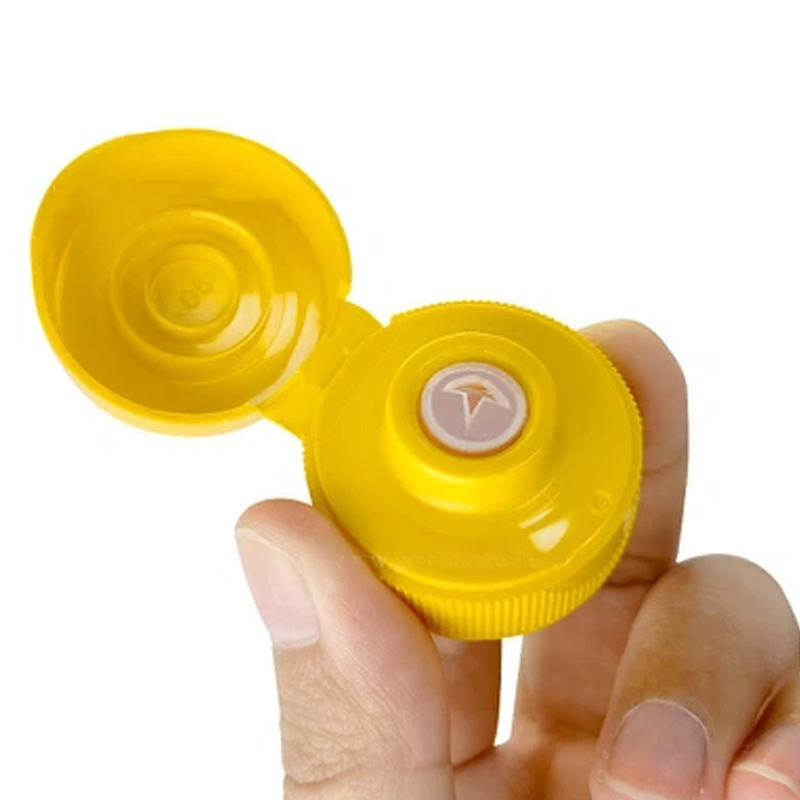
What makes a silicone cross-slit valve unique?
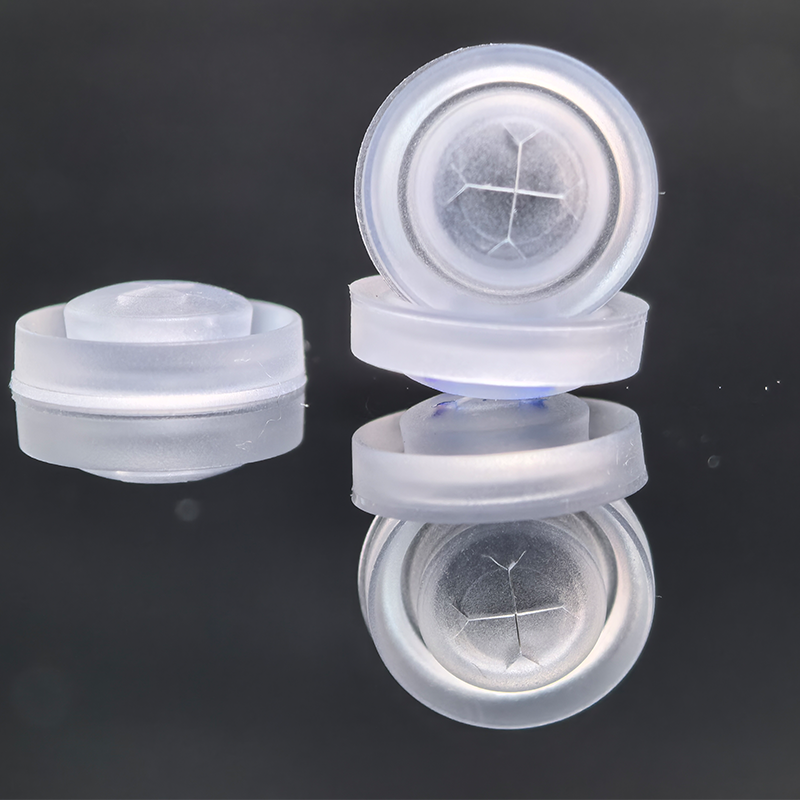
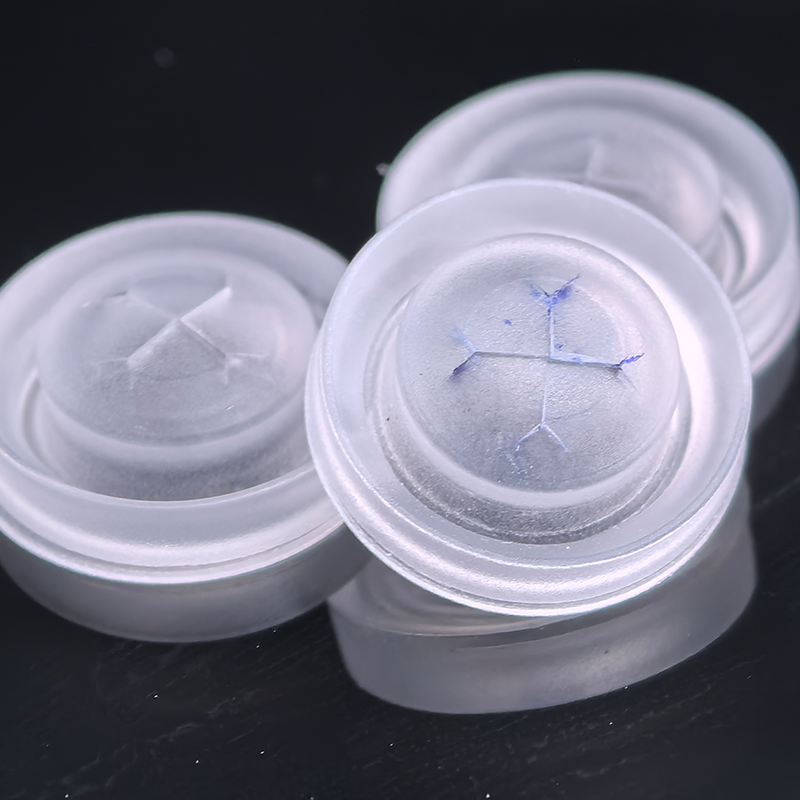
A silicone cross-slit valve is a precision-molded part, most often made from liquid silicone rubber (LSR). Its defining feature is a cross-shaped slit that remains normally closed, forming an effective seal against leakage and contamination. When a user applies pressure — by squeezing a bottle or tube — the slit opens predictably to allow controlled flow, then snaps closed when pressure is released.
Key technical differentiators:
- Normally-closed behavior: The cross pattern provides multidirectional sealing, preventing leakage, ingress of air, and contamination during storage and transport.
- Responsive dispensing: The slit geometry controls opening pressure and flow rate; well-designed slits provide smooth, drip-free dispensing.
- Material compatibility: High-quality cross-slit valves are molded from medical/food-grade LSR that meets FDA, LFGB, and NSF requirements for direct contact with food and cosmetics.
- Tight tolerances: Cross-slit valves demand tighter dimensional control than many simple one-way valves — typical wall thickness tolerances of ±0.03 mm and precise slit dimensions are common for premium manufacturers.
From a manufacturer’s point of view, these attributes make the cross-slit valve part both technically demanding and highly valuable: properly engineered, it reduces user complaints and improves product shelf life.
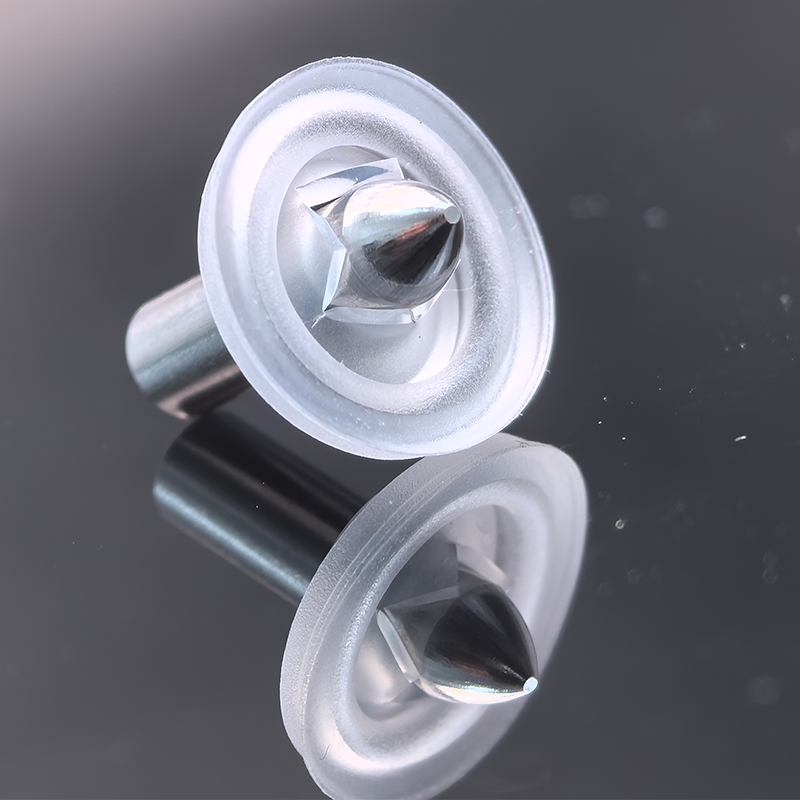
Industry applications — where cross-slit valves add value
Silicone cross-slit valves are versatile. Below are the primary markets where we see the most impact.
Food & Beverage Packaging
Condiments (ketchup, mustard), honey, syrups, and salad dressings benefit from leak-proof storage and controlled dispensing. Cross-slit valves minimize waste, reduce mess, and preserve freshness — critical differentiators in retail and food service.
Personal Care & Cosmetics
Shampoos, lotions, creams, serums and other viscous personal care products require hygienic, accurate dispensing. Cross-slit valves keep product exposure to a minimum, reducing oxidation and contamination while improving the consumer experience.
Sports, Travel & On-the-Go Products
Products carried in backpacks, gym bags, or luggage need robust leak protection. Cross-slit valves only open under pressure, making them ideal for travel bottles, squeezable water pods, and portable hygiene products.
Medical & Healthcare
When made from biocompatible, sterilizable LSR, cross-slit valves can be used for controlled-dose dispensing in medical packaging, supplements, and single-use applications where material compliance and consistent dosing are mandatory.
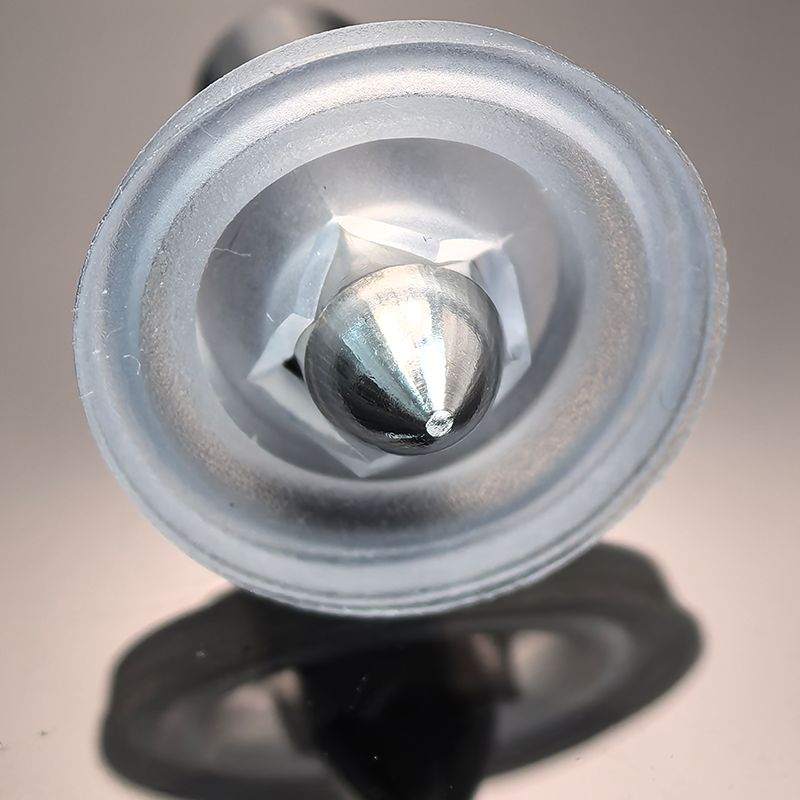
Advanced manufacturing: how premium cross-slit valves are made
Mass production of high-quality cross-slit valves is enabled by automated LSR injection molding and rigorous process control. At YJCPolymer we combine mature process engineering with end-to-end quality systems.
Core manufacturing steps:
- LSR Injection Molding: LSR offers excellent flow, chemical resistance, and thermal stability. Our silicone rubber injection molding lines provide consistent shot control and repeatability required for slit integrity.
- Automatic Slitting & Punching: After molding, automated slitting systems and precision punches ensure the cross slit is centered and the geometry is repeatable across tens of thousands of parts.
- AOI (Automatic Optical Inspection): High-resolution AOI measures slit width, alignment, and shape to detect out-of-tolerance parts before assembly.
- 24/7 Leak & Functional Testing: Continuous pressure-cycle leak testing validates that valves remain sealed under real-world conditions and throughout expected life cycles.
- Statistical Process Control (SPC): We monitor key process parameters (cavity temperature, injection pressure, cure time) and record SPC metrics to ensure ongoing part consistency.
Typical production capacity and capability: a single automated LSR line can produce as many as 150,000–200,000 pieces per day, and full-scale manufacturers can scale monthly output into the millions to satisfy large OEM demand.
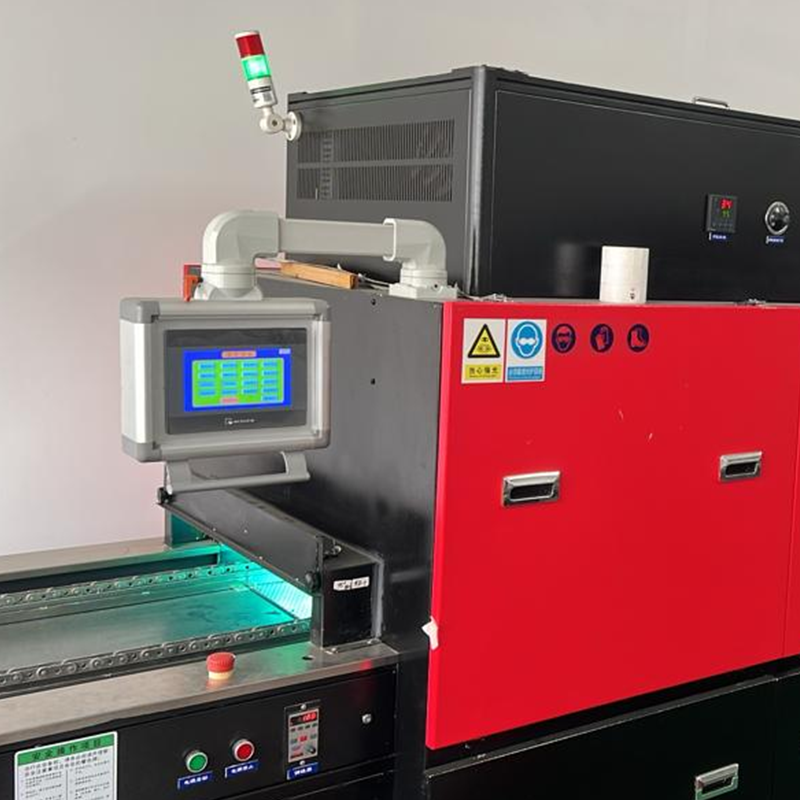
Material sourcing & compliance
Material selection is foundational. Quality cross-slit valves are produced from LSR grades sourced from reputable suppliers (we work with global materials partners) and validated for food and cosmetic contact. Common certifications and standards to request from suppliers include FDA, LFGB, NSF, plus industry-specific certificates such as ISO 13485 for medical applications and IATF 16949 for automotive or transport packaging requirements.
When you evaluate suppliers, ask for:
- Material Certificates of Analysis (CoA) and migration test reports
- Third-party compliance testing (food contact, biocompatibility)
- Traceability documentation for raw materials and production lots
Why choose YJCPolymer as your silicone dispensing valve manufacturer?
Speaking from our factory floor experience, here’s what separates a competent supplier from a dependable manufacturing partner:
1. End-to-end OEM service
We offer a complete OEM service — from mold design and mold fabrication to LSR injection molding, secondary slitting operations, assembly and final packaging. This one-stop approach reduces project handoffs, shortens lead times, and minimizes commercial risk.
2. Precision engineering and toolmaking
Our in-house tooling team designs molds that hold tight dimensional tolerances (±0.03 mm typical). Accurate tooling directly translates to reliable slit performance and lower scrap rates.
3. Automated inspection and robust QC
Automated optical inspection, pressure leak testing, and full documentation mean every batch shipped from our factory meets agreed specifications. We deliver complete test reports so customers can audit quality without being onsite.
4. Scalability and capacity
From low-volume prototyping to high-volume production runs (MOQ guidelines typically start around 50,000 pcs depending on complexity), our factory capacity can scale to meet the demands of contract manufacturers and major brands alike.
5. Customization expertise
We supply valves in common diameters (9.8 mm, 10.5 mm, 13 mm, 16.5 mm, 18 mm, 21 mm and custom sizes), and can tailor slit geometry, durometer (hardness), color, and integrated overmold features depending on product viscosity and dispensing profile.
Buying guide — what to verify when choosing a supplier
When sourcing a silicone cross-slit valve or negotiating an OEM service contract, use this checklist:
- Material compliance: Request CoAs for FDA/LFGB/NSF, migration tests and, if needed, biocompatibility data.
- Dimensional controls: Verify tooling tolerances (±0.03 mm for premium parts) and sampling reports.
- Functional testing: Confirm continuous leak testing, burst pressure, and dispenser compatibility tests.
- Quality systems & certifications: Ask for ISO 9001, ISO 13485 (medical), or IATF 16949 (automotive) certifications as relevant.
- Traceability & documentation: Ensure the factory will provide batch traceability and test certificates.
- MOQ & capacity: Align on minimum order quantities and the supplier’s ability to scale.
- Lead times & logistics: Confirm production lead times, sample schedules, and shipping/packaging requirements for your supply chain.
Final thoughts — partner with a manufacturer who understands packaging mechanics
The silicone cross-slit valve is small in size but large in consequence. Proper material selection, precise silicone rubber injection molding, and stringent quality control are critical to achieving leak-proof, hygienic, and consumer-friendly dispensing. As an experienced factory and OEM service provider, YJCPolymer brings the technical know-how, tooling capability, and manufacturing scale to turn concept into production reliably.
If you’re evaluating suppliers or ready to prototype a silicone dispensing valve for your product line, let’s talk. We can provide technical guidance on slit geometry and material selection, run samples from our mold shop, and outline an OEM service proposal that fits your production scale. Contact YJCPolymer today to request a quote, arrange a sample run, or discuss custom solutions tailored to your application — we’re here to be your manufacturing partner from design through delivery.
 English
  German
  Spanish
  Portuguese
  French
  Russian