
At the automotive tier-1 and aftermarket levels, plastics are everywhere: instrument panels, bumpers, under-hood housings, interior trim, connectors, ducts, and many structural-adjacent components. Choosing the right polymer balances weight, cost, manufacturability, and durability while meeting safety, chemical-resistance, and thermal requirements. This guide explains the most common plastics used in automotive parts—what they bring to the table—and how modern manufacturing at a qualified factory turns polymer recipes into reliable, high-quality automotive components.
Polypropylene (PP)
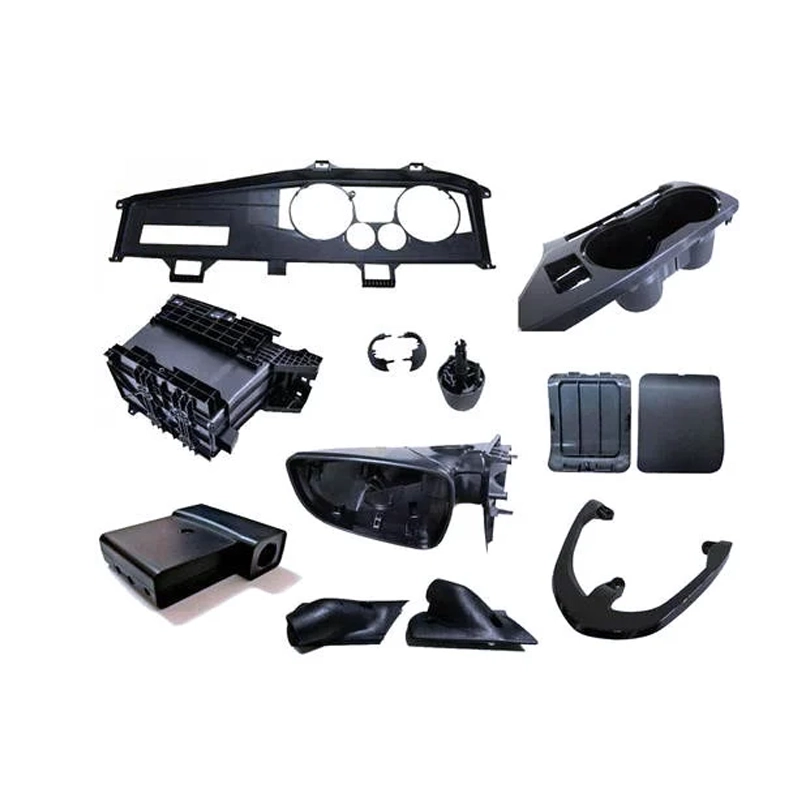
Polypropylene is one of the most widely used automotive plastics because of its low density, good chemical resistance, and excellent impact toughness — especially in modified grades.
Key uses
- Bumpers, fascias, grille components
- Interior trim panels, door modules, and consoles
- Battery covers and fluid reservoirs (in reinforced grades)
Why PP
- Lightweight and economical
- Good fatigue resistance for clips and living hinges
- Easily modified with talc or glass to increase stiffness; impact modifiers for low-temperature toughness
- Compatible with many painting and overmolding processes
Processing
- Injection molding for complex shapes and high volumes
- Thermoforming for large, shallow parts
Polyvinyl Chloride (PVC)
PVC is valued for its formability and surface finish. Flexible PVC is used in instrument panels and cable jacketing; rigid PVC appears in certain housings and interior trims where cost control is paramount.
Key uses
- Wiring looms and gaskets (flex PVC)
- Trim and decorative profiles
Why PVC
- Good weather and chemical resistance with proper plasticizer selection
- Cost effective for non-structural applications
- Can be formulated for flame retardance (important in some interior and electrical applications)
Processing
- Extrusion for profiles and hoses
- Injection and compression molding for small parts
Polycarbonate (PC)
Polycarbonate is chosen when impact strength and optical clarity matter. It’s also used in blends (PC/ABS) to marry toughness with processability and cost.
Key uses
- Headlamp lenses and light housings (with coatings)
- Instrument clusters and transparent covers
- Structural interior components requiring high toughness
Why PC
- Very high impact resistance and dimensional stability
- Good heat resistance for near-engine applications (with appropriate grades)
- Can be UV- and scratch-coated for exterior optics
Processing
- Injection molding with tight control to avoid stress-whitening
- Overmolding and bonding with adhesives or ultrasonic welding
Acrylonitrile Butadiene Styrene (ABS)
ABS is a mainstay for interior and exterior trim thanks to its balance of stiffness, surface finish, and paintability.
Key uses
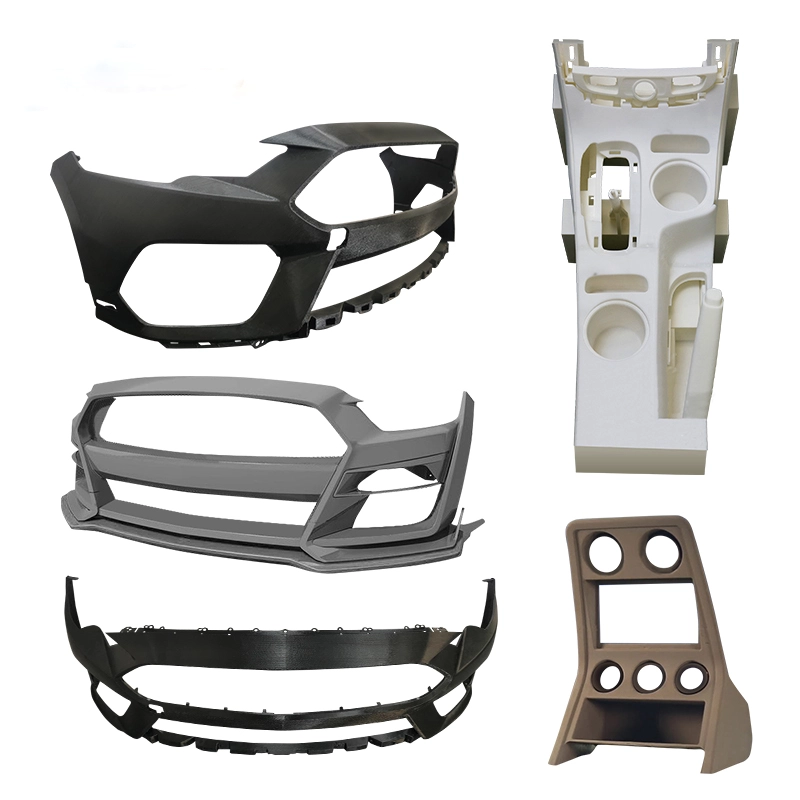
- Dashboards, door trims, console bezels
- Grilles, mirror housings, air intake parts (in engineered blends)
Why ABS
- Excellent surface finish and paint adhesion
- Good impact strength and dimensional control
- Easily color matched and plated for decorative finishes
Processing
- Injection molding with precise temperature control
- Co-molding with TPEs for soft-touch grips and seals
Other Important Automotive Polymers
While the outline focuses on the four core types above, modern vehicles also use:
- Nylon (PA, often glass-filled) for gears, fasteners, and under-hood components (excellent chemical and heat resistance).
- POM (acetal) for precision sliding parts and bushings.
- PBT and PET for electrical connectors and housings (good thermal and dimensional stability).
- TPE/TPU for soft-touch interfaces, seals, and overmolded grips.
- Long-fiber thermoplastics and composites where additional stiffness/weight tradeoffs are required.
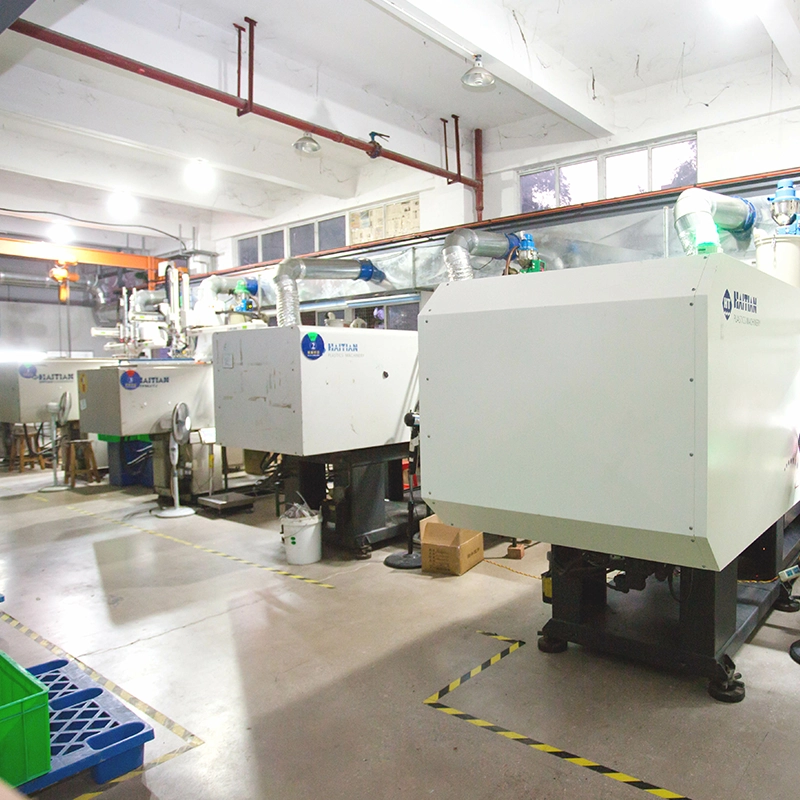
Manufacturing Process of Our Plastic Car Parts
At the factory level, producing reliable automotive parts requires an integrated chain: material selection → tooling → molding → secondary operations → testing → delivery. Here’s how we execute that chain at scale.
1. Material qualification and compounding
We begin by selecting OEM-approved resin grades and additives (glass fiber, flame retardants, impact modifiers). For custom projects we compound resins to achieve target mechanical and thermal properties and issue a Certificate of Analysis (CoA) for traceability.
2. Tooling and DFM
Our engineers perform DFM reviews to ensure wall thickness uniformity, proper draft angles, ribbing, and gate placement. Tooling is CNC-machined from hardened steel for long runs; soft aluminum tooling is used for rapid prototypes.
3. Injection molding & process control
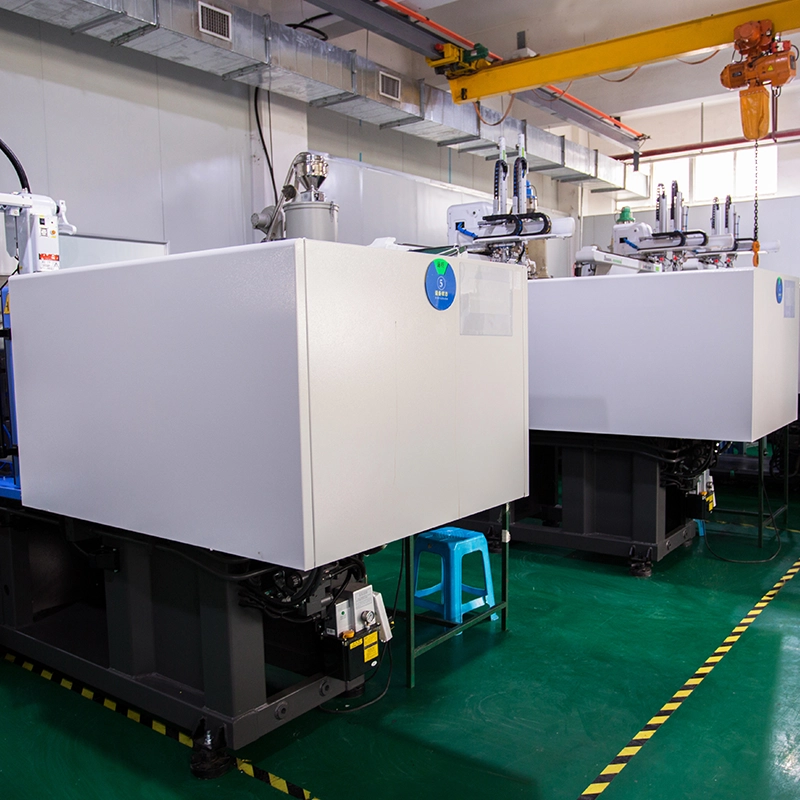
We run high-precision injection presses with closed-loop temperature and injection-pressure control to manage shrinkage and warpage. For large components we use multi-cavity tooling and hot-runner systems. Overmolding, insert molding (metal or clips), and two-shot molding (TPE + rigid plastic) are standard options.
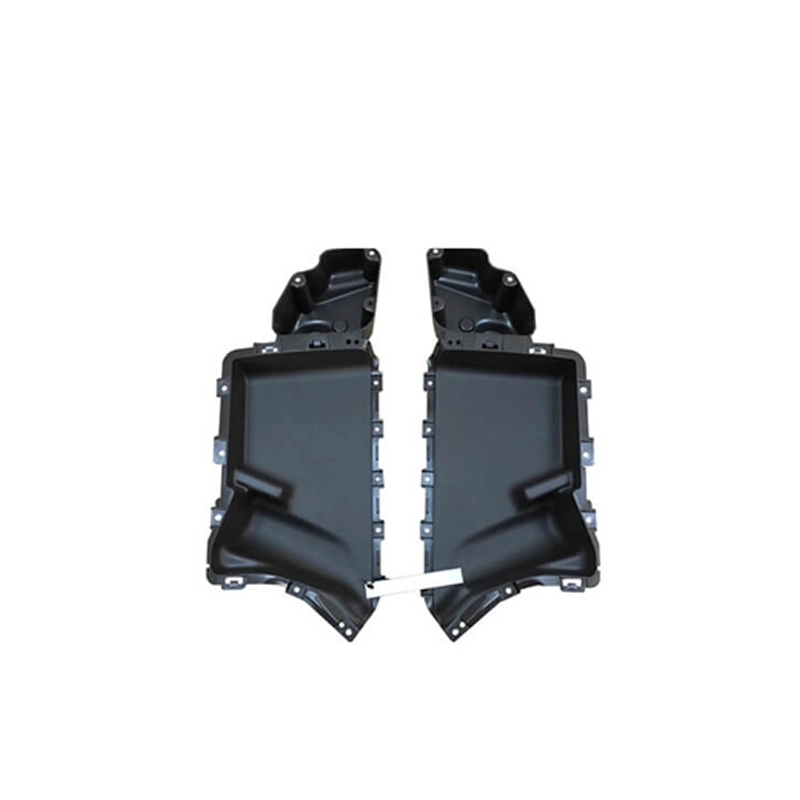
4. Secondary finishing
Post-mold operations include trimming, ultrasonic welding, painting, chrome plating, laser etching, and sonic welding. For exterior visible parts we apply primer and topcoat systems with automated spray booths and bake ovens.
5. Testing & validation
Every automotive part undergoes mechanical tests (tensile, impact, fatigue), thermal cycling, environmental exposure (UV, salt spray), and dimensional inspection (CMM). We produce PPAP or FAI documentation on demand.
6. Assembly & logistics
We assemble subcomponents, perform functional testing (fitment, sealing), and ship to OEM lines under specified packaging and kanban schedules.
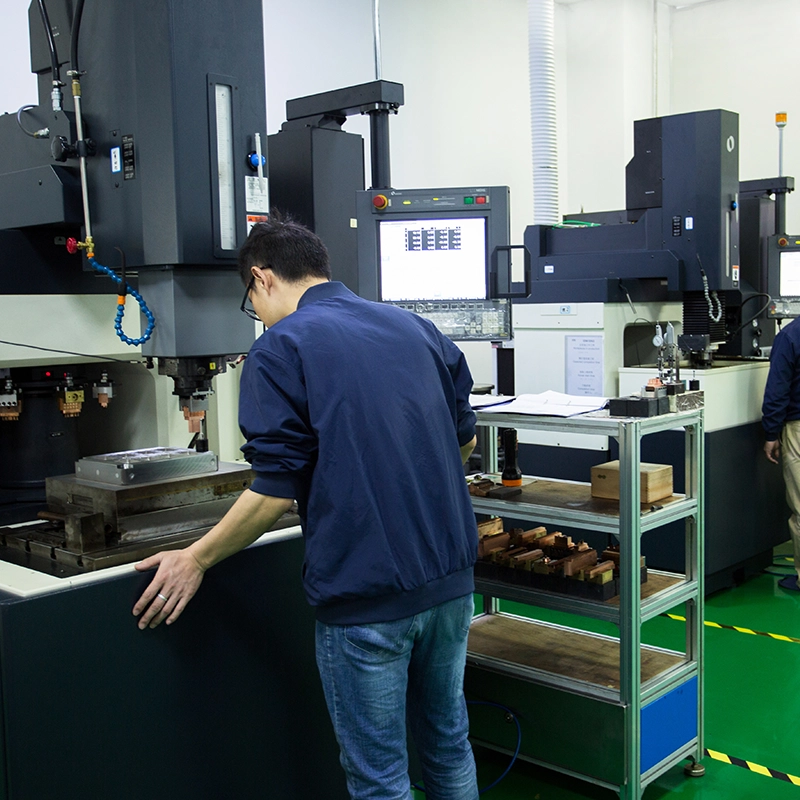
Learn About Car Plastic & More At YJCPolymer
If you need custom car parts developed—whether a dashboard bezel, a reinforced under-hood bracket, or a soft-touch TPE overmold—we provide end-to-end OEM service: material R&D, prototype tooling, high-volume injection molding, secondary finishing, and supplier coordination. Our factory meets automotive quality systems and can integrate into your supply chain as a trusted partner.
Conclusion
Automotive designers rely on a palette of plastics—PP, PVC, PC, ABS, nylon, PBT, and engineered composites—to hit targets for weight, cost, durability, aesthetics, and manufacturability. The right material choice, combined with rigorous tooling and process controls, delivers parts that meet safety standards and the high cycle demands of modern vehicles.
If you’re spec’ing automotive parts and want support from a manufacturer experienced in automotive polymers and production engineering, YJCPolymer can help. Contact our engineering team for a DFM review, material recommendation, prototype schedule, or a quotation for production tooling. We’ll work with you to select the optimal resin, design a manufacturable part, and scale reliably to your volume needs.
 English
  German
  Spanish
  Portuguese
  French
  Russian