
Choosing a safe, comfortable pacifier is one of the first decisions new parents make. But have you ever wondered what goes into a modern pacifier — the materials, the design choices, and how they’re manufactured? At YJCPolymer remains the same in Russian as it is a proper noun, likely a brand or company name. If you need a transliteration or additional context, please provide more details! we design and produce custom silicone baby pacifiers and offer full OEM service, from material selection to validated manufacturing and packaging. This guide explains what pacifiers are made from, why parents use them, how to choose one, the pros and cons of silicone, and the step-by-step manufacturing process used to make safe, high-quality pacifiers.
Why Use a соска" (pronounced: soska)?
Pacifiers (also called soothers, dummies, or binkies) soothe babies by activating the natural sucking reflex. Benefits include:
- Calming and pain relief during vaccinations, minor procedures, or sleep times.
- Potential reduction in sudden infant death syndrome (SIDS) risk when used at sleep time (per some pediatric guidelines).
- Helping babies learn self-soothing habits.
Pediatric recommendations vary — parents should talk to their pediatrician about timing and habitual use — but pacifiers remain a widely used, practical infant care tool.
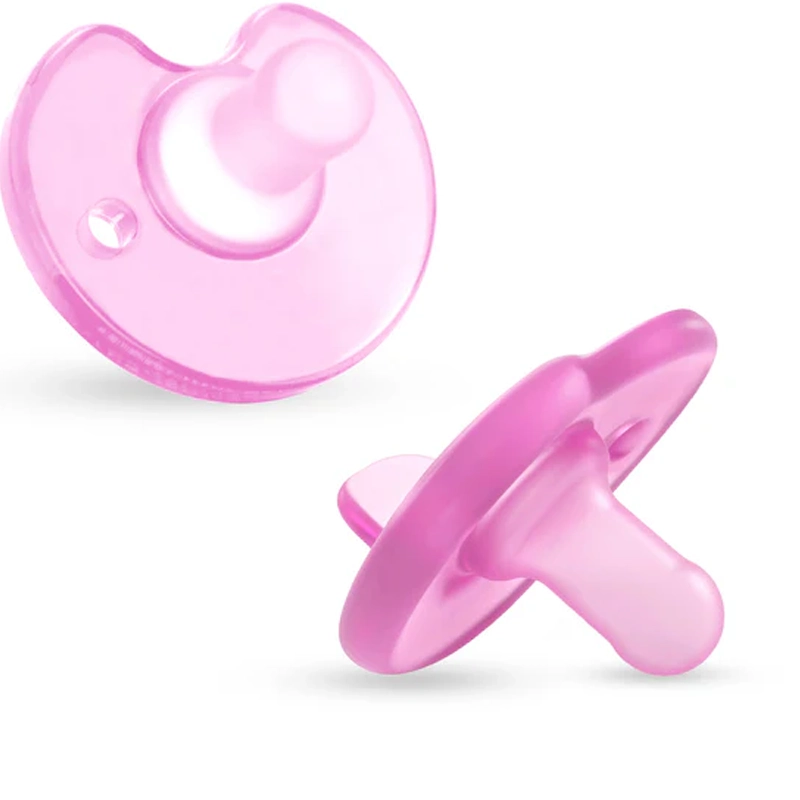
Tips for How to Choose a Pacifier
When selecting a pacifier, consider these practical factors:
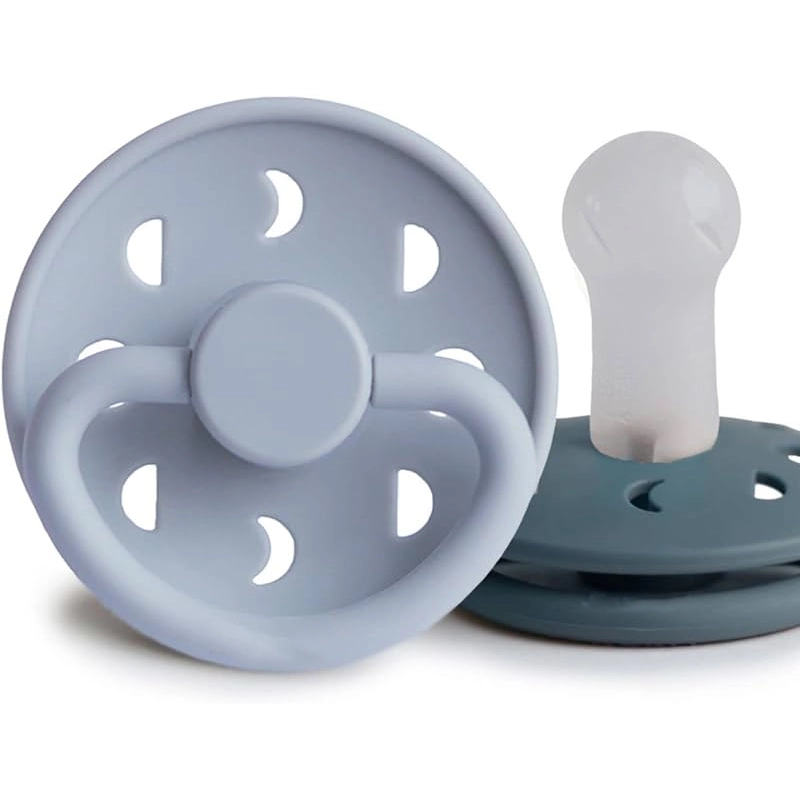
- Material: Silicone vs. natural rubber latex — silicone is inert and durable; latex is softer but wears faster and may cause allergies.
- Nipple shape: Orthodontic/flat, round, or symmetrical; orthodontic shapes are designed to support oral development.
- Shield design: Large enough to prevent swallowing, with ventilation holes to reduce skin irritation and allow airflow.
- Single-piece vs. multi-piece: One-piece silicone pacifiers reduce crevices and bacterial traps; multi-piece often allow handle/clip attachments.
- Safety standards: Look for FDA, EN 1400 (European standard for pacifiers), or other regional certifications and BPA-free labeling.
- Ease of cleaning: Dishwasher safe, boilable, or microwave sterilizer compatibility.
- Age sizing: Pacifiers are often sized by months (0–6, 6–18+); choose appropriate size for safety and comfort.
Are Silicone Pacifiers Safe: Pros and Cons
Silicone is the most common material used in modern pacifiers. Here’s an objective look:
Pros
- Inert and non-porous: Less likely to retain odors or support bacterial growth.
- Temperature tolerant: Withstands boiling and repeated sterilization cycles.
- Durable: Maintains shape and tensile strength, resisting tearing over typical use life.
- Hypoallergenic: No latex proteins that can trigger allergies.
- Easy to clean: Smooth surface is dishwasher or sterilizer friendly.
Cons
- Stiffer than latex: Some infants prefer the softer feel of natural rubber; silicone can feel firmer.
- Potential for sudden failure if bitten severely: Although rare in quality pacifiers, parents should inspect for cuts or damage.
- Environmental considerations: Silicone is not biodegradable (but more stable than many plastics); recycling options are limited.
Overall, medical-grade silicone is widely accepted for baby products due to its safety profile, provided parts are made and tested by reputable manufacturers.
The Manufacturing Process of Silicone Baby Pacifiers
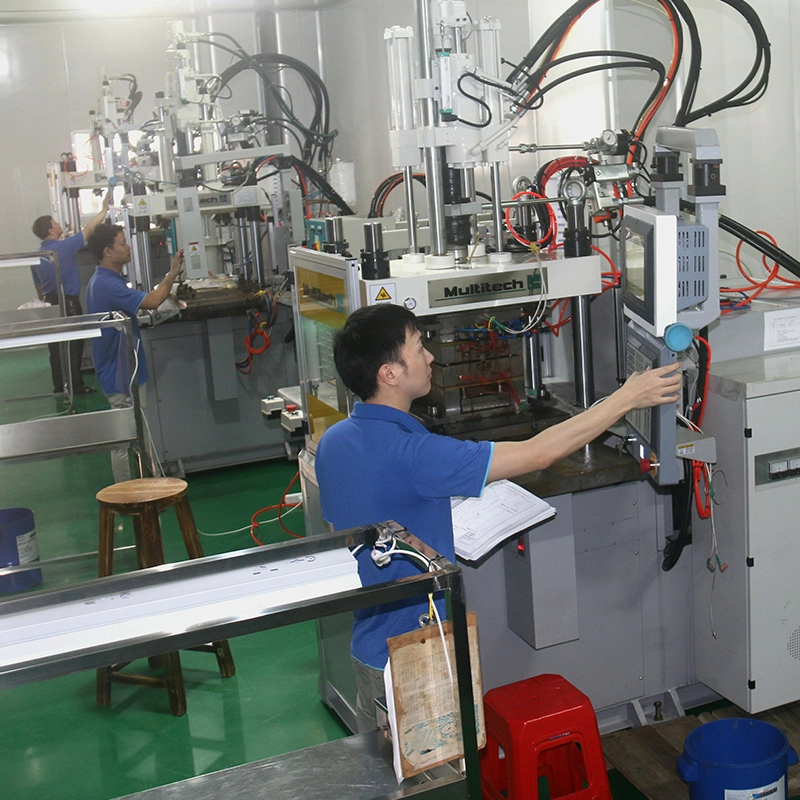
High-quality pacifier production is a regulated, multi-step process that balances infant safety and production efficiency. Below is a typical manufacturing flow used by experienced manufacturing partners like YJCPolymer.
1. Material Selection & Certification
- Choose medical-grade liquid silicone rubber (LSR) or platinum-cured HCR that meets FDA food-contact standards and regional regulations.
- Obtain Certificates of Analysis (CoA) and perform incoming QC on every batch of polymer for viscosity, cure schedule, and contaminant levels.
2. Design & Tooling (DFM)
- Finalize nipple geometry (orthodontic vs. round), shield dimensions, and ventilation hole placement.
- Design tooling for LSR injection molds and any rigid component molds (PP/ABS shield or handle). Ensure draft, venting, and runner systems are optimized for thin-wall features and slit profiles.
- Rapid prototypes (3D printed masters or soft tooling) validate ergonomics before production tooling is finalized.
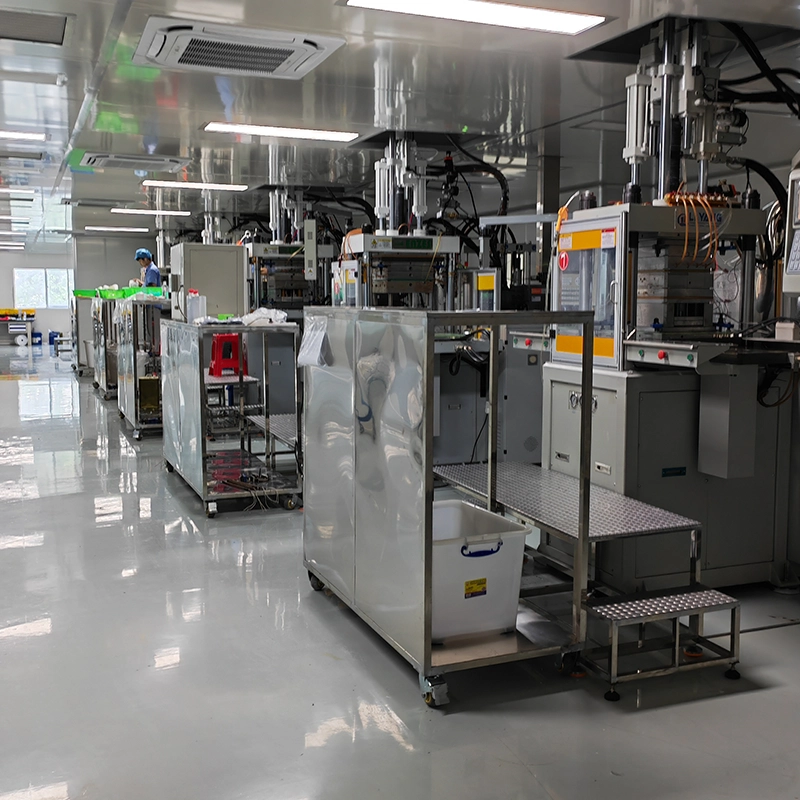
3. Silicone Molding (LSR Injection or Compression)
- LSR Injection Molding: Metered two-part LSR fed into precision injection machines; molds are kept at controlled temps for consistent curing. This method offers the best repeatability for nipple geometry and wall thickness.
- Compression/Transfer Molding: Sometimes used for simpler designs or small runs. Less repeatable than LSR injection but lower capital cost for early development.
4. Rigid Component Molding
- Shields and handles are typically injection molded from food-grade polypropylene (PP) or ABS. These components must be free of sharp edges and designed to avoid pinch points.
5. Assembly & Overmolding (if applicable)
- Overmolding binds the silicone nipple to a rigid retainer in a single molding step, creating a one-piece feel and eliminating adhesive joints.
- For multi-piece assemblies, the nipple is press-fit or adhesive-bonded to the shield; ultrasonic welding or snap-fit features ensure robust attachment.
6. Post-Cure & Finishing
- Silicone parts undergo controlled post-cure cycles to stabilize mechanical properties and minimize extractables.
- Flash trimming and visual inspection remove any mold flash. Automated trimming and AOI (automated optical inspection) detect defects on high-volume lines.
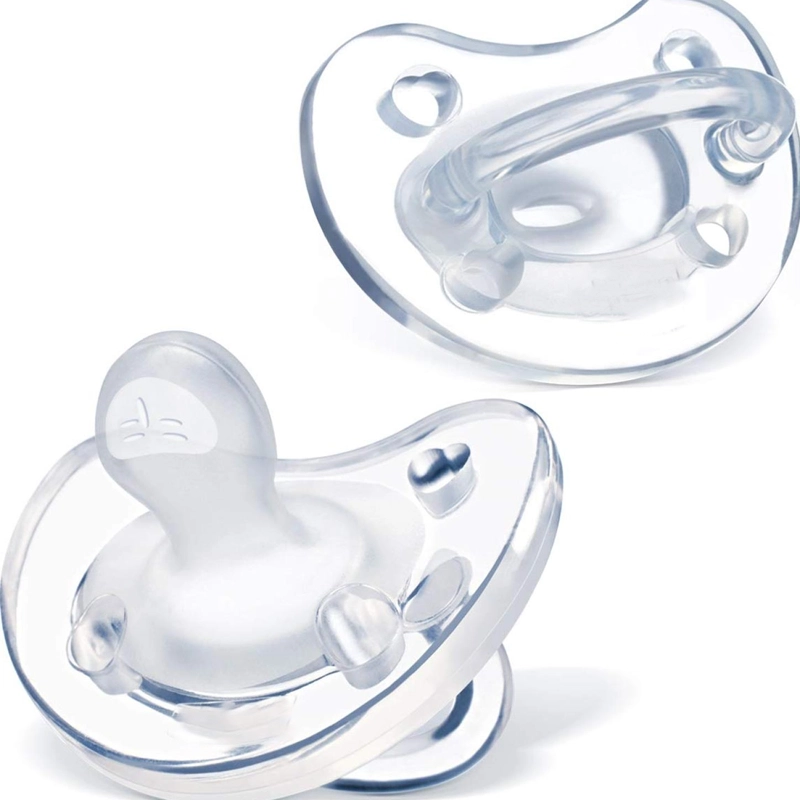
7. Testing & Quality Control
Comprehensive testing ensures safety and regulatory compliance:
- Tensile and tear tests on nipples to verify strength and elongation.
- Material & extractables testing for chemical safety.
- Bacterial/bioburden and cytotoxicity tests (per ISO 10993 where applicable).
- Mechanical fatigue tests simulating repeated sucking cycles.
- Small parts and retention tests for shield integrity per consumer safety standards.
- Traceability and lot testing to record manufacturing parameters and material batches.
8. Sterilization, Packaging & Labeling
- Parts are sterilized (if required) via autoclave, gamma, or ethylene oxide depending on packaging and customer spec.
- Pacifiers are packaged in sterile or hygienic blister packs with age labels, instructions, and safety warnings. Batch codes and traceability labels support recalls or audits.
9. Regulatory Documentation & OEM Service
- YJCPolymer can provide full technical dossiers, CoAs, test reports, and labeling support for OEM customers seeking private-label or contract manufacturing.
Заключение
Silicone baby pacifiers — especially when made from medical-grade LSR using validated manufacturing processes — are a safe, durable, and hygienic option for infant soothing. Key differentiators are material certification, sound design (shield size, ventilation, orthodontic nipple shape), and rigorous manufacturing controls from molding through final inspection.
At YJCPolymer we offer turnkey OEM service for custom silicone baby pacifiers, including DFM, tooling, certified LSR supply, validated production, and packaging. If you’re developing a private-label pacifier or evaluating suppliers for high-volume child-care products, send us your concept, regulatory targets, and projected volumes. Our engineering and regulatory teams will produce a manufacturable plan, prototype samples, and a compliance roadmap so you can bring safe baby-care products to market with confidence.
 Russian
  English
  German
  Spanish
  Portuguese
  French