
Starting a mold project is a major step — it locks in tooling cost, lead time, and the rules your product must live by for years. At YJCPolymer remains the same in Russian as it is a proper noun, likely a brand or company name. If you need a transliteration or additional context, please provide more details!, we advise product teams to resolve seven core questions up front so you optimize cost, manufacturability, and time-to-market. Below is a practical checklist every engineering, procurement, or product-manager team should use before committing to tooling.
1. What Is the Purpose of Your Product?
Clarify the product’s function, target users, environment, and expected lifecycle. Ask:
- Is this a disposable, short-run product (samples, pilot), or a long-life production SKU?
- Will the part be load-bearing, cosmetic, medical-contact, food-contact, or exposed to chemicals/UV/heat?
- What certifications or standards must it meet (UL, FDA, RoHS, IATF)?
Purpose drives material selection, tolerance bands, surface finish requirements, and whether you need stainless inserts, overmolding, or secondary treatments.
2. What Material Is Best for Your Part?
Material choice affects tooling, cycle time, cost, and performance. Common options and implications:
- PP / PE / ABS / PC / PA (Nylon): plastics with differing strength, heat, and finish properties.
- TPE / TPU: for soft-touch overmolds.
- LSR (Liquid Silicone): for high-temperature, flexible, hygienic parts.
- Metals / Die-cast: for structural or conductive parts.
Questions to validate with suppliers: recommended resin grade, glass- or mineral-fill effects (shrinkage, wear), colorants, flame retardants, and material lead times. Ask for CoAs and migration/chemical tests if applicable.
3. What Are Your Production Needs?
Be explicit about volumes, ramp plan, and packaging. Tooling strategy depends on production profile:
- Prototype / short run: soft or aluminum tooling reduces lead time and cost but limits cavity count and lifetime.
- High volume: hardened steel tool with hot-runner, multi-cavity layout, and automated molding pays off.
- Scaling plan: how will supplier support seasonal spikes or multiple SKUs?
Also clarify expected cycle time, takt time for assembly, and acceptable scrap rate — these inform press size and automation choices.
4. How Complex Is Your Design?
Complex geometry increases tooling cost and risk. Evaluate:
- Undercuts, thin walls, deep ribs, internal features, and tight tolerances.
- Need for inserts, internal threads, living hinges, or multi-material construction.
Apply DFM early: add draft angles, uniform wall thickness, radiused corners, and accessible gate locations. Ask the molder for mold-flow simulation and feasibility feedback before finalizing the CAD.
5. What Is Your Budget and Timeline?
Mold tooling is an investment with predictable tiers:
- Soft tool / prototype tooling: low cost, short lead-time (weeks), limited life.
- Aluminum tooling: medium cost, medium life, good for medium runs.
- Hardened steel tooling: high upfront cost, long life, multi-cavity for mass production.
Factor in iterations: each tooling change costs time and money. Negotiate prototype blocks and FAI milestones; build contingency for unexpected mold corrections and surface polishing.
6. What Should You Look for in a Molding Partner?
Choose a factory that aligns with your product and supply-chain needs. Key capabilities to evaluate:
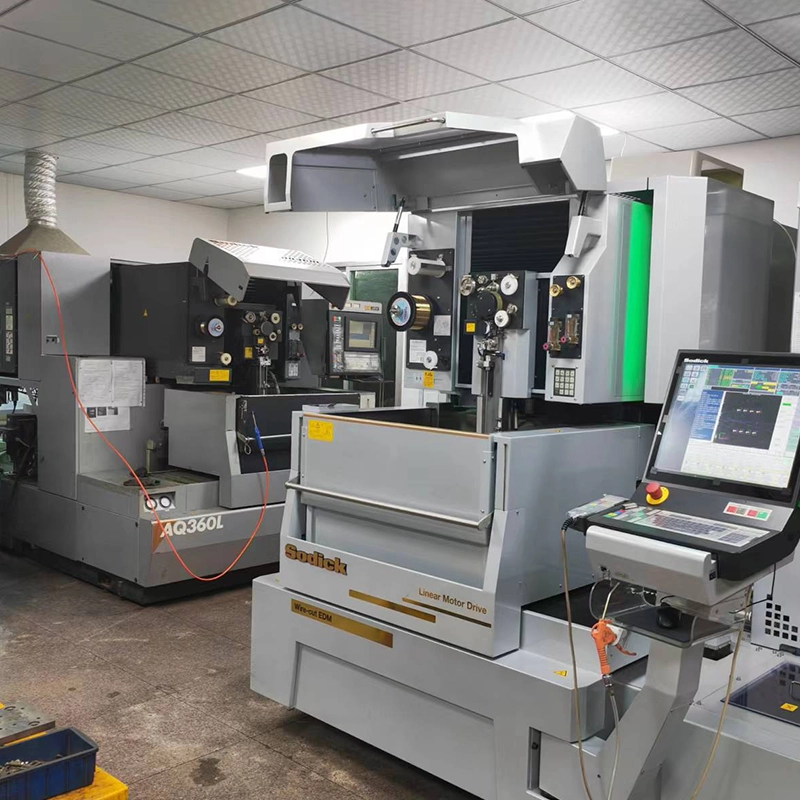
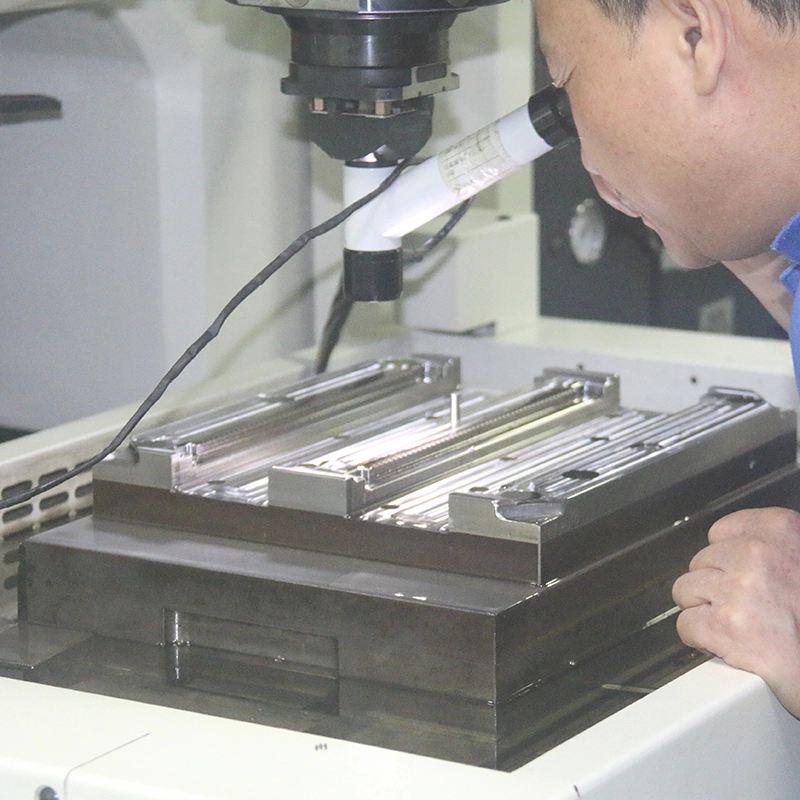
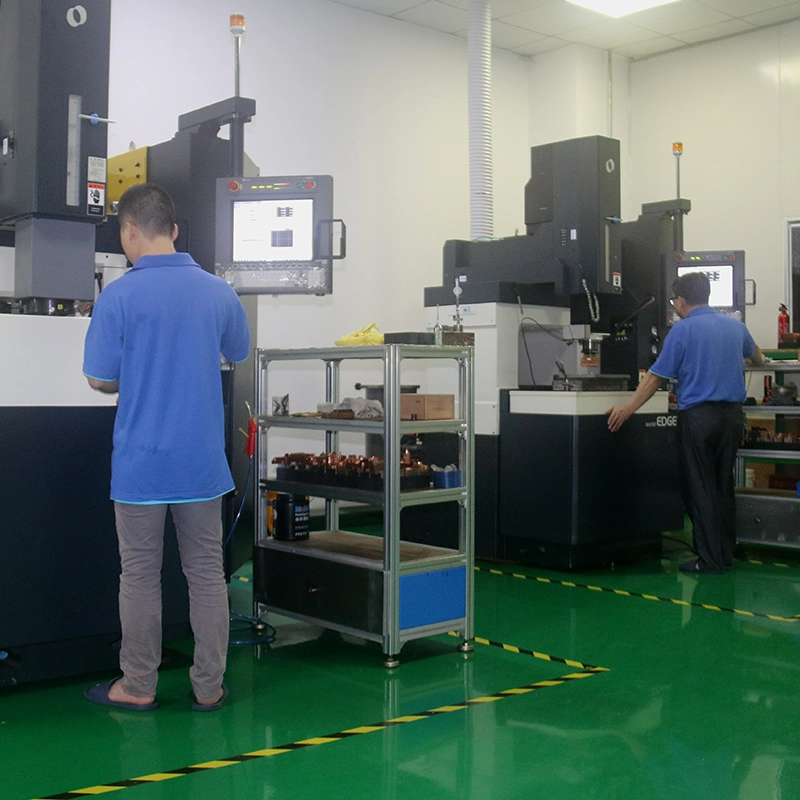
- Manufacturing footprint: in-house tool & die, CNC, EDM, polishing, and mold maintenance.
- Process range: injection molding, LSR molding, compression, overmolding, insert molding, and secondary finishing (painting, plating, ultrasonic welding).
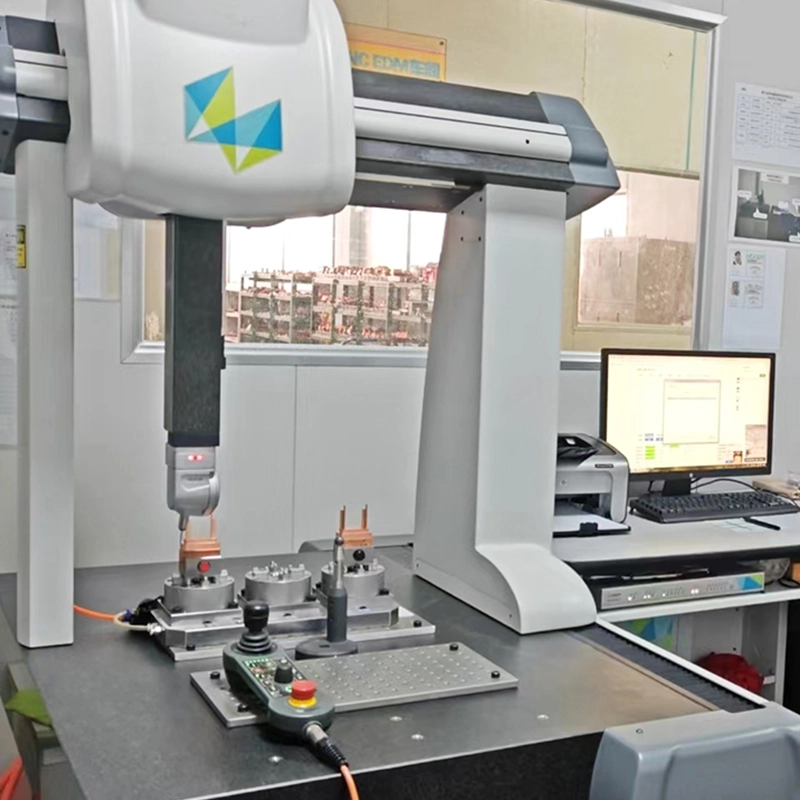
- Quality systems: ISO 9001/IATF as relevant, SPC, FAI/PPAP, Cpk reporting, and CMM inspection capability.
- Testing & validation: mechanical, thermal, chemical, and regulatory testing support.
- Supply-chain services: warehousing, kitting, Kanban, and packaging options.
- Communication & transparency: DFM input, regular status updates, digital approvals, and change control.
- References & samples: request case studies and first-article samples for similar parts.
A one-stop manufacturer with OEM service experience shortens time-to-market and reduces coordination overhead.
7. Are There Sustainability or Future-Proofing Considerations?
Sustainability is increasingly important to brands and buyers. Ask:
- Can we use recycled or bio-based resins without performance loss?
- What is the part’s end-of-life path — recyclability, take-back, or repurposing?
- Can the design accommodate future product variants (modularity, common tooling family)?
- Are there opportunities to reduce cycle time, energy use, or material waste through hot-runner systems or optimized gating?
Factoring these considerations early lowers retrofit costs and supports regulatory/brand commitments.
Related Manufacturing Processes & Practical Tips
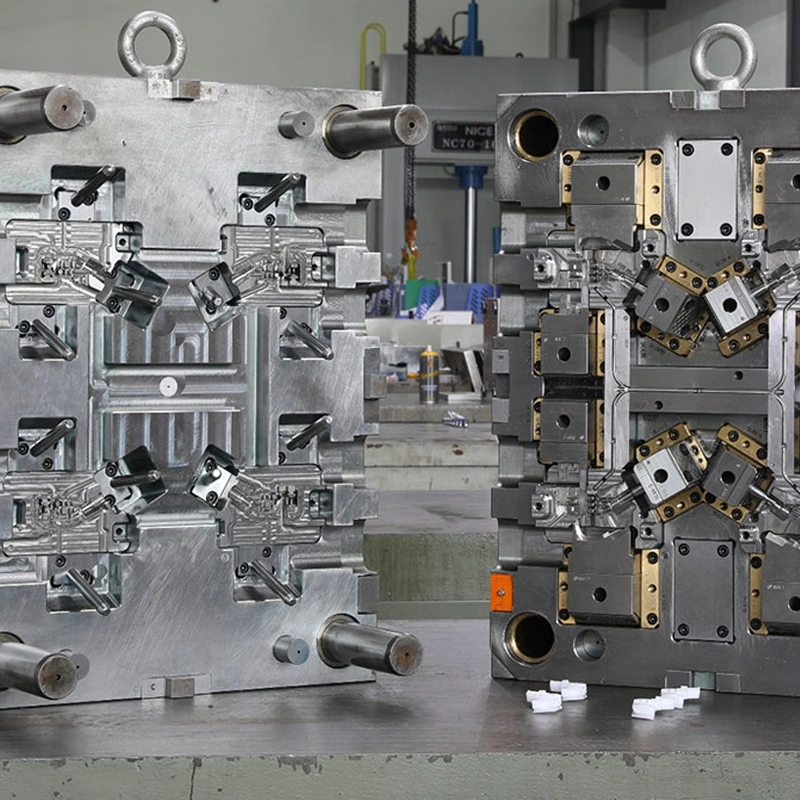
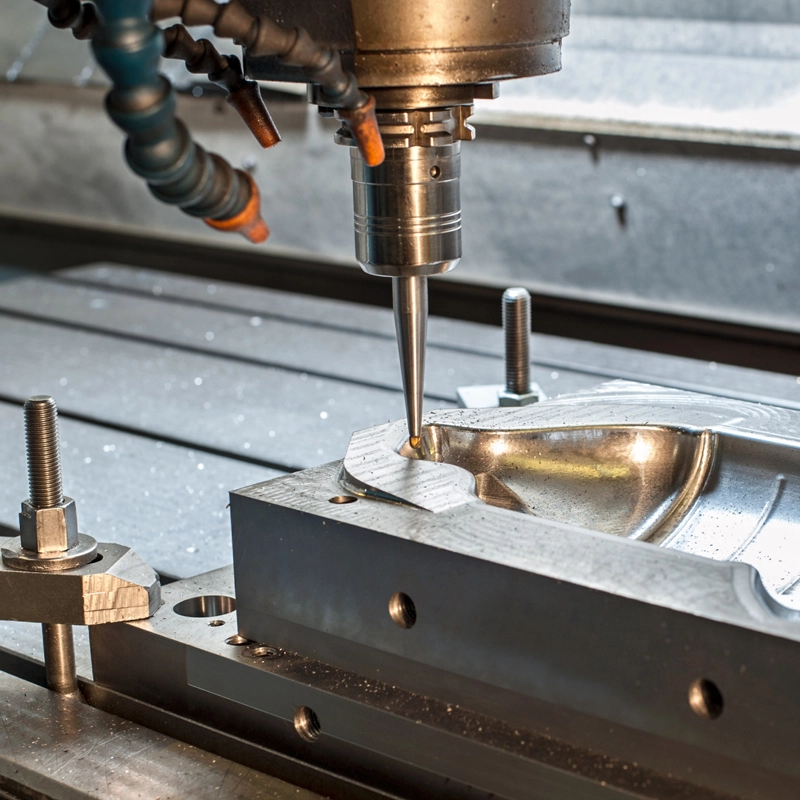
- Tooling: anticipate EDM, CNC finish, polishing, and mold texturing. Insist on mold trials and trial-shot reports.
- Molding: optimize gate type (cold vs hot runner), venting, cooling channels, and ejection strategy to control warpage and cycle time.
- Овермолдинг & Inserts: plan for tolerances that allow assembly without rework.
- Post-process: painting, pad printing, laser marking, ultrasonic welding, or plating should be specified pre-tooling.
- Testing: include sample cycles, tolerance maps, and environmental testing in the FAI.
Conclusion & Next Steps
Starting a mold project without answers to these seven questions risks cost overruns, missed launch dates, and compromised quality. Use this checklist to brief prospective manufacturers and suppliers, and demand a written DFM review outlining risks, cost tiers, and milestones.
At YJCPolymer, our engineering and tooling teams provide hands-on DFM, prototype tooling, hardened-steel tool builds, and scalable manufacturing — backed by ISO-grade quality systems and OEM service. We help customers balance cost and performance with clear timelines and robust testing plans.
Ready to start your mold project? Contact YJCPolymer for a free DFM review, prototype quote, and tooling timeline. Send your CAD files and target volumes and we’ll propose the optimal tooling strategy and production plan.
 Russian
  English
  German
  Spanish
  Portuguese
  French