
At The term "YJCPolymer" does not have a specific translation as it appears to be a brand name or a proper noun. Proper nouns typically remain the same in translation. If you need further assistance or context regarding this term, please provide additional information!, a high-quality manufacturer and factory specializing in pet feeding solutions, we help brands and retailers choose the right materials for dog bowls that balance safety, durability, cost, and manufacturability. Below is a practical, evidence-based guide to the most common dog-bowl materials, their pros and cons, and why—in many cases—we lean toward silicone and plastic for specific product lines. If you’re evaluating options for a private-label launch or need OEM capabilities, our custom service and OEM service can tailor bowls to your specifications.
The 5 Best Dog Bowl Materials
Choosing the right material depends on your dog’s lifestyle, user preferences, and production considerations. Here are five widely used materials and what to expect from each.
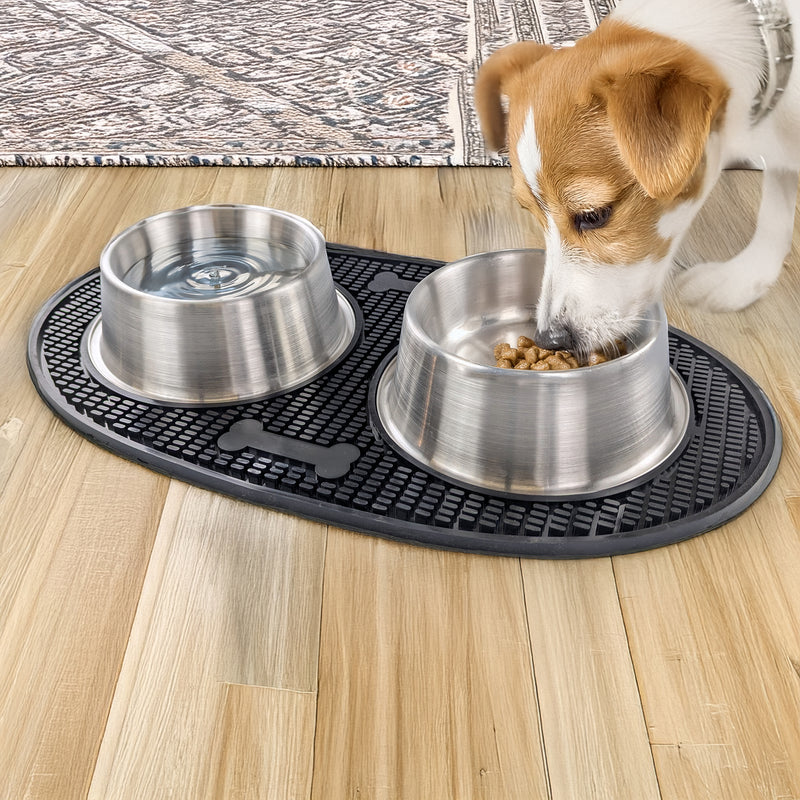
1. Stainless Steel
Stainless steel is the industry go-to for many pet owners and professional environments.
Pros:
-
Extremely durable and corrosion-resistant
-
Non-porous and hygienic; resists bacterial growth
-
Dishwasher-safe and low maintenance
Cons:
-
Can be noisy and slide on floors without feet or rubber base
-
Surface cosmetic scratches over time
-
Heavier and less design-flexible than some alternatives
Best use: Kennels, shelters, and owners who prioritize hygiene and longevity.
2. Silicone
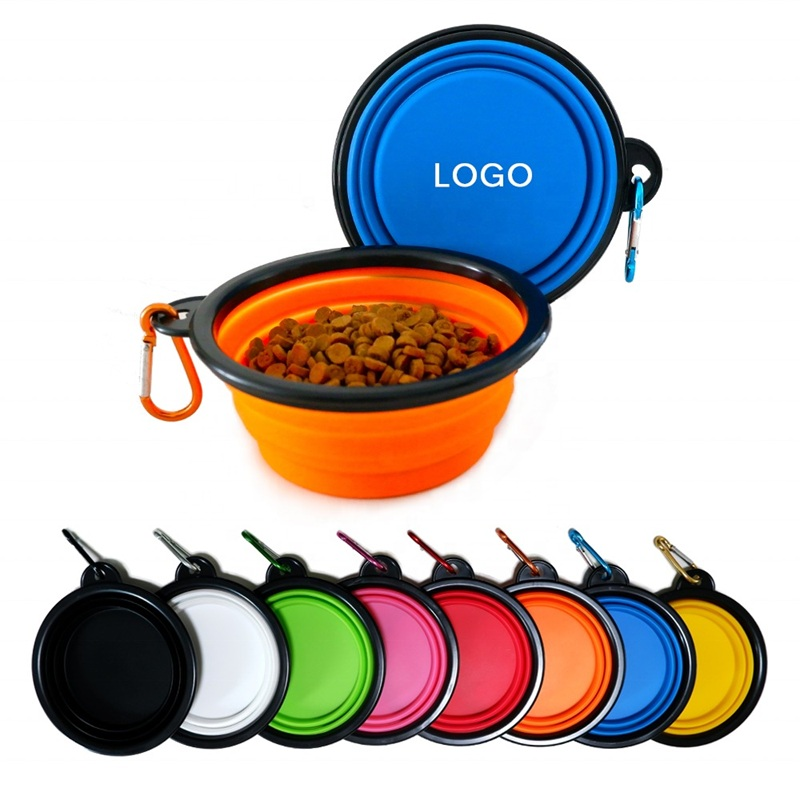
Silicone bowls are rapidly gaining popularity thanks to their flexibility and convenience.
Pros:
-
Flexible and collapsible — great for travel and small storage spaces
-
Soft edges are gentle on pet muzzles and reduce noise
-
Heat-resistant, BPA-free grades are safe for food contact
-
Easy to clean and often dishwasher-safe
Cons:
-
Lower scratch resistance compared with stainless steel
-
Some lower-grade silicones can trap odors if not properly formulated
Best use: Travel bowls, portable feeding, and design-forward consumer products. At YJCPolymer, our silicone formulations meet food-contact standards and can be manufactured with custom colors, logos, and packaging through our OEM service.
3. Glass
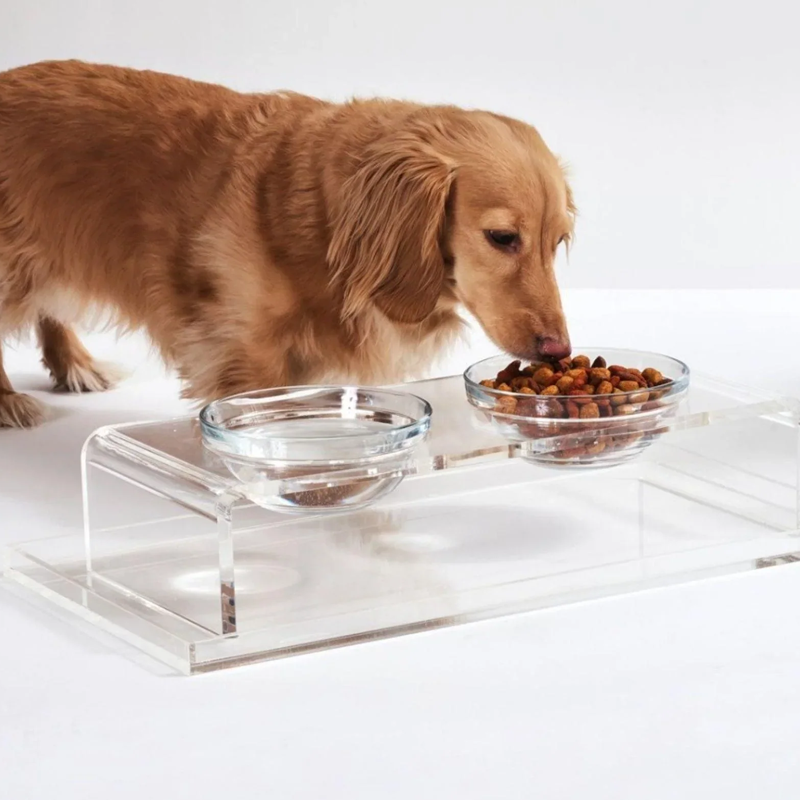
Glass bowls have niche appeal for homeowners seeking a clean aesthetic.
Pros:
-
Non-porous and very hygienic
-
Resistant to scratching and chemical staining
-
Heavy enough to resist tipping
Cons:
-
Breakable if dropped — safety risk for pets and owners
-
Heavier and less practical for travel
Best use: Static home bowls where breakage risk is low and aesthetics matter.
4. Plastic
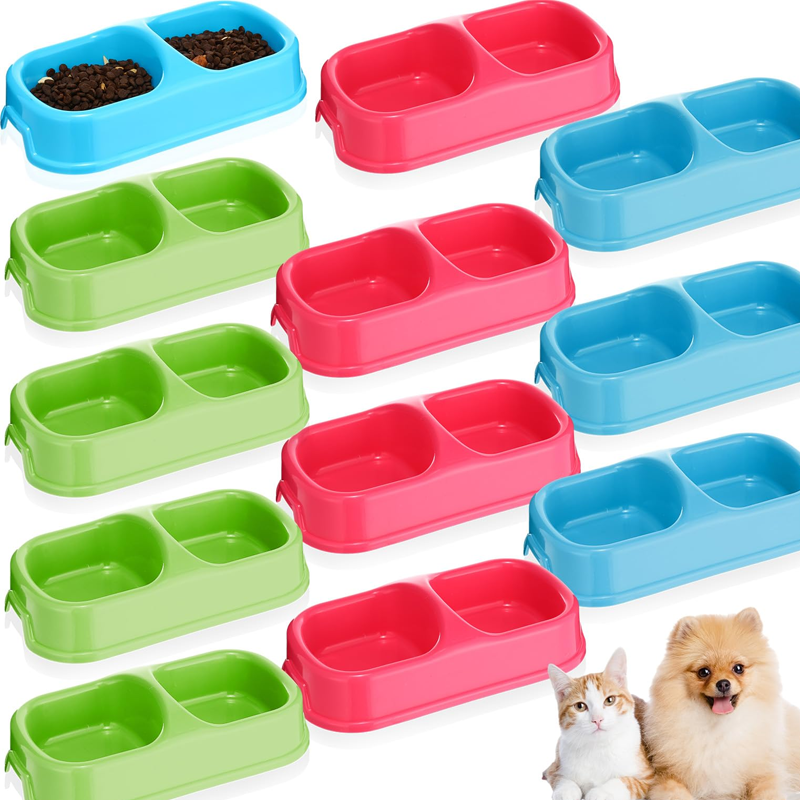
Modern, food-grade plastics remain a popular and cost-effective choice.
Pros:
-
Lightweight, inexpensive, and highly moldable for varied designs
-
Can be made with integrated non-slip features and measuring marks
-
Excellent for budget lines and mass-market retail
Cons:
-
Lower-grade plastics can scratch and harbor bacteria in gouges
-
Perception issues: some consumers avoid plastic due to sustainability concerns
Best use: Mass-market bowls, colorful designs, and integrated feeding systems where cost and customization matter. With proper selection (BPA-free, high-quality polymers), plastic performs very well.
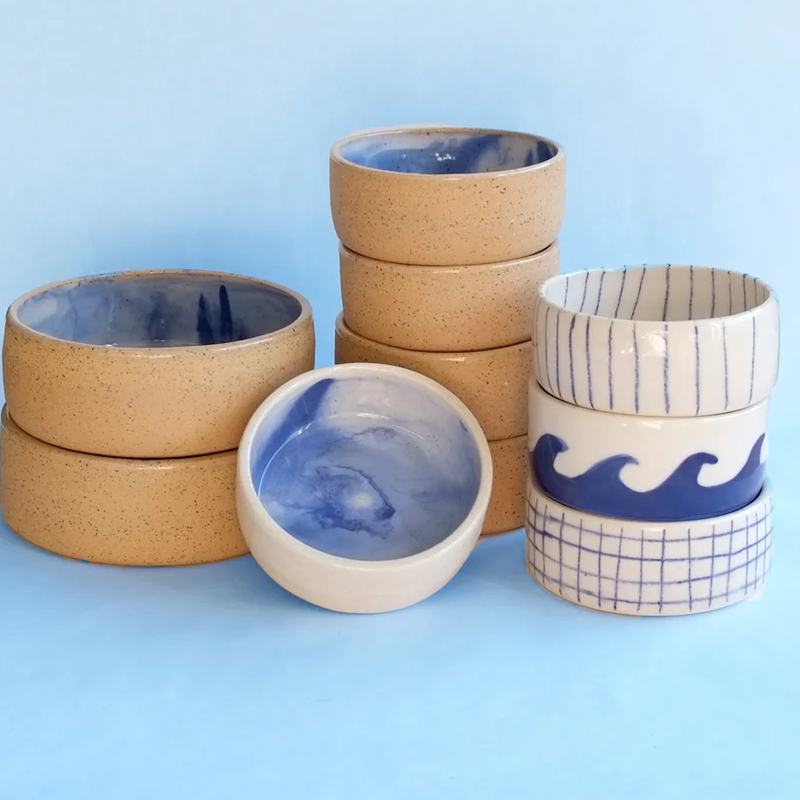
5. Ceramic
Ceramic bowls blend function and home décor.
Pros:
-
Attractive finishes and stable weight
-
Non-porous when glazed; hygienic and easy to clean
Cons:
-
Can chip or shatter if dropped
-
Heavier and less suitable for travel or active pets
Best use: Stylish home bowls with a premium look.
Custom Options From YJCPolymer
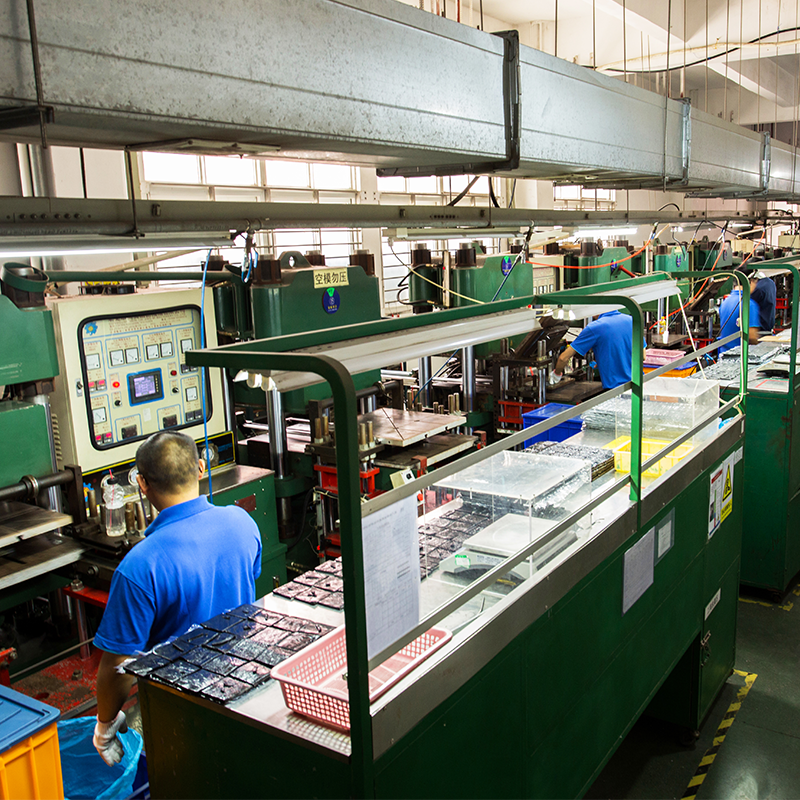
As a full-service manufacturer and supplier, YJCPolymer offers comprehensive custom service and OEM service options:
-
Material selection guidance (food-grade silicone, high-quality polymers, stainless steel grades)
-
Custom colors, textures, and branding (pad printing, embossing, or molded logos)
-
Integrated features: non-slip bases, measured volumes, removable liners, and travel clips
-
Private-label packaging and kitting for retail-ready SKUs
-
Low- to high-volume production with consistent quality control and testing
We help you match product performance with market positioning—whether you want a premium silicone collapsible bowl, a budget plastic feeder, or a hybrid solution.
Final Thoughts
When choosing dog bowl materials, there’s no universal “best” — only the right fit for your customers’ needs. For hygiene and durability, stainless steel and ceramic excel. For portability, flexibility, and modern convenience, silicone is outstanding. For affordability, design flexibility, and mass-market appeal, high-quality plastic remains a top choice.
Overall, YJCPolymer tends to favor silicone and high-quality plastic for many consumer product lines because they offer exceptional design freedom, competitive cost structures, and strong user benefits:
-
Silicone for travel-friendly, collapsible designs and soft-muzzle comfort.
-
High-quality plastic for cost-effective, colorful, and feature-rich bowls that scale rapidly in production.
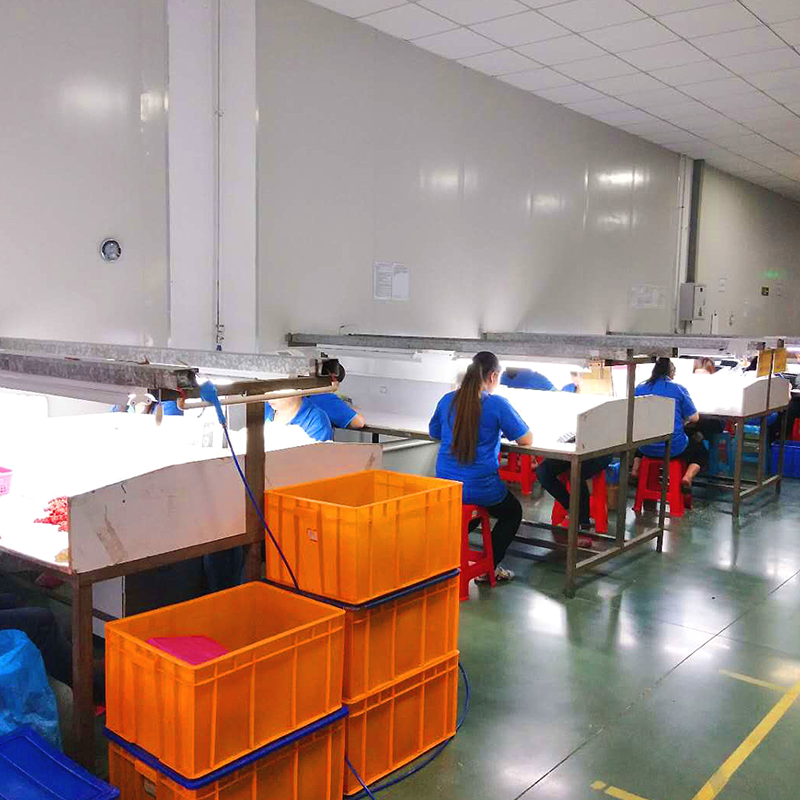
If you’re launching a new dog-bowl line or need a reliable partner to optimize material, tooling, and packaging, YJCPolymer can deliver end-to-end solutions through our one-stop manufacturing service. We combine material science, tooling expertise, and rigorous QC to produce high-quality pet products at scale.
Ready to prototype a silicone or plastic dog bowl? Contact YJCPolymer today for a materials consultation, sample request, or OEM quote. We’ll help you pick the best material, design for manufacturability, and bring a market-ready product to life.
 Portuguese
  English
  German
  Spanish
  French
  Russian