
At The term "YJCPolymer" does not have a specific translation as it appears to be a brand name or a proper noun. Proper nouns typically remain the same in translation. If you need further assistance or context regarding this term, please provide additional information!, we design and build robust die casting molds that deliver consistent, high-quality castings for automotive, aerospace, consumer electronics, and industrial markets. This guide walks procurement managers, tooling engineers, and product designers through the components, mold types, design steps, and best practices that turn a concept into a manufacturable, reliable die casting tool.
Components of a Die Casting Mold
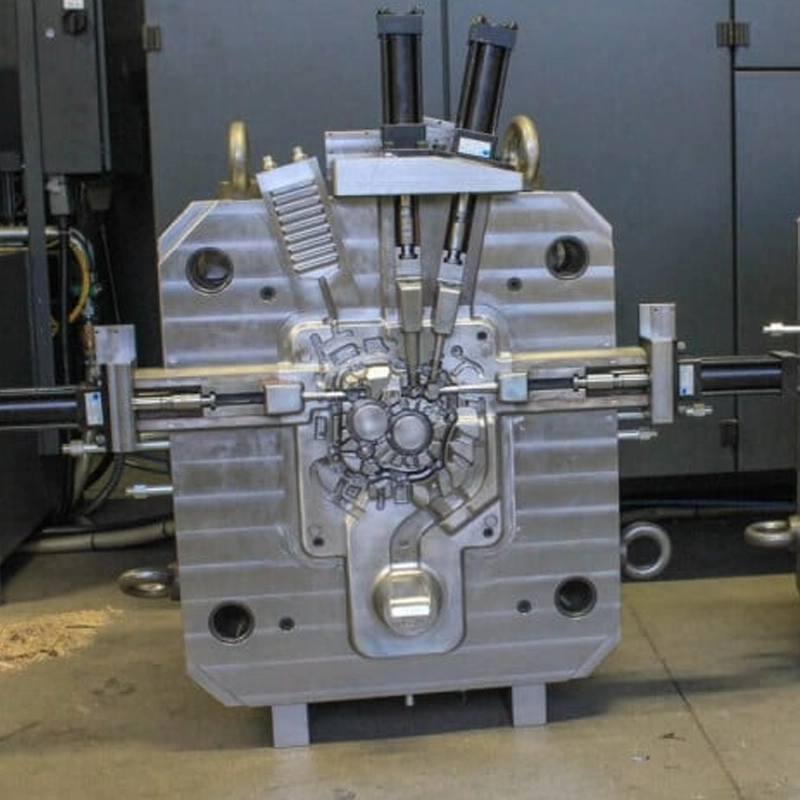
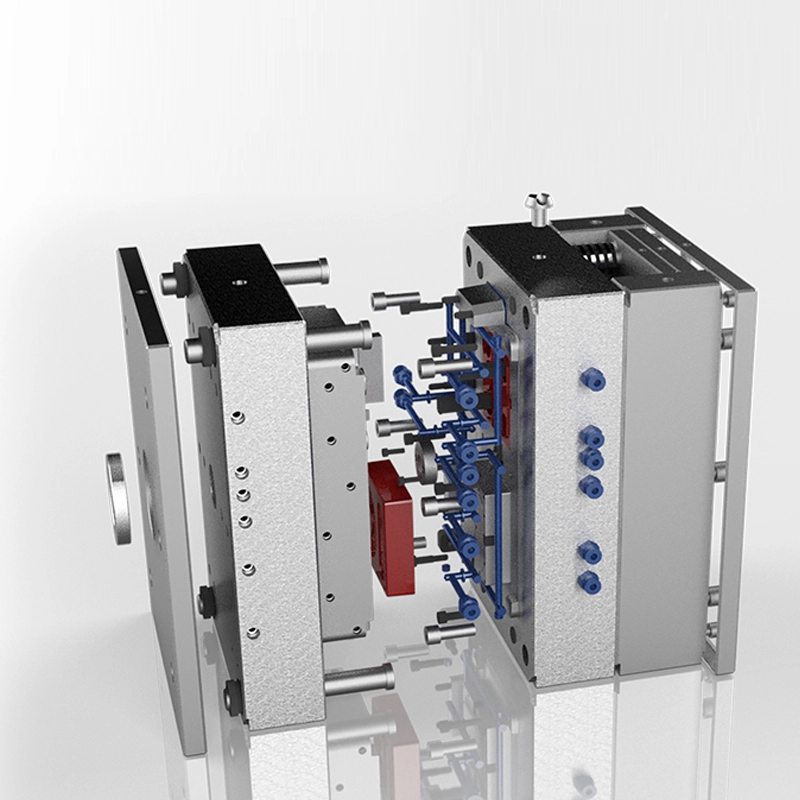
A die casting mold is an assembly of precision parts engineered to withstand extreme pressure and thermal cycling while producing accurate castings. Core systems include the molding system, mold base, ejection mechanism, runners, overflows, and supporting hardware. Each element must be designed for serviceability, repeatability, and efficient heat transfer.
1. Molding System
The molding system (cavities and cores) forms the part geometry. Cavity design must consider draft angles, fillets, radii, and surface finish to aid metal flow and reduce defects. Proper venting and gating into the cavity are critical to avoid air entrapment and cold shuts.
2. Mold Base System
The mold base supports inserts, cooling lines, ejector plates, and alignment features. Standardized bases speed maintenance and replacement. Material selection (tool steels, hardened inserts) directly impacts lifetime and repairability.
3. Ejection System
Ejectors remove parts without distortion. Options include ejector pins, blades, stripper plates, and knock-out mechanisms. Ejection sequencing and pin placement must avoid marring critical surfaces.
4. Runner System
Runners and gates direct molten metal from the sprue to each cavity. Efficient runner designs minimize turbulence and pressure loss. Hot-runner vs. cold-runner choices influence scrap rates and cycle economics.
5. Overflow System
Overflows and vents provide controlled paths for trapped air and excess metal. Properly sized overflows improve part integrity and reduce porosity.
6. Supporting Components
Components such as cooling manifolds, thermocouples, sensors, sliders, and lifters enable controlled solidification and complex geometry release. Accessibility for maintenance should be considered in early design stages.
Types of Die Casting Molds
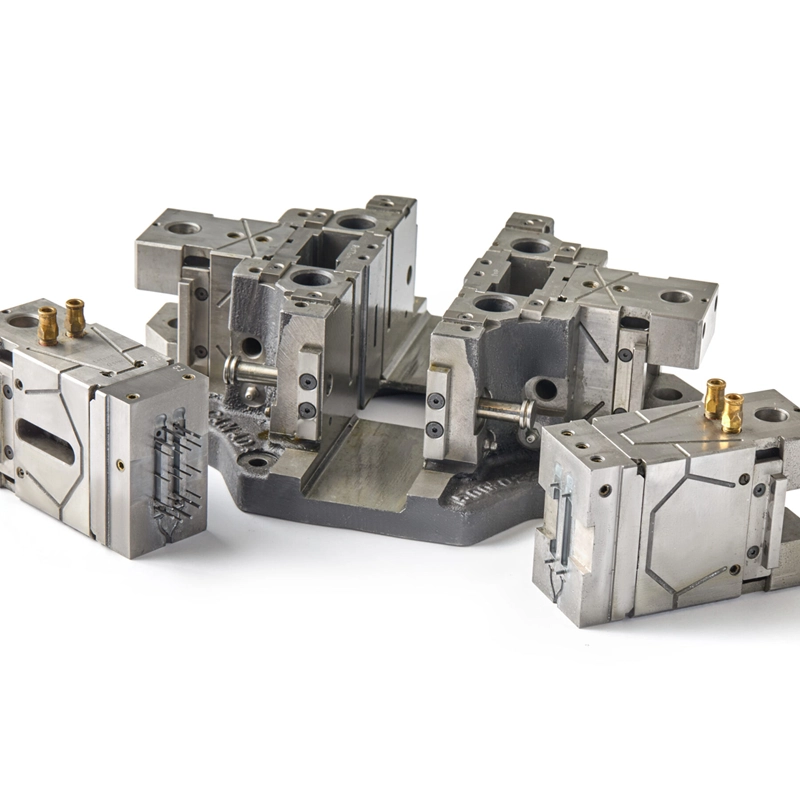
Mold choice depends on timeline, volume, and product lifecycle.
Prototyping Dies
Lightweight, lower-cost dies for validating design concepts and early testing. These dies accelerate time-to-sample and inform DFM changes prior to investing in production tooling.
Rapid Tooling Dies
Optimized for short-to-medium runs, rapid tooling bridges prototype and production by using hardened inserts with simplified bases to reduce lead time.
Production Dies
Full-lifetime molds built for sustained high-volume production. These dies are hardened, fully featured, and engineered for maintainability and long cycle life.
Unit Dies
Single-cavity dies used where cycle time is short and precision demand is high. They simplify quality control but may increase per-part cost at high volumes.
Trim Dies
Secondary tooling used to trim gates, flash, or perform secondary forming operations after casting. Trim die design should align with assembly and finishing processes.
Mold Design Process for Die Casting
A structured design process ensures the die meets performance and cost targets.
1. Preliminary Phase
Begin with part function, tolerances, material selection, and projected volumes. A Design for Manufacturability (DFM) review will flag potential issues such as thin walls, undercuts, and difficult radii.
2. Determining Number of Cavities
Cavitation is driven by cycle time, machine capacity, and expected yield. Multi-cavity dies reduce part cost but increase tooling complexity and balance requirements.
3. Projection Area
Calculate projected area to determine clamp tonnage required. This directly informs press selection and cost modeling.
4. Volume and Shape of the Die
Die mass, cooling requirements, and runner volume are sized based on casting metal (aluminum, zinc, magnesium) and part geometry. Simulation helps tailor cooling circuits and solidification paths.
5. Simulation Through Semi-Empirical Models
Use casting simulation (thermal and flow analysis) to predict air entrapment, shrinkage, and porosity. Semi-empirical models and mold flow tools reduce trial-and-error and shorten validation cycles.
Key Factors for Perfect Die Casting Tooling
- Material selection: choose appropriate tool steel and surface treatments to resist thermal fatigue and abrasion.
- Cooling strategy: balanced cooling reduces cycle time while preventing hot spots that cause porosity.
- Gate and vent design: optimized gates and vents minimize turbulence and trapped gas.
- Maintenance access: design for easy replacement of wear inserts and quick access to cooling lines.
- Quality control: incorporate sensors and inspection ports to monitor process stability and part quality.
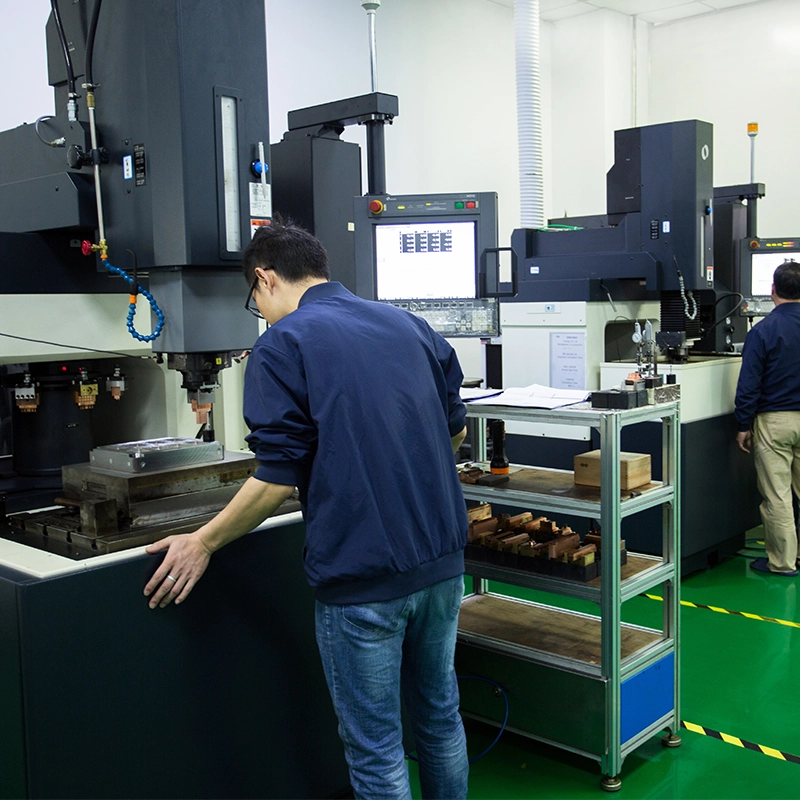
- Lifecycle planning: design with repairability and modular inserts to extend die life and reduce total cost of ownership.
Industry Best Practices and Modern Solutions
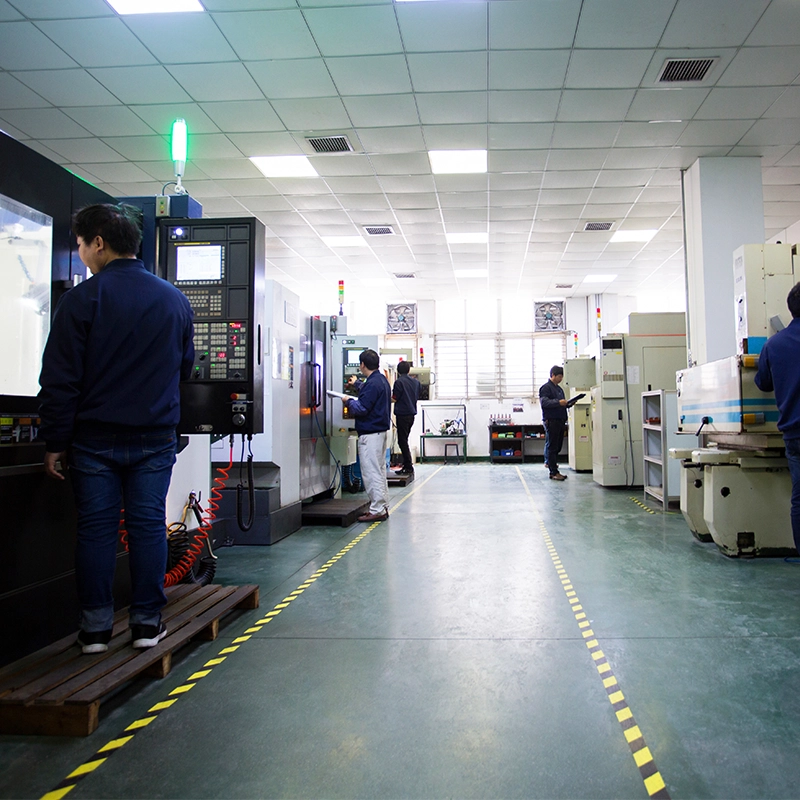
Leading manufacturers apply integrated approaches: early DFM workshops, digital twins, rapid prototyping, and predictive maintenance. Hybrid designs—combining hard tooling with 3D-printed conformal cooling inserts—can accelerate development and improve thermal performance. Partnering with a one-stop service provider that offers tooling, testing, and production under one roof often reduces risk and delivers faster ramp-to-volume.
Conclusão
Die casting mold design is a cross-disciplinary effort that balances metallurgy, thermal engineering, mechanical design, and manufacturing economics. When executed well, it delivers high-quality parts with predictable performance and competitive unit costs.
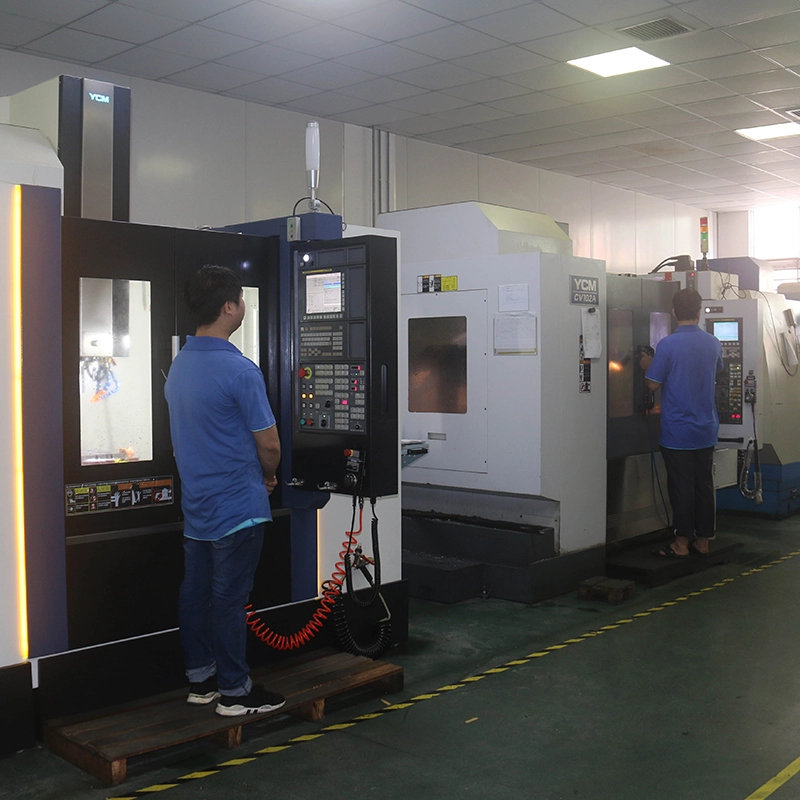
At YJCPolymer, our factory provides end-to-end one-stop service from DFM reviews to prototype tooling, production dies, and OEM service. We emphasize high quality manufacturing practices, robust DFM input, and responsive after-sales support to ensure your die casting program succeeds.
Interested in a tooling quote or a DFM review for your next die casting project? Tell us your part drawings, target volumes, and preferred alloy — we’ll evaluate gating, cavity count, and estimated clamp tonnage and get back with practical recommendations and lead-time estimates. We look forward to partnering with you.
 Portuguese
  English
  German
  Spanish
  French
  Russian