
In today’s fast-paced world of electronics, the demand for high-performance components has never been higher. Consumers expect products to be faster, smaller, and more durable than ever before. One of the materials that has stepped up to meet these challenges is zinc-copper alloys. While the name might not sound as flashy as “titanium” or “carbon fiber,” these alloys are quickly becoming one of the go-to choices in electronics manufacturing. At YJC Polymer, we understand the value of using these alloys and how they can help elevate your products in a competitive market.
What Are Zinc-Copper Alloys?
Zinc-copper alloys, often referred to as brass or bronze (depending on their specific composition), are metals composed primarily of zinc and copper. These alloys offer a unique combination of strength, corrosion resistance, and electrical conductivity. They come in various compositions, each tailored to specific applications, but all share the key benefits that make them ideal for electronics.
Zinc-copper alloys can be found in connectors, terminals, contacts, and other vital components used in everything from smartphones to home appliances and automotive electronics.

Why Zinc-Copper Alloys Are Ideal for Electronics
-
Superior Electrical Conductivity
Let’s face it, electronics need to conduct electricity—there’s no way around it. Zinc-copper alloys provide excellent electrical conductivity, making them perfect for connectors, switches, and other components that need to transmit signals and power efficiently. Copper is known for its high conductivity, and when combined with zinc, you get a material that’s both cost-effective and reliable in carrying electrical current.
-
Resistência à Corrosão
One of the most significant advantages of zinc-copper alloys is their resistance to corrosion. In electronics, corrosion is a major issue, especially in devices exposed to moisture, heat, and other harsh conditions. Zinc-copper alloys provide a protective layer that helps resist corrosion, ensuring your components last longer and maintain their performance. For manufacturers like us at YJC Polymer, this means fewer failures, lower maintenance costs, and increased customer satisfaction.

-
Durability and Strength
Durability is a big deal in electronics. Whether it’s the constant handling of a smartphone or the vibrations and shocks in automotive applications, components need to be tough enough to withstand wear and tear. Zinc-copper alloys are naturally strong, with good mechanical properties that allow them to maintain their integrity even under stress. When you choose zinc-copper alloys, you’re choosing a material that can stand the test of time.
-
Malleability and Workability
One of the lesser-known benefits of zinc-copper alloys is their malleability. The combination of zinc and copper creates an alloy that is relatively easy to shape, which is crucial in electronics manufacturing. Whether you’re designing intricate connectors or crafting complex housing parts, these alloys can be easily molded or stamped to create the precise shape you need. This flexibility reduces manufacturing costs and ensures a higher-quality finished product.
-
Cost-Effectiveness
Compared to other high-performance alloys, zinc-copper alloys are relatively affordable. They offer many of the same advantages as more expensive metals (such as pure copper) but at a fraction of the cost. This is particularly beneficial for mass production, as it helps keep costs down while still delivering excellent performance.
Zinc-Copper Alloys in Electronics Manufacturing
In the fast-evolving world of electronics, using the right material is crucial for maintaining a competitive edge. Zinc-copper alloys are commonly used in the following components:
-
Connectors and Terminals: Zinc-copper alloys provide excellent conductivity and durability for electrical connectors and terminals used in various electronic devices.
-
Battery Components: Many battery contacts and terminals are made from zinc-copper alloys due to their ability to resist corrosion and ensure efficient power transmission.
-
Switches and Relays: Components like switches and relays, which require both strength and conductivity, benefit from the superior properties of zinc-copper alloys.
-
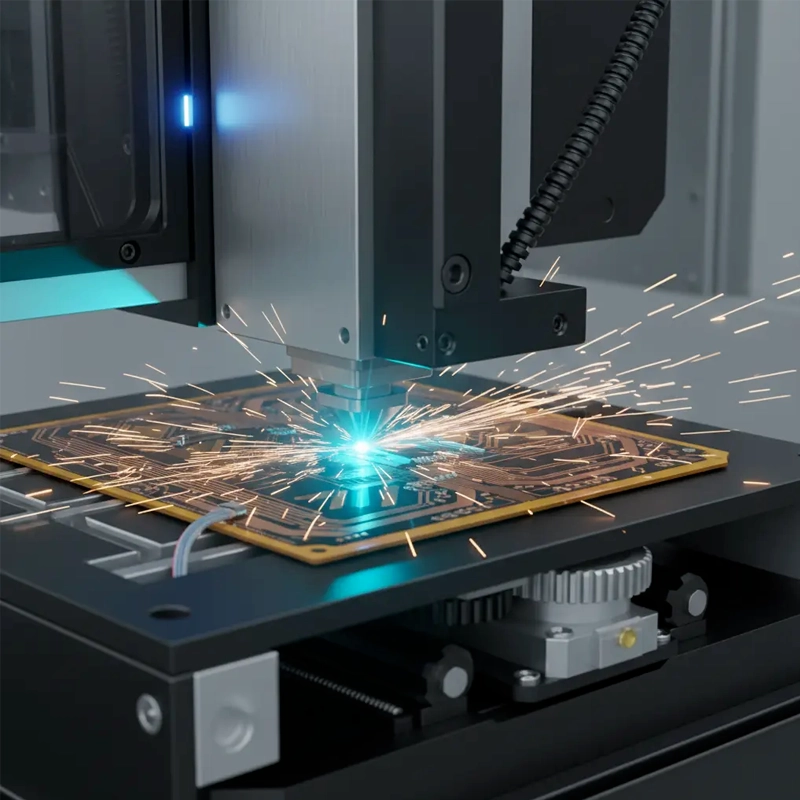
Circuit Boards: Zinc-copper alloys are also used in certain parts of circuit boards to ensure that electrical signals are transmitted effectively.
At YJC Polymer, we specialize in producing custom components using high-quality zinc-copper alloys. Our products are designed to meet the highest standards of performance, reliability, and durability. By leveraging advanced tooling, CNC machining, and a strict quality control process, we ensure that every part we produce is up to the task of supporting the most demanding electronics applications.
How YJC Polymer Delivers Excellence with Zinc-Copper Alloys
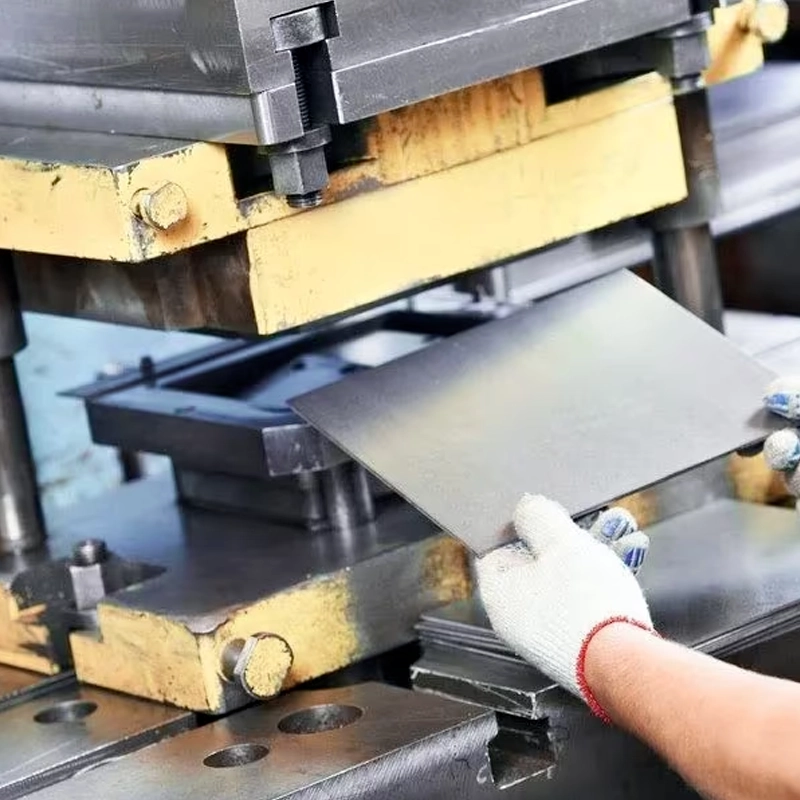
Our state-of-the-art manufacturing facility is equipped to handle a wide range of applications requiring zinc-copper alloys. We use precision techniques such as CNC machining, metal stamping, and rapid prototyping to craft components that meet your exact specifications.
We also understand that custom tooling plays a vital role in ensuring that every part we make fits perfectly and performs flawlessly. Our team works closely with clients to develop and refine tooling solutions that streamline the production process and deliver parts with the tightest tolerances.
Final Thoughts
Zinc-copper alloys are fast becoming the material of choice for manufacturers in the electronics industry, and for good reason. Their combination of electrical conductivity, corrosion resistance, strength, and workability makes them an ideal solution for a variety of applications. At YJC Polymer, we are proud to offer these alloys as part of our comprehensive range of manufacturing solutions, helping you create products that are not only reliable but also cost-effective.
So, if you’re looking for high-quality zinc-copper alloy components for your electronics products, look no further. At YJC Polymer, we bring innovation and precision to every part we make.

 Portuguese
  English
  German
  Spanish
  French
  Russian