
Industry Background: Material Choice Is Now a Sourcing Decision
Engineering plastics keep gaining share
Engineering plastics are moving into more housings, structural parts and functional components. Grand View Research values the global engineering plastics market at USD 133.62 billion in 2023 and projects USD 230.64 billion by 2030, a 7.8% CAGR. It reports that styrene copolymers (ABS and SAN) held the largest share of resin volume in 2023, at 33.7%.
The 2026 supply picture changed for nylon buyers
Material selection used to be settled on the drawing. In 2026 it also depends on who can supply the resin. A May 2026 analysis in PlasticsToday describes three structural changes in the PA6/PA66 supply base within about 60 days. Lone Star Funds completed its acquisitions of RadiciGroup’s high-performance polymers business and of DOMO Engineered Materials. Celanese also announced it would close a 55,000-metric-ton-per-year PA66 polymerization unit in Singapore after July 2026.
For OEM buyers, ABS, PC and nylon are three different tooling problems and three different supply-chain exposures.
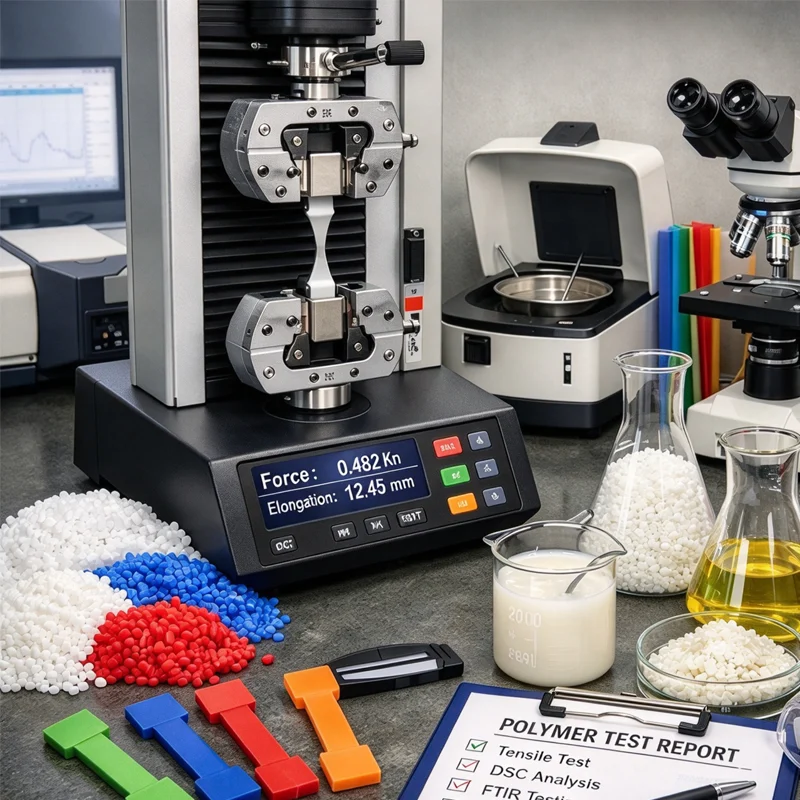
Why It Matters: Where Material Choice Reaches the P&L
Tooling cost is largely fixed before the first shot
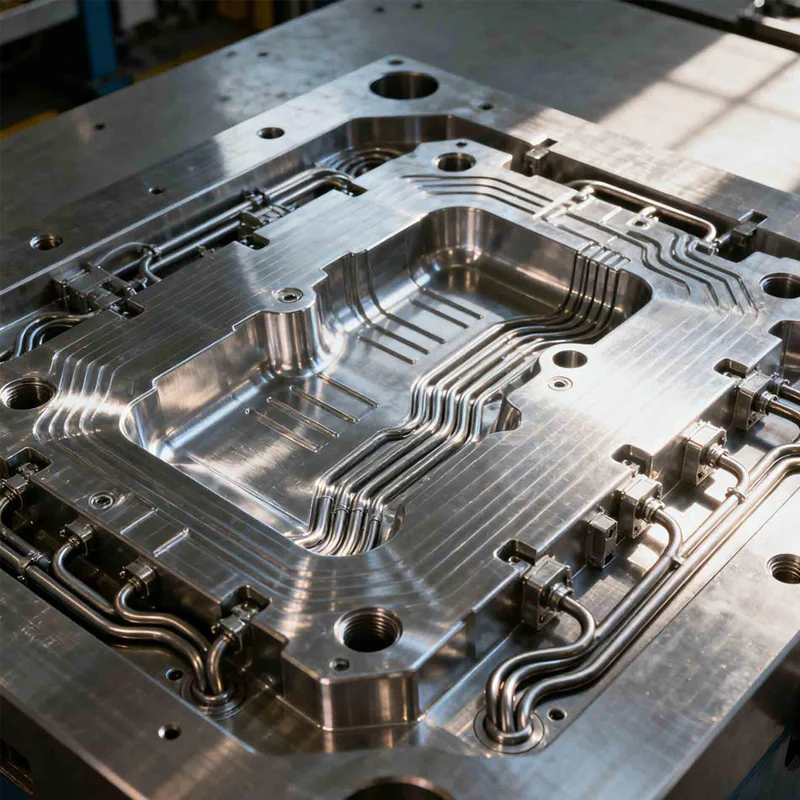
Resin choice drives mold steel selection, surface treatment, cooling design, venting and shrinkage compensation. A material that runs hot, wears steel or shrinks unevenly makes the tool more expensive to build and slower to qualify. Changing the resin after tooling is released can mean modifying the mold or building a new one.
Piece price is only part of landed cost
Resin price per kilogram is visible on a quote. Scrap from warpage, extra trial rounds, drying and conditioning requirements, and tool maintenance are not. A cheaper resin that needs three tool corrections can cost more than a pricier resin that runs cleanly.
Supply risk follows the resin, not the drawing
A part specified around a single grade from a single producer carries that producer’s risk. Plant closures, consolidation and feedstock swings pass directly into your lead times and price negotiations.
Market Observation: What Current Data Shows
Nylon: fewer independent suppliers
PlasticsToday notes that DOMO and RadiciGroup were previously independent producers that buyers could use as competing sources. Under one owner, that competitive pressure is expected to fall. The author advises buyers to audit second-half volume against open contracts and to rebuild their list of alternate suppliers. The Celanese unit was scheduled to close after July 2026, so confirm its current status with your resin distributor. Nylon buyers who rely on a two-supplier model should revisit it.
Polycarbonate: price depends on where you buy
IMARC Group reports June 2026 polycarbonate prices of USD 2.3/kg in Northeast Asia, 2.1 in Southeast Asia, 3.17 in North America and 3.5 in Europe. European pricing was roughly 1.6 times the Southeast Asian level. Where a program’s resin is sourced can matter as much as which polymer it is.
ABS: the volume baseline
ABS is the largest single resin category in the Grand View Research segmentation cited above. Broad production and a wide supplier pool generally make ABS the lowest-risk starting point for sourcing. It is also a baseline against which PC and nylon should justify their added cost.
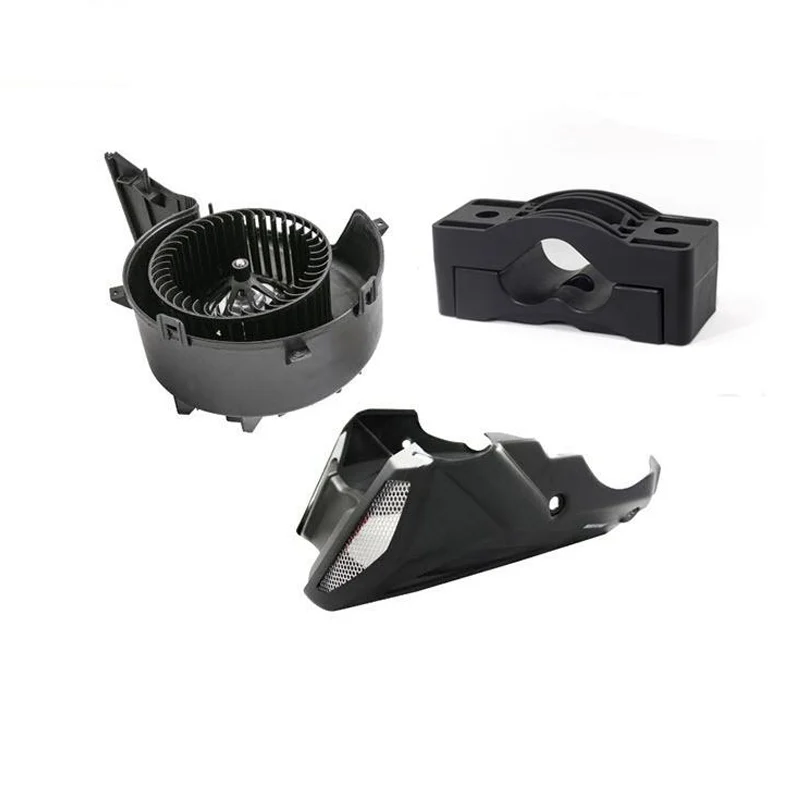
Engineering Comparison: How Each Material Affects Tooling
ABS: forgiving to process, lower tooling risk
ABS is amorphous, processes at relatively moderate temperatures and holds cosmetic finishes well, including textured and plating-grade surfaces. The trade-off is lower heat resistance than PC and limited tolerance of some chemicals and UV. For a look at how a related commodity resin compares, see YJC’s ABS vs polypropylene comparison.
PC: higher processing demands, higher performance
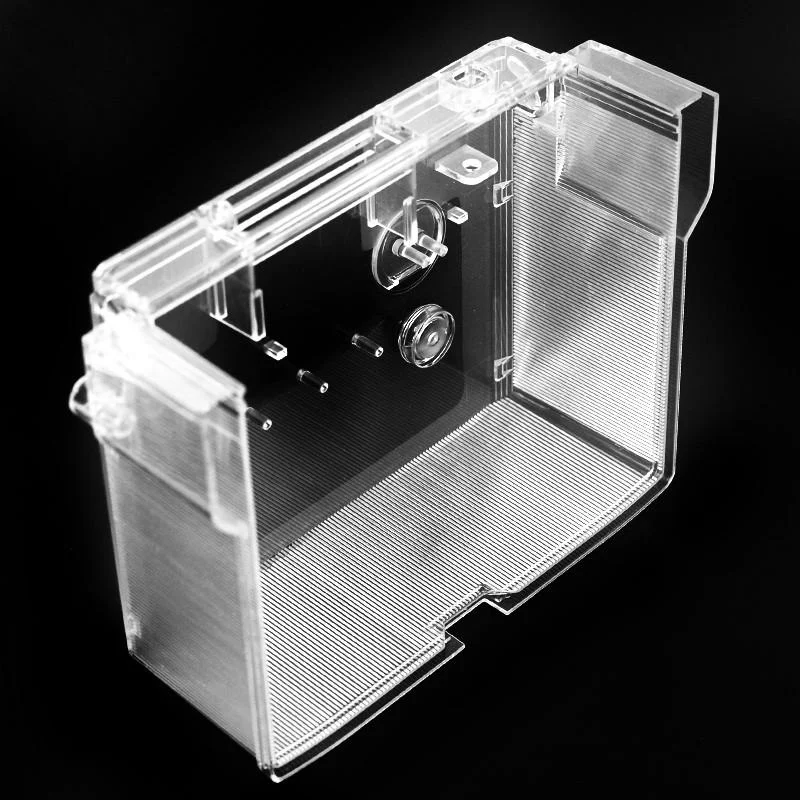
Polycarbonate offers high impact strength, clarity and better heat resistance than ABS. It requires thorough drying before molding and higher melt and mold temperatures, and it can be sensitive to stress cracking from certain cleaners and lubricants. Clear or optical parts also need highly polished cavities, which raises tooling cost. If heat exposure is the deciding factor, YJC’s guide to choosing heat-resistant plastic materials is a useful companion.
Nylon: shrinkage, moisture and tool wear
PA6 and PA66 are semi-crystalline. They shrink more than amorphous resins, and glass-filled grades shrink unevenly with fiber direction, which creates warpage risk. Nylon absorbs moisture, so dimensions can shift after molding depending on humidity. Glass-filled grades are abrasive to cavities and gates, so they often call for hardened steel or surface treatments. Nylon’s low melt viscosity also makes it prone to flash if venting and parting-line fit are not right.
Side-by-side summary for buyers
| Factor | ABS | PC | Nylon (PA6/PA66) |
|---|---|---|---|
| Processing difficulty | Lower | Higher (drying, temperature) | Higher (moisture, shrinkage) |
| Tooling wear risk | Bajo | Moderate | High with glass-filled grades |
| Dimensional predictability | Bueno | Bueno | Needs conditioning and shrinkage data |
| Main sourcing exposure | Broad supplier pool | Regional price spread | Consolidating supplier base |
The YJC Polymer Perspective
What we can state from our own workflow
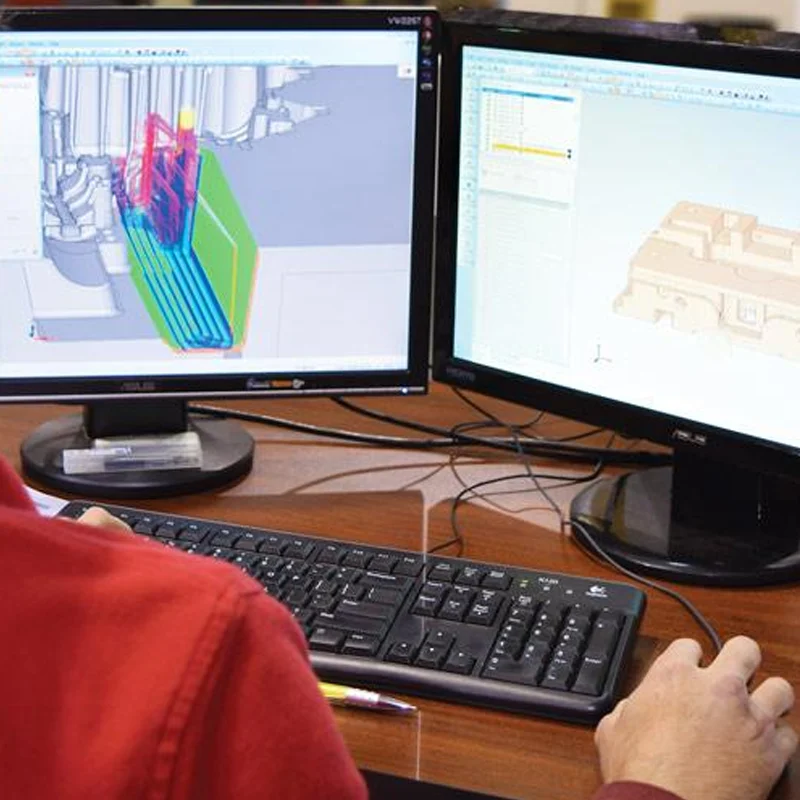
In YJC Polymer’s standard project flow, DFM analysis and tooling 3D approval come before any steel is cut. Material questions are therefore raised while the design can still change. Samples (T0 and P0) and PPAP documentation follow tooling, so the material and tooling combination is validated before mass production.
Sales-side observation
During quotation and DFM discussions, YJC Polymer’s sales and engineering teams often receive material-related questions before tooling approval, especially when customers are developing new plastic components or evaluating alternative materials.
A common topic to confirm during early project review is whether the selected resin grade is based on actual part requirements, such as heat exposure, impact resistance, cosmetic requirements, chemical contact, or expected production volume. Buyers are increasingly looking beyond resin price and asking how material selection may affect tooling design, sampling requirements, and long-term production stability.
Material availability and approved alternatives are also becoming part of supplier discussions. For projects involving engineering plastics such as PC or nylon, customers may ask about grade availability, equivalent material options, and whether a future resin change could require tooling modification.
Because material decisions directly influence mold design, shrinkage assumptions, processing parameters, and validation requirements, YJC Polymer reviews material selection during the DFM stage before tooling begins.
Practical Decision Framework
Questions to settle before releasing tooling
Before committing to a material, ask:
- ✓ Does the part’s heat, impact and chemical exposure justify PC or nylon over ABS?
- ✓ Has the supplier supplied shrinkage data and a warpage assessment for the chosen grade?
- ✓ For nylon, at what moisture condition are dimensions inspected and specified on the drawing?
- ✓ Which mold steel and surface treatment does the tool quote assume for the chosen resin?
- ✓ Is there an approved alternate grade or second resin source if the first becomes unavailable?
Specify the grade and the approved alternates
A drawing that says only “nylon” leaves too much open. Name the resin grade, list approved alternates, and require lot traceability so a supply disruption does not force a re-qualification from scratch.
Build a second-source plan early
Where nylon is unavoidable, map at least two qualified resin sources before volume ramps, not after a shortage appears. For PC, compare regional resin pricing against your molding location.
How to Evaluate a Molding Partner’s Material Capability
Look for tooling and molding under one roof
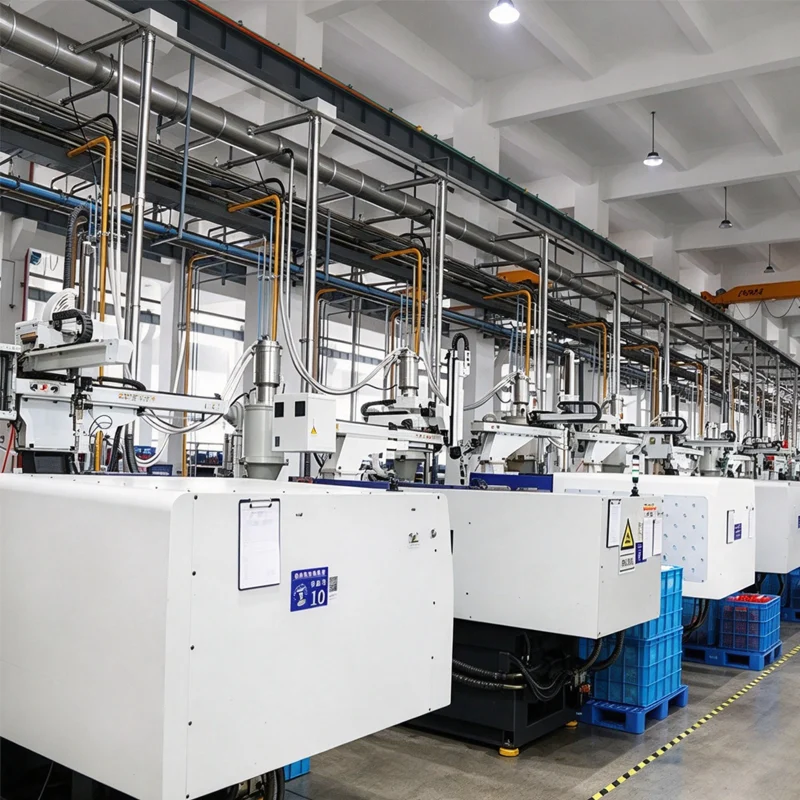
Material problems usually show up as tooling problems. A partner that builds its own molds and runs its own molding can correct shrinkage or wear without a hand-off. YJC Polymer operates both plastic injection molding and tooling manufacturing.
Example: YJC’s ABS, PE, PP and nylon injection parts program
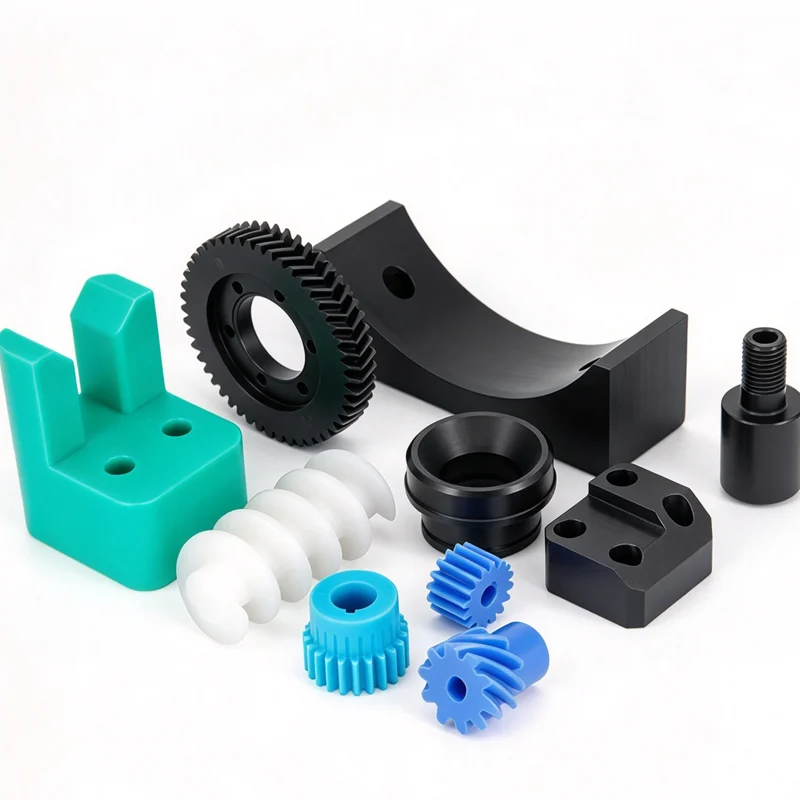
For buyers comparing ABS, PC and nylon, YJC Polymer’s ABS / PE / PP / Nylon PA6 / PA66 plastic injection parts page shows the resin range it molds for OEM programs. From a procurement standpoint, the advantages are:
- Broad resin coverage in one program. ABS, PE, PP, PA6 and PA66 are handled together, so you can compare materials with one supplier. Confirm PC and other specific grades at the DFM stage.
- Tooling in the same supply chain. Tool design, tooling manufacturing and molding are coordinated, which shortens the loop when a material needs a mold adjustment.
- DFM and 3D tooling approval before steel. Feasibility and material fit are reviewed before tooling starts, which limits late redesign cost.
- Sample and documentation discipline. T0 and P0 samples with PPAP documents give your quality team a validation record.
- Inspection and process control. YJC describes full inspection before delivery; see its quality assurance page for details.
- Fewer vendors to manage. The company also offers overmolding, LSR, CNC machining and metal stamping. For assemblies that combine hard plastic with soft-touch or metal elements, that reduces coordination.
You can see the same approach applied in real programs, such as its shower head mold work and electronic plastic housing projects.
What This Means for Your Brand
Material strategy is product strategy
Choosing ABS, PC or nylon fixes your tooling investment, your finish options, your warranty exposure and your resin supply base. Brands that treat it as a sourcing decision alongside the design decision make fewer late changes.
From material to manufacturing model
The next question after material is who will mold it and how they manage resin risk. That leads into supplier qualification, dual-sourcing and long-term production planning. A material chosen well but molded by a partner without tooling control still leaves cost and delivery exposed.
Conclusión
ABS, PC and nylon differ less in datasheet numbers than in the tooling and supply exposure they create. ABS is the low-risk baseline. PC adds performance but brings higher processing demands and regional price spread. Nylon adds strength and wear resistance but comes with shrinkage, moisture behavior, tool wear and a consolidating supplier base. Decide the material together with the tooling plan, lock the grade and its alternates, and choose a partner that can manage both.
FAQ
1. Can we change the resin after the mold is built?
Sometimes, if the new resin has similar shrinkage and processing behavior, for example moving within the ABS family. Moving from ABS to a semi-crystalline nylon usually needs mold changes because of shrinkage, gating and venting differences. Confirm with DFM before assuming a swap is possible.
2. Is PC/ABS a compromise between the two?
It blends PC’s heat and impact performance with ABS’s processability. It also depends on two resin supply chains and on a specific grade, so check availability and approved alternates.
3. How does nylon moisture affect quality inspection?
Dimensions change as parts absorb moisture. Specify on the drawing whether measurements are taken as-molded or after conditioning, and align your incoming inspection to that.
4. What documents should we request to qualify resin supply?
Ask for the resin grade datasheet, lot traceability, supplier certificates of conformance and a list of approved alternate grades.
5. Should we specify the resin by grade or by generic name?
Specify by grade, and list approved alternates. Generic names allow substitutions that change shrinkage, color or mechanical performance.
6. Does overmolding limit material choice?
Yes. Bonding between the substrate and the soft material depends on compatibility, so choose the substrate and overmold material together. See YJC’s guide to overmolding design factors.
About the Author
The YJC Polymer engineering team supports OEM and ODM programs in plastic injection molding, LSR and silicone molding, tooling manufacturing and metal stamping, drawing on more than 20 years of manufacturing experience. The team works with global brands and distributors across consumer electronics, kitchen and bath, medical and automotive applications. Its focus is helping buyers make sound material, tooling and sourcing decisions, supported by DFM analysis, sample validation and full inspection before delivery.
References
- Grand View Research, Engineering Plastics Market Size and Share Report
https://www.grandviewresearch.com/industry-analysis/engineering-plastics-market-report - PlasticsToday, While Everyone Watched Feedstock, Nylon Supply Base Quietly Shrank (May 21, 2026)
https://www.plasticstoday.com/resin-pricing/while-everyone-watched-feedstock-nylon-supply-base-quietly-shrank - IMARC Group, Polycarbonate Prices, Index, Chart, Trend and Forecast 2026
https://www.imarcgroup.com/polycarbonate-pricing-report
Planning Your Next Tooling Project?
Why Global OEM Brands Work with YJC Polymer
✔ 20+ years of manufacturing experience in LSR, plastic and metal parts
✔ Plastic injection molding and tooling manufacturing under one roof
✔ DFM analysis and 3D tooling approval before tooling starts
✔ T0/P0 samples and PPAP documentation
✔ Full inspection before packing and delivery
✔ NDA signed at project start to protect your designs
Whether you are comparing ABS, PC and nylon for a new housing, component or assembly, YJC Polymer can review your drawings and material requirements before tooling begins. Send us your 2D/3D files and requirements to start an engineering review.
 Spanish
  English
  German
  Portuguese
  French
  Russian