
Are you troubleshooting a persistent oil leak or planning a performance rebuild and wondering whether a silicone valve cover gasket (also called a rocker-cover seal, cam-cover gasket, or engine cover seal) is the right solution? At The term "YJCPolymer" seems to be a name or brand and does not require translation. It would remain the same in Spanish. If you need assistance with a specific context or additional content, please provide more details!, we manufacture and supply high-quality, custom valve gaskets and offer one-stop service from material selection through production and logistics. Below is a practical, technician-friendly guide that explains materials and manufacturing, answers common owner questions (with realistic cost/time ranges), and shows what to expect when you source custom valve gaskets from an experienced supplier.
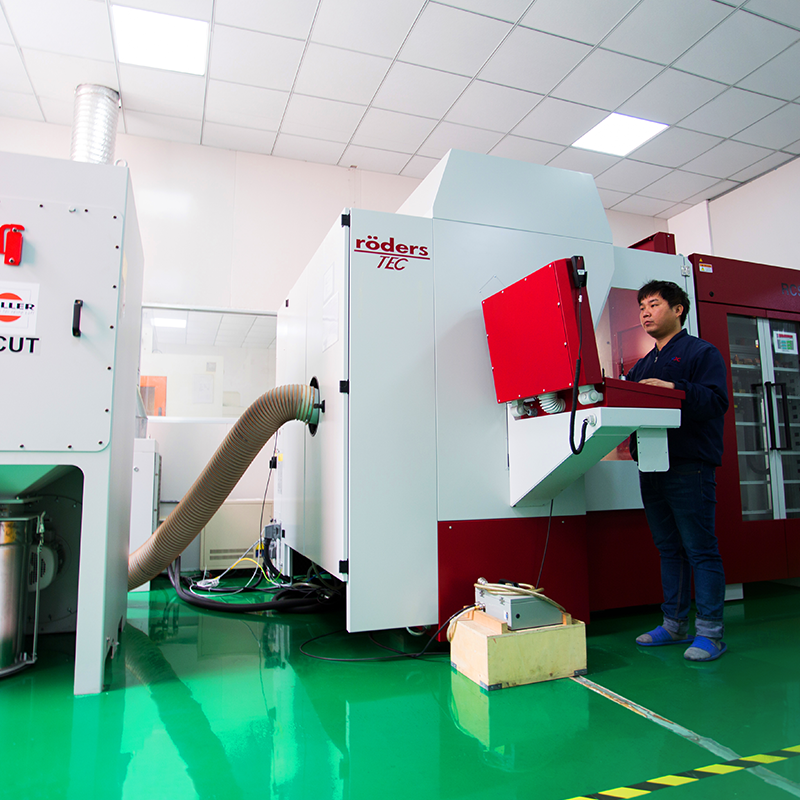
The Manufacturing Process of Custom Valve Cover Gaskets
Modern custom valve gaskets are typically made from elastomers selected for oil, heat, and chemical resistance. Common processes include:
- Material selection — silicone (LSR or HCR) for high temperature and longevity; nitrile (NBR) or fluoroelastomer (FKM) for fuel/oil resistance; EPDM or TPU for specific OEM specs. Silicone is widely used where high heat and long-term compression set resistance are needed.
- Herramientas & die cutting — for flat gasket geometries, precision die-cutting from cured sheets yields tight tolerances.
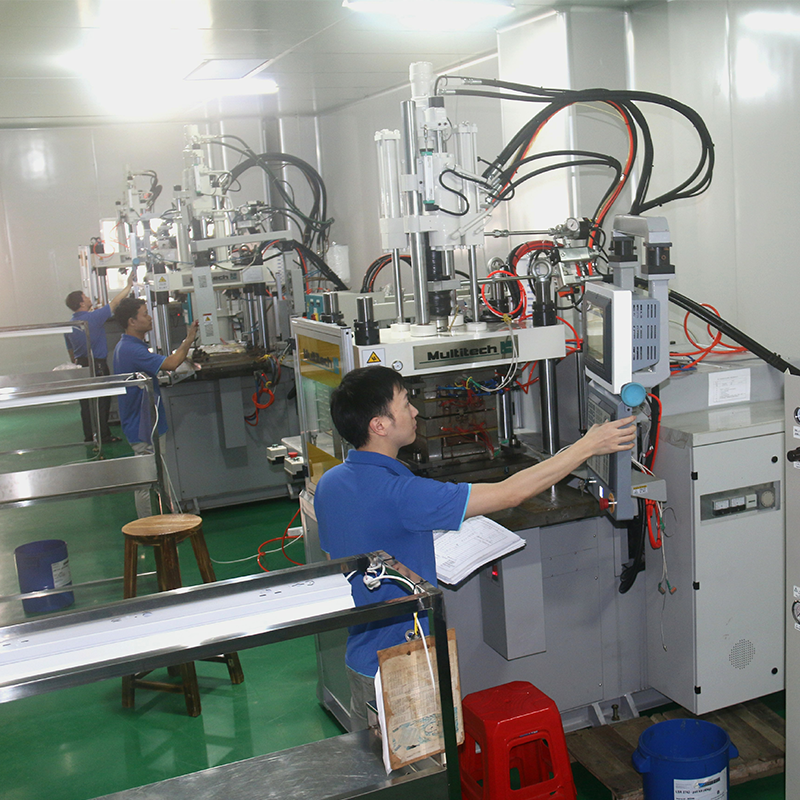
- Injection or transfer molding — used for complex profiles, integrated sealing beads, or bonded constructions. Liquid silicone rubber injection molding produces repeatable, medical-grade quality parts with excellent surface finish and dimensional control.
- Sobremoldeo & bonding — silicone can be overmolded onto metal or plastic retainers to make sealed assemblies.
- Post-cure & testing — parts undergo thermal aging, compression set testing, oil/chemical soak tests, and dimensional inspection.
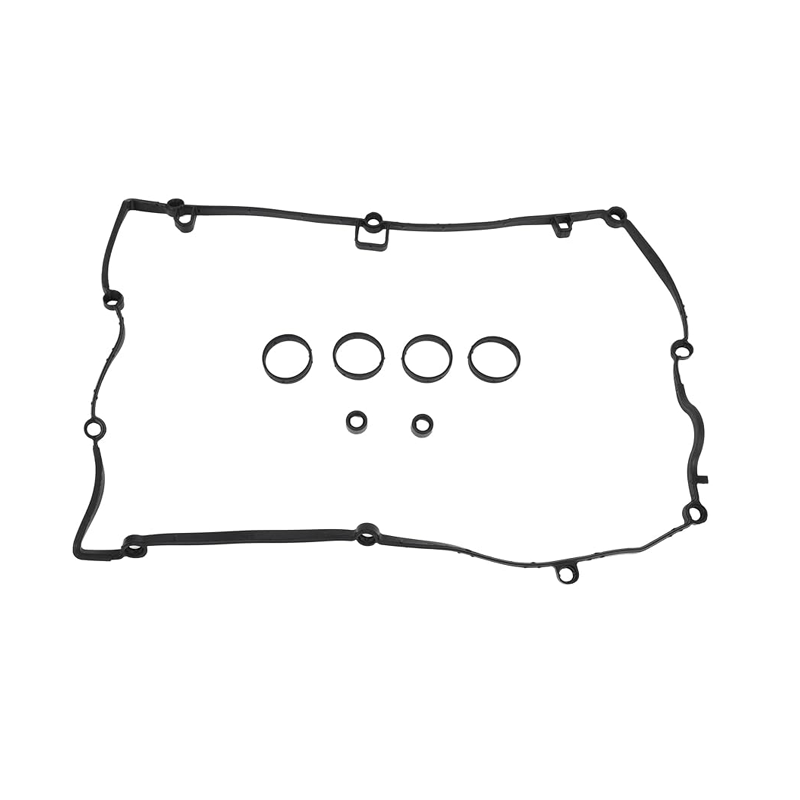
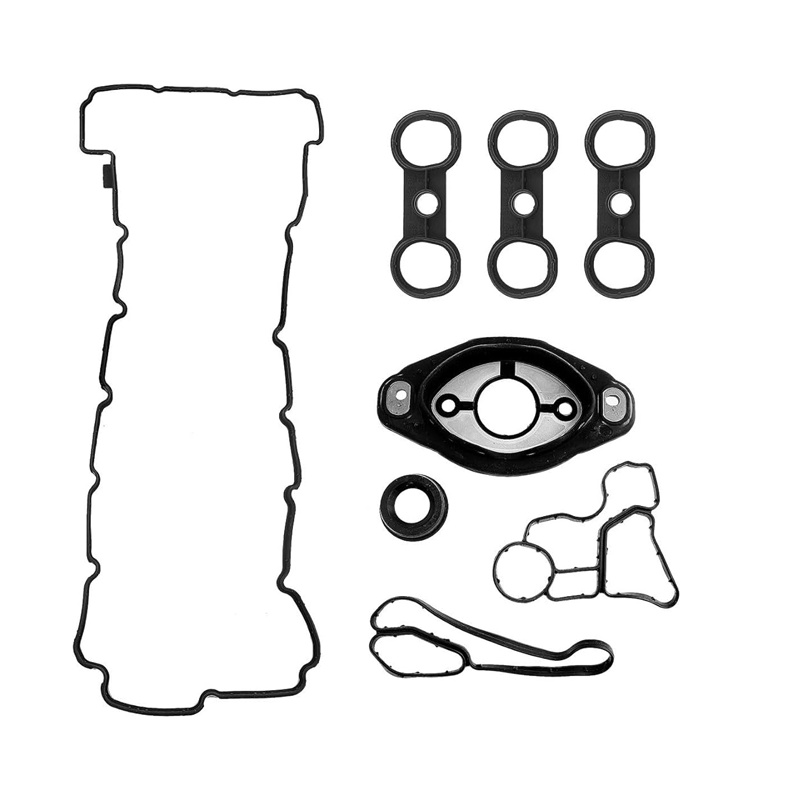
- Kitting & one-stop service — YJCPolymer packages gaskets with fasteners, seals, and documentation for OEMs under our custom service programs.
We work with Tier-1 suppliers and can certify materials to customer specs, provide lot traceability, and run small pilot lots before scaling to production.
Is Silicone Used on Valve Cover Gaskets?
Yes. Silicone (especially platinum-cured LSR) is a common choice for high-temperature engines because it resists compression set, ozone, and thermal aging better than many rubbers. Silicone gaskets maintain sealing force over long service intervals, making them an excellent option for modern engines with higher operating temperatures.
BMW-Specific Questions — Costs and Time
- How much does it cost to replace a valve cover gasket on a BMW? Typical shop labor plus parts ranges widely: for many BMW 4-cylinder or 6-cylinder engines expect roughly $300–$900. High-end or V8 engines with complex intake removal can run $800–$2,000. (Estimates depend on local labor rates and parts pricing.)
- How long does it take? A straightforward replacement often takes 1–3 hours. On engines where the intake manifold or ignition coils must be removed, expect 3–6 hours; on some V-engines and newer modular designs it may take longer.
- Is it worth replacing? Almost always yes. A leaking valve cover gasket can cause oil loss, smoke, fouled plugs, and potential fire risk. Replacing it early prevents larger, costlier engine problems.
Why Do Valve Cover Gaskets Leak or Fail?
Common causes:
- Age & compression set: Elastomers lose elasticity and no longer press tightly against the mating surface.
- Over-torqued or uneven bolts: Distorted cover or gasket extrusion.
- Warped or damaged valve cover (often plastic): Modern cars use plastic cam covers for weight and cost, but these can crack or distort.
- Contamination: Sludge or oil varnish prevents good sealing.
- Improper installation or poor-quality replacement gaskets from unscrupulous suppliers.
Symptoms & Consequences of a Leaking Valve Cover Gasket
- Visible oil seepage around the cam cover or along the engine head.
- Oil in spark plug wells (misfires, rough idle).
- Burning oil smell or smoke from hot exhaust/manifold contact.
- Low oil level warnings over time.
- In severe cases, oil dripping onto belts or hot components can ignite or damage ancillary parts.
If you ignore a leak you risk clogged PCV systems, oil starvation, damaged ignition coils, and expensive downstream repairs.
What Else Should You Replace When Replacing a Valve Cover Gasket?
Best practice: replace related consumables while you have access: spark plug tube seals, ignition coil boots, PCV valve, valve cover bolts or seals, and any O-rings disturbed during disassembly. If the valve cover is plastic and warped, replace the cover as well. YJCPolymer can supply custom valve gaskets and matched seals as a kit to simplify service.
Mechanical Considerations & Service Tips
- Do you need to drain oil? Not necessarily for many engines; draining is required only if cover removal risks contaminating oil galleries. Follow vehicle service manual.
- Can you drive with a leaking valve cover gasket? Short distances, yes, but avoid long drives. Driving with oil on spark plugs causes misfires; severe leaks create fire risk.
- Will a leak cause power loss? Indirectly: oil in spark plug wells causes misfires and reduced power.
- Can valve seals be replaced without removing the head? Valve stem seals typically require access beyond the valve cover and often involve removing the cylinder head or using specialized tools; this is more involved than a simple cover gasket change.
Lifespan & Miles
Valve cover gaskets often last 60,000–150,000 miles depending on material, operating conditions, and maintenance. High-heat or infrequently serviced engines shorten life. Regular oil changes and proper torque procedures extend gasket life.
Why Are Many BMW Valve Covers Plastic? Are BMWs Known for Oil Leaks?
Manufacturers use plastic covers for weight reduction, cost, and design flexibility. Plastic can be engineered for thermal durability but can also crack or distort over time if design or material selection is poor. BMW — like many modern OEMs — has had notable oil-leak issues tied to gasket materials and plastic cover designs. Choosing high-quality replacement gaskets and proper installation mitigates risk.
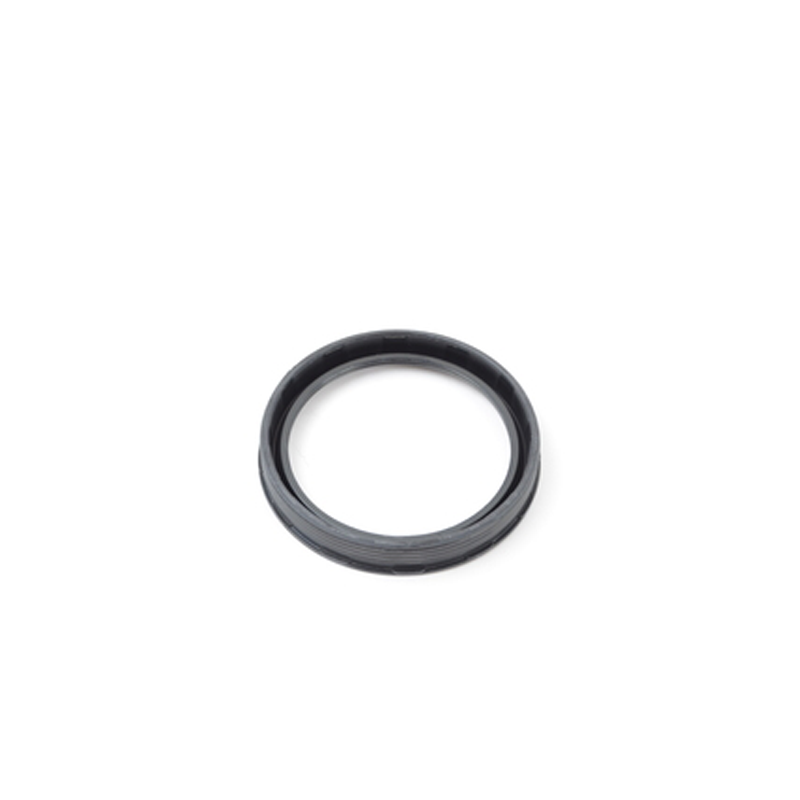
What Does Oil in Spark Plugs Mean?
Oil in spark plug wells typically indicates a failed valve cover gasket or spark plug tube seal. This causes misfires, rough running, and potential catalytic converter damage if unaddressed.
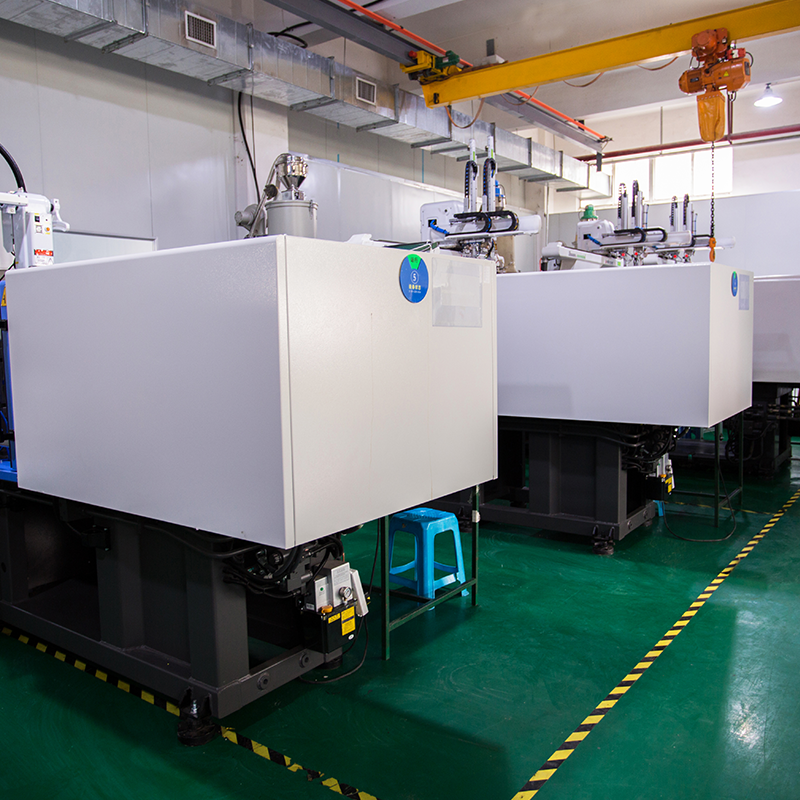
Final Recommendations
- Use quality gaskets from reputable manufacturers or obtain custom service from a trusted partner. YJCPolymer supplies factory-grade silicone and bonded gasket assemblies, with material certificates and production traceability.
- Replace related seals and PCV components while servicing the cover.
- If you plan to retain the vehicle long term, invest in a higher-grade silicone or FKM gasket to reduce future leaks.
- For fleet or OEM programs, consider our one-stop service: we handle design, prototyping, validation testing, and scalable production — including matched fastener kits and serialized lot tracking to help your maintenance operation or aftermarket program run smoothly.
If you’d like us to review your vehicle application, recommend material options, or quote custom valve gaskets, send your engine model, part drawings, or photos of the current cover and leak area. Our engineering team at YJCPolymer will respond with a manufacturable proposal, testing plan, and lead times so you can get the right seal the first time.
 Spanish
  English
  German
  Portuguese
  French
  Russian