
If you’ve ever noticed an unsightly, powdery residue or a cloudy film on your silicone products, you’ve probably witnessed the phenomenon known as blooming. It’s one of the more curious (and sometimes frustrating) issues in the world of silicone manufacturing. But what exactly is happening when silicone products start to bloom? And more importantly, how can we prevent it?
Let’s dive into the science behind blooming in compression-molded silicone products, explore the causes, and offer some solutions to keep your silicone products looking pristine.
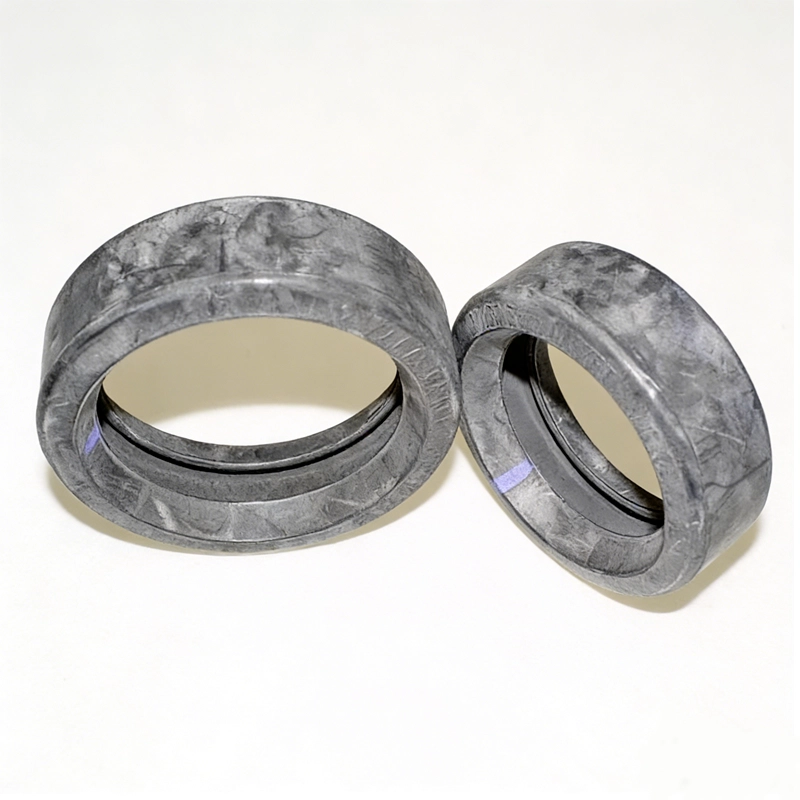
What is Blooming in Silicone Products?
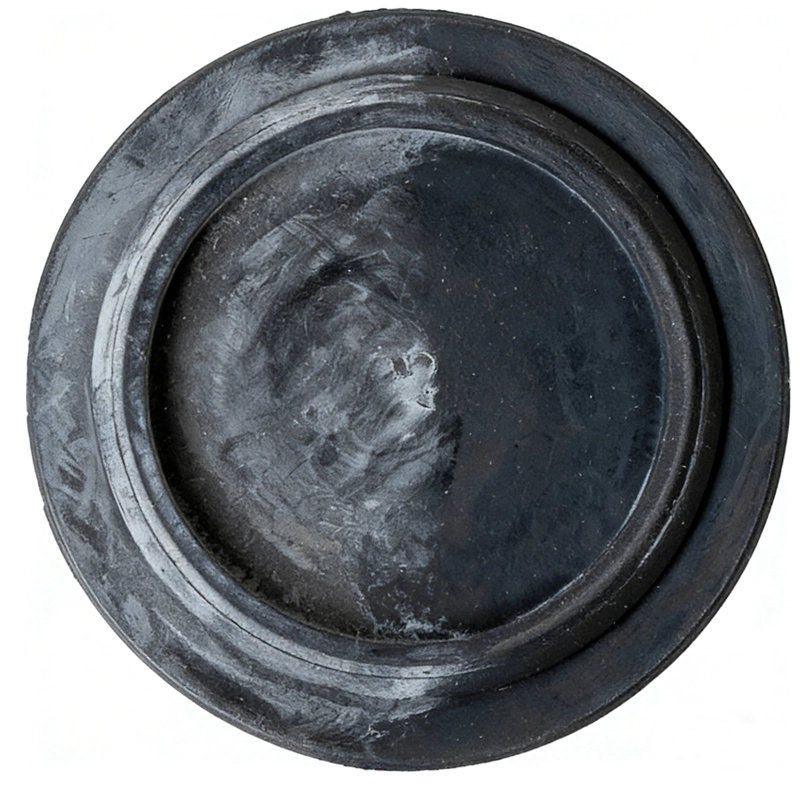
In simple terms, blooming refers to the appearance of a thin, white, powdery residue on the surface of silicone rubber products. This phenomenon occurs when the additives or curing agents in the silicone material migrate to the surface and crystallize. While blooming doesn’t necessarily affect the functionality of the silicone, it certainly detracts from its aesthetic appeal.
So, why does this happen, and can we stop it?
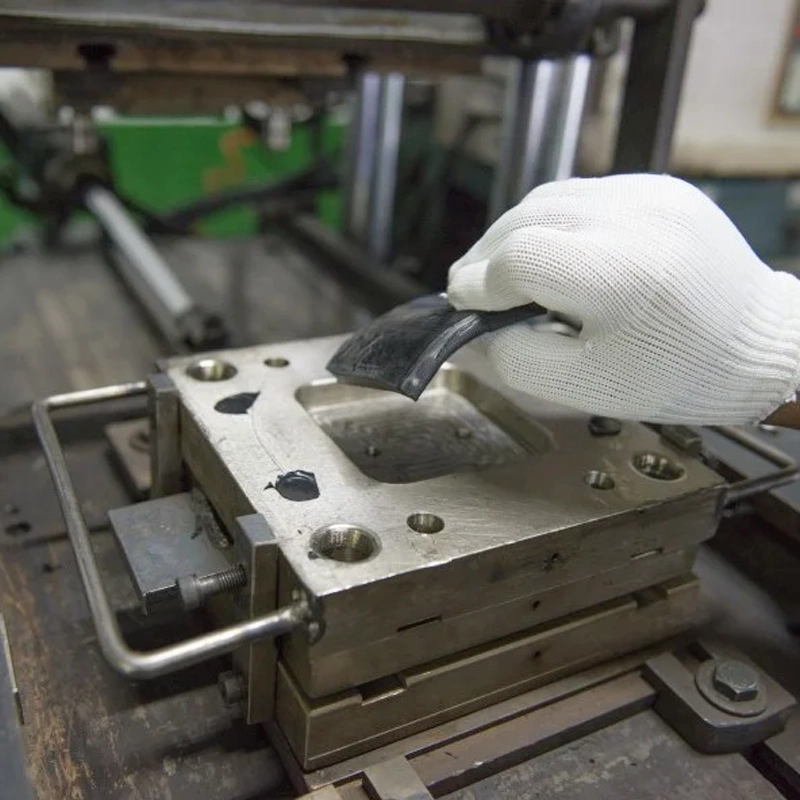
The Main Culprits Behind Blooming
-
Additives and Release Agents
Compression molding involves using high pressure to shape silicone into a particular form. To ensure the molded silicone comes out of the mold easily, manufacturers often use release agents. These agents, typically made from silicones or other compounds, can migrate to the surface of the product during cooling and result in blooming.
Pro Tip: Choose release agents that are less likely to migrate to the surface. Some modern agents are designed to stay where they’re needed and not interfere with the final appearance.
-
Curing Agents and Inhibitors
The curing process in silicone involves chemical reactions between curing agents and the base polymer. In some cases, if the curing agent isn’t fully absorbed during this process or if it’s too volatile, it can rise to the surface, causing blooming. It’s like an unwanted guest showing up to a party—no one invited them, but they’re still there!
-
Environmental Factors
Temperature and humidity fluctuations during both the molding process and post-production can contribute to blooming. If the product is exposed to excessive moisture or temperature changes, the migration of additives is exacerbated. That’s why temperature-controlled environments are so crucial in silicone manufacturing.
-
Silicone Formulation
The specific blend of silicone used in manufacturing can also influence whether blooming will occur. Some formulations are more prone to blooming than others, especially if the balance of fillers, curing agents, and other additives isn’t optimized.
How to Prevent Blooming in Silicone Products?
Now that we know why blooming happens, let’s look at how we can minimize or even prevent it.
-
Use of High-Quality, Low-Migration Additives
The first step in reducing blooming is selecting high-quality additives that have lower migration tendencies. Some newer silicone formulations are designed to keep additives locked in the matrix, reducing the likelihood that they’ll migrate to the surface.
-
Optimizing the Curing Process
Proper curing time and temperature are critical for ensuring that curing agents are fully incorporated into the silicone. Too little curing or inconsistent curing temperatures can lead to residual agents migrating to the surface, triggering blooming. Be sure to follow precise instructions for curing to avoid this.
-
Post-Curing and Surface Treatment
Post-curing is a process that helps eliminate residual volatile components in the silicone. This can be particularly effective in mitigating blooming, especially in products that will undergo heavy use or exposure to harsh environments. Surface treatments like plasma treatment or UV curing can help create a more stable surface that resists blooming.
-
Proper Storage and Handling
Temperature and humidity control are key factors when it comes to silicone storage. Products should be stored in controlled conditions, away from excess moisture or drastic temperature changes. Keeping your silicone products in a cool, dry environment will reduce the chance of blooming.
The YJC Polymer Approach to Preventing Blooming
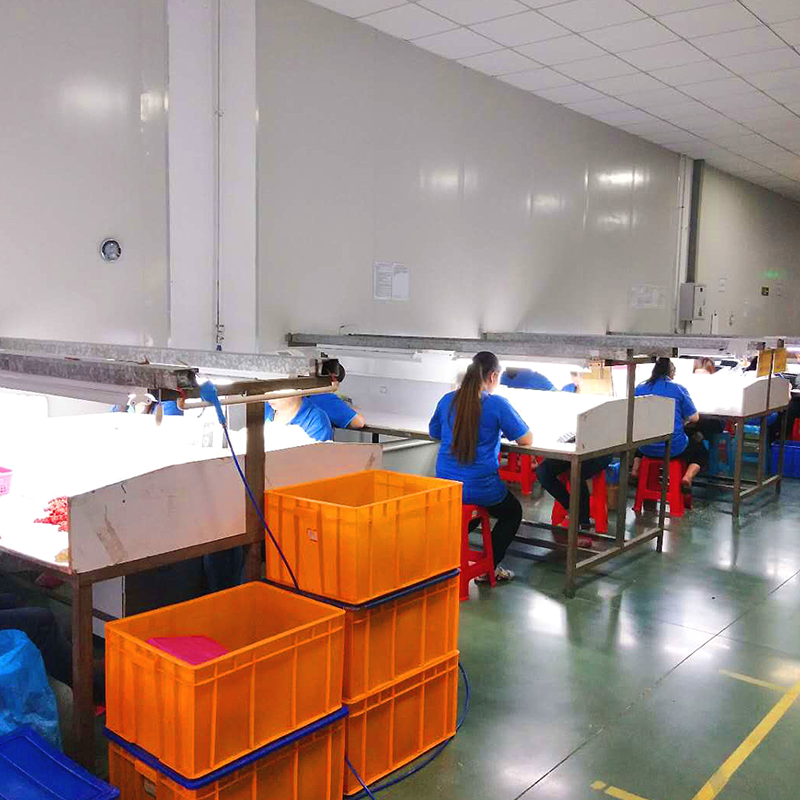
At YJC Polymer, we understand the importance of creating high-quality, visually appealing silicone products. With years of experience in compression molding and a commitment to innovation, we take extra care to minimize the chances of blooming in all of our silicone products. By using advanced formulations and implementing strict quality control measures, we ensure that our products maintain their integrity and aesthetic appearance from the mold to the final use.
We focus on providing tailored solutions for each client’s needs, whether it’s through customized silicone formulations or optimizing the molding process to reduce surface imperfections. And, of course, we’re always looking for new ways to improve and evolve in this dynamic industry.
Say Goodbye to Blooming!
While blooming in compression molded silicone products may seem like an inevitable issue, it’s entirely preventable with the right materials, techniques, and environmental control. By choosing the right additives, optimizing the curing process, and maintaining controlled storage conditions, manufacturers can drastically reduce or even eliminate blooming altogether.
At YJC Polymer, we’re dedicated to delivering silicone products that are not only functional but also free from the dreaded bloom. If you’re dealing with blooming in your products, we invite you to reach out to us. Let’s talk about how we can help you achieve flawless silicone every time.
 German
  English
  Spanish
  Portuguese
  French
  Russian