
Medical device teams are overmolding more components than they were five years ago — not because the process is new, but because the devices themselves have changed.
Handheld diagnostics, wearable monitors, and minimally invasive instruments now need soft-touch grips, sealed housings, and biocompatible contact surfaces built into a single part, rather than assembled from several.
Silicone overmolding is one of the few processes that can deliver all three at once, which is why it has moved from a finishing option to a core consideration during early product development.
This article explains what silicone overmolding involves, the material and design factors that determine whether an overmolded medical component can meet biocompatibility and sterilization requirements, and how OEM buyers can evaluate a manufacturing partner before tooling investment.
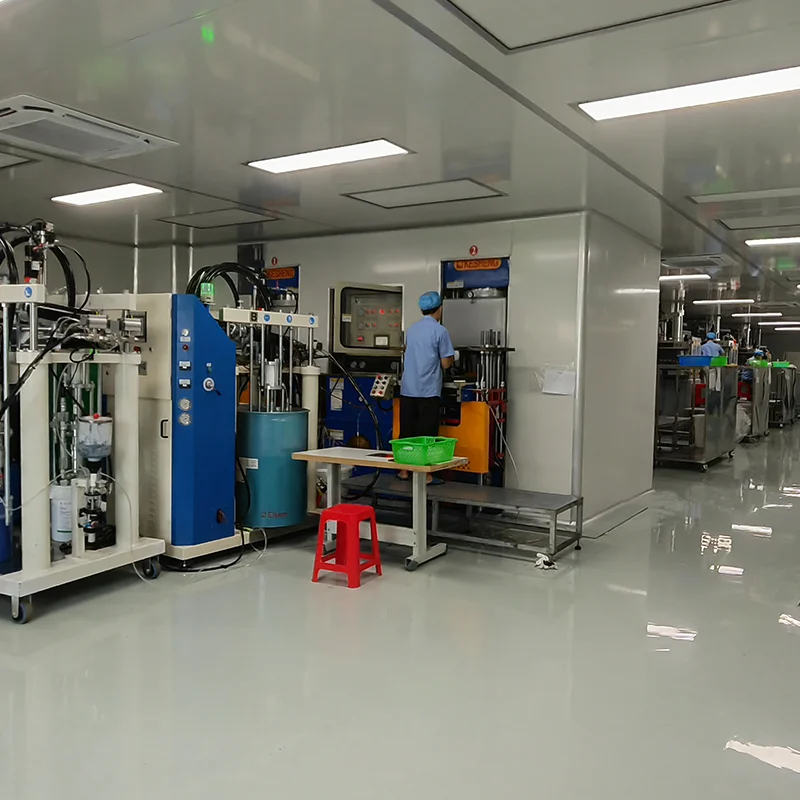
Why Silicone Overmolding Is Becoming Central to Medical Device Design
Market Growth Is Increasing Demand for Medical Silicone Components
Demand for medical-grade silicone has grown faster than silicone consumption in many other industrial categories.
The global medical grade silicone market was valued at roughly USD 601.7 million in 2024 and is projected to reach USD 922.7 million by 2030, representing a CAGR of 7.4%, according to Grand View Research Medical Grade Silicone Market Report.
Elastomers represent a significant portion of this market because LSR and HCR materials are widely used in applications such as:
- pump diaphragms
- catheter components
- wearable device housings
These applications often require the same manufacturing advantages provided by silicone overmolding.Regulatory Expectations Are Moving Material Decisions Earlier
Biocompatibility documentation requirements have become more specific throughout medical device development.
The U.S. FDA guidance regarding ISO 10993-1 Biological Evaluation of Medical Devices emphasizes that changes in:
- material formulation
- manufacturing process
- suppliers
may require additional evaluation.
For overmolded components, the following must be considered together:
- substrate material
- silicone compound
- bonding interface
- molding process
These elements cannot be treated as separate purchasing decisions.
Overmolding Solves Functional Design Challenges
Recent MedTech manufacturing analysis highlights that miniaturization, wearable devices, and repeated sterilization cycles are pushing overmolding from an aesthetic option toward a functional manufacturing solution.
According to Medical Micro Molding — Overmolding Medical Devices Analysis, silicone overmolding helps manufacturers achieve:
- improved grip performance
- protection against impact
- reduced sealing points
- integrated soft-touch surfaces
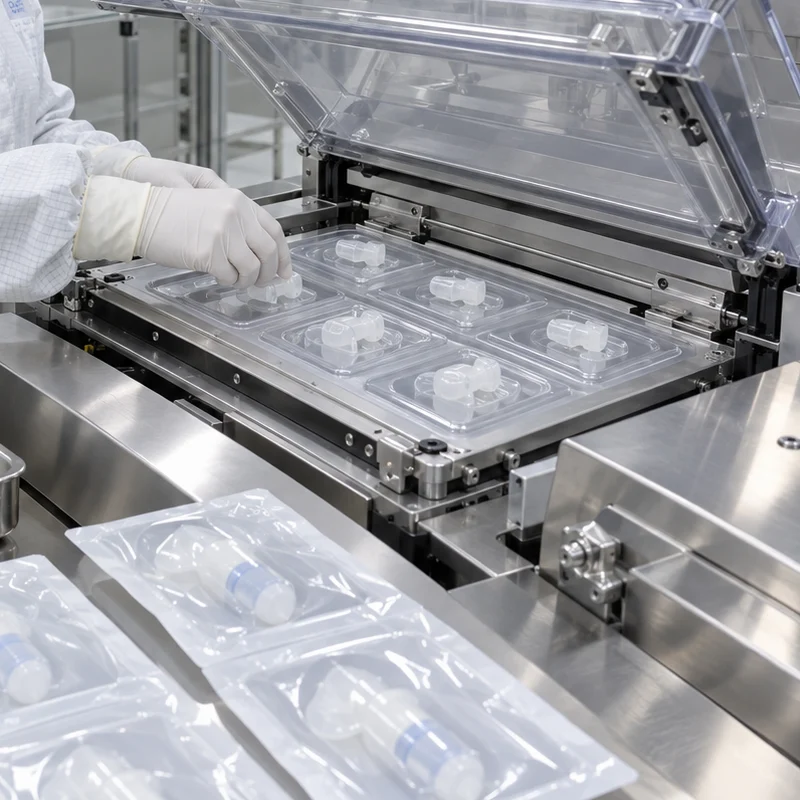
What Silicone Overmolding Actually Involves
The Basic Silicone Overmolding Process
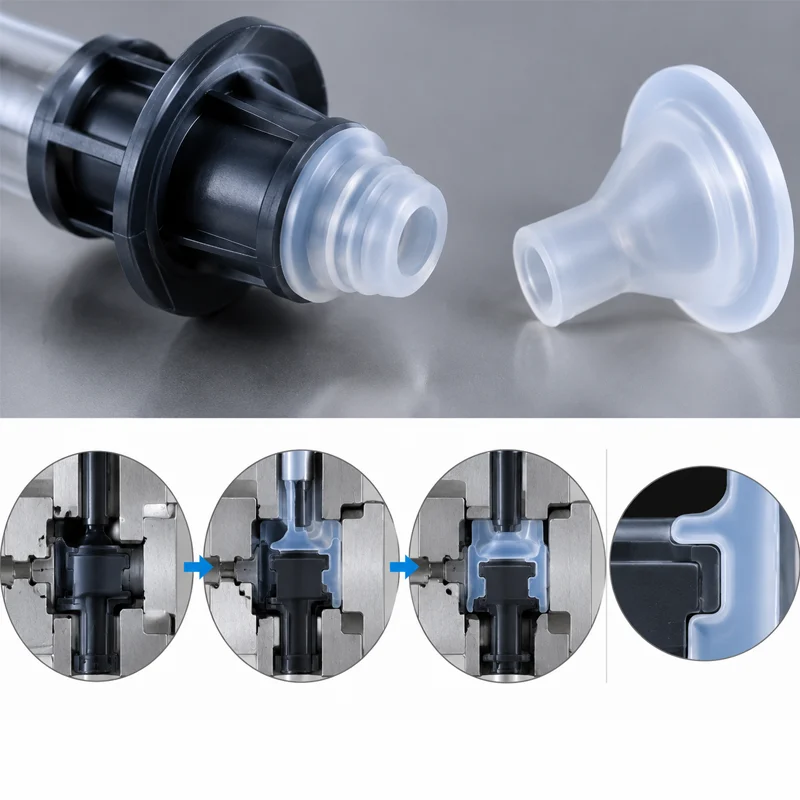
Silicone overmolding molds liquid silicone rubber (LSR) directly onto a substrate, including:
- rigid plastic components
- metal inserts
- existing molded parts
Instead of assembling multiple components mechanically, the process creates a single integrated component.
For OEM projects requiring precision silicone components, YJC Polymer provides LSR Injection Molding Service supporting material selection, tooling development, and production.
Single-Shot, Two-Shot, and Insert Overmolding
Insert Overmolding
Insert overmolding places a pre-manufactured substrate inside the mold before silicone injection.
Typical inserts include:
- metal pins
- plastic frames
- electronic components
Two-Shot Overmolding
Two-shot molding combines different materials within one production cycle.
Benefits include:
- reduced assembly steps
- improved consistency
- integrated product design
Single-Shot Overmolding
Used for:
- multi-durometer components
- soft-touch surfaces
- ergonomic grips
Where Silicone Overmolding Is Used in Medical Devices
Silicone overmolding is commonly found in:
- sealed diagnostic buttons
- surgical instrument grips
- wearable device contact surfaces
- silicone sealing components
YJC Polymer has experience producing Medical Grade Silicone Hearing Aid Components where thin sections, undercuts, and consistent silicone hardness are critical production requirements.
Material Selection Considerations Before Tooling
Medical Grade Silicone Requires Documentation
A silicone material labeled “medical grade” is only the starting point.
OEM buyers should verify:
- USP Class VI compliance
- ISO 10993 biological evaluation data
- material formulation stability
- supplier documentation
Material verification should happen before tooling development, not after samples are approved.
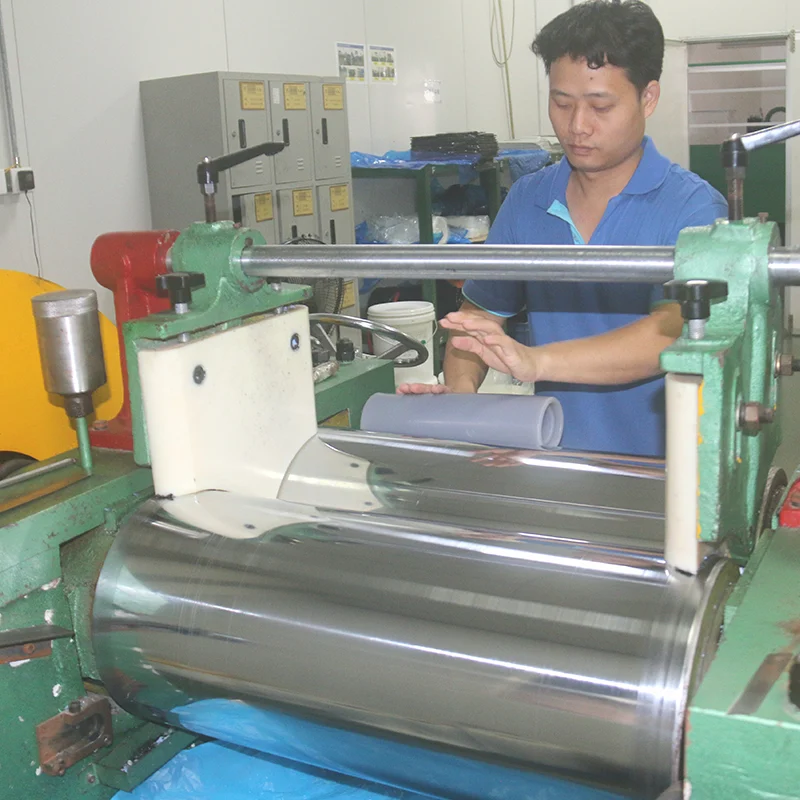
Substrate Compatibility Determines Bond Reliability
LSR does not bond equally with every substrate.
Common substrates include:
- Nylon
- Polycarbonat
- Surface-treated metals
Successful bonding may require:
- primer systems
- compatible silicone grades
- mechanical interlocking features
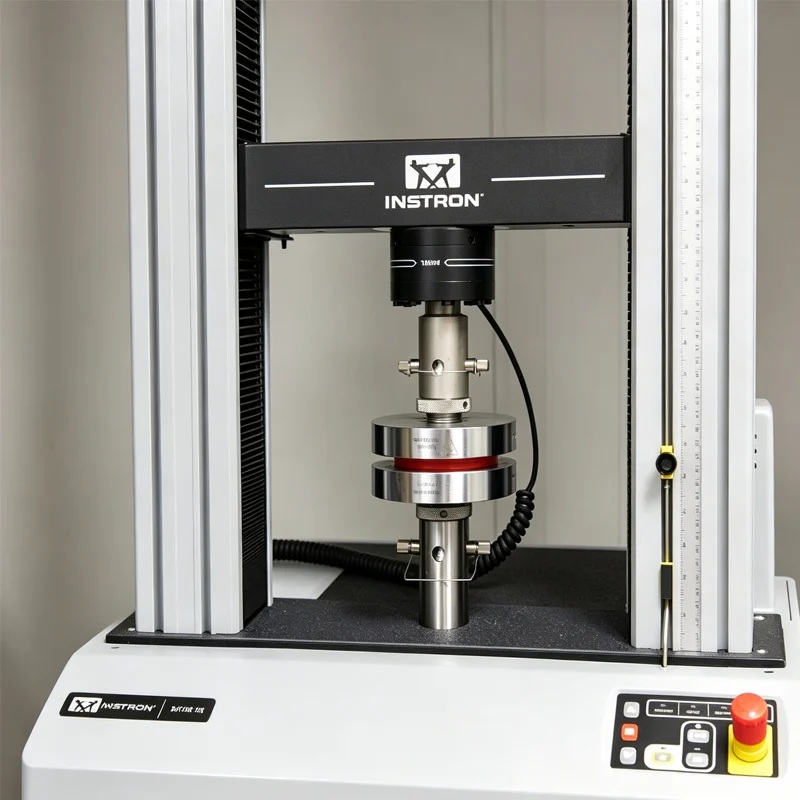
Bond strength should be validated through:
- peel testing
- shear testing
Sterilization Compatibility Must Be Defined Early
Medical devices may require:
- steam autoclave
- ethylene oxide (EtO)
- gamma sterilization
- e-beam sterilization
Each method can affect:
- silicone performance
- substrate compatibility
- bonding durability
Sterilization requirements should be confirmed before final material selection.
Durometer and Surface Performance Requirements
Silicone hardness affects:
- grip feeling
- flexibility
- tactile response
- sealing performance
Optical and surface requirements should be defined together with:
- material selection
- bonding requirements
- production validation
Part Design Considerations for Reliable Overmolded Assemblies
Wall Thickness and Flow Path Planning
LSR flows easily into complex geometries, but successful designs still require early flow planning.
YJC Polymer’s Overmolding Design Guide explains that early design consideration helps avoid:
- incomplete filling
- uneven curing
- inconsistent wall thickness
Designing the Bond Interface
A reliable overmolded component requires intentional bonding design.
Common methods include:
- undercuts
- grooves
- mechanical locking structures
- chemical adhesion
The bond should be engineered into the part design rather than assumed.
Draft Angles, Undercuts, and Parting Lines
Because silicone and substrate materials shrink differently:
OEM engineers need to evaluate:
- mold release
- parting line location
- undercut complexity
Dimensional Tolerancing Across Two Materials
Silicone and rigid substrates have different shrink rates.
Therefore, tolerance planning must consider:
- silicone deformation
- substrate movement
- final assembly requirements
Manufacturing Process Considerations for Regulated Production
Cold Runner and Hot Runner Tooling Systems
Medical LSR production commonly uses cold runner tooling.
Advantages include:
- reduced material waste
- stable production cycles
- improved repeatability
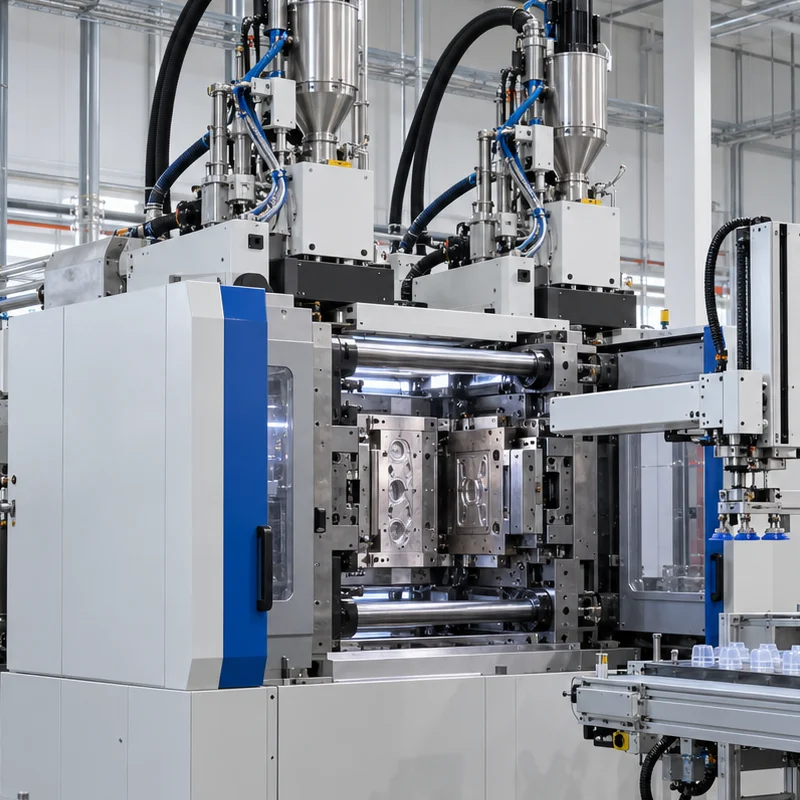
YJC Polymer provides LSR Mold Design with Cold Runner Technology solutions for precision silicone molding.
Cleanroom and Environmental Controls
Medical silicone components require controlled production environments.
OEM buyers should confirm:
- cleanroom classification
- contamination control
- assembly environment
Process Validation (IQ/OQ/PQ)
For regulated medical components, production processes require validation:
Installation Qualification (IQ)
Verify equipment installation.
Operational Qualification (OQ)
Confirm process parameters.
Performance Qualification (PQ)
Demonstrate repeatable production results.
In-Process Quality Control
Production monitoring should include:
- dimensional inspection
- bond testing
- visual inspection
- material traceability
How OEM Buyers Should Evaluate a Silicone Overmolding Partner
Before investing in tooling, buyers should evaluate:
Certification Capability
Confirm whether suppliers maintain:
- ISO 9001
- ISO 13485
and whether certification covers the required manufacturing process.
Engineering Support Before Tooling
Evaluate whether the supplier provides:
- DFM review
- mold analysis
- gate evaluation
- interface optimization
Material Traceability
Confirm suppliers provide:
- Certificates of Analysis
- batch records
- material documentation
Experience With Similar Components
Look for experience with:
- thin-wall parts
- complex geometry
- multi-cavity molds
- tight tolerances
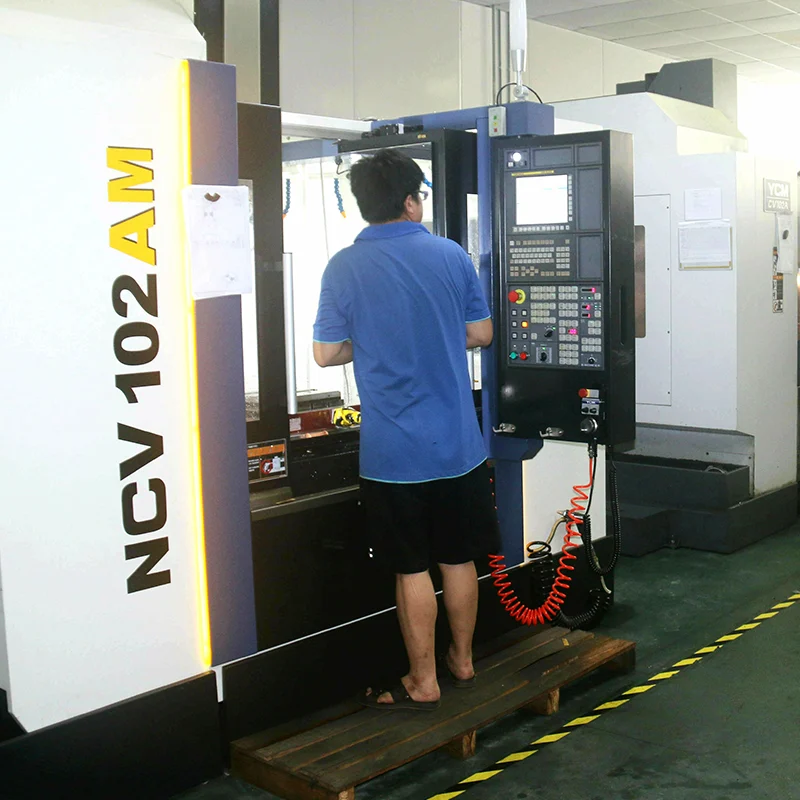
YJC Polymer’s Medical & Life Science Manufacturing Capability integrates LSR molding, compression molding, CNC machining, and DFM analysis for medical component development.
What This Means for Your Product Development Strategy
Selecting an overmolding partner affects more than manufacturing cost.
It influences:
- bill of material complexity
- assembly requirements
- warranty risk
- regulatory documentation
- production scalability
A validated overmolded design can reduce long-term risk by combining multiple functions into a single component.
Abschluss
Silicone overmolding enables medical device manufacturers to integrate sealing, grip, and biocompatible contact surfaces into one molded component.
However, successful results depend on treating:
- material selection
- bonding design
- tooling
- validation
as connected engineering decisions.
OEM buyers who verify supplier capabilities before tooling investment can reduce requalification risk and improve product development efficiency.
Häufig gestellte Fragen
1. What silicone grade is required for medical device overmolding?
Most medical applications use platinum-cured LSR materials that meet USP Class VI and relevant ISO 10993 requirements.
2. Can silicone be overmolded onto metal components?
Yes. Metal overmolding typically requires surface preparation, compatible materials, and mechanical bonding design.
3. How do OEM buyers evaluate a medical silicone supplier?
Key evaluation factors include:
- ISO 13485 certification
- DFM capability
- material traceability
- comparable production experience
4. What causes silicone overmolding delamination?
Common causes include:
- incompatible materials
- insufficient bonding design
- sterilization stress
About the Author
Wei is a Senior Polymer Process Engineer at YJC Polymer, focusing on LSR injection molding, silicone overmolding, and tooling design for medical and consumer device applications.
He supports OEM projects from material selection and DFM review through mold validation and production qualification.
References
- Grand View Research — Medical Grade Silicone Market Size, Share & Trends Analysis Report
https://www.grandviewresearch.com/industry-analysis/medical-grade-silicone-market - U.S. Food and Drug Administration — ISO 10993-1 Biological Evaluation of Medical Devices
https://www.fda.gov/downloads/medicaldevices/deviceregulationandguidance/guidancedocuments/ucm348890 - Medical Micro Molding — Overmolding Medical Devices: An Emerging Trend in MedTech
https://www.medicalmicromolding.com/overmolding-medical-devices-an-emerging-trend-in-medtech-2025/
 German
  English
  Spanish
  Portuguese
  French
  Russian