
O-rings might not be the flashiest part of machinery, but they sure are essential. You may not think twice about them, but without these humble rubber rings, your machines, cars, and even some of the devices you use daily would be leaking, inefficient, or worse—broken. But how exactly do these simple little seals work their magic?
In this post, we’re going to break down the mechanics behind O-rings, focusing less on the material variety and more on how they actually work to keep everything tight and leak-free.
The Basics: What Is an O-Ring?
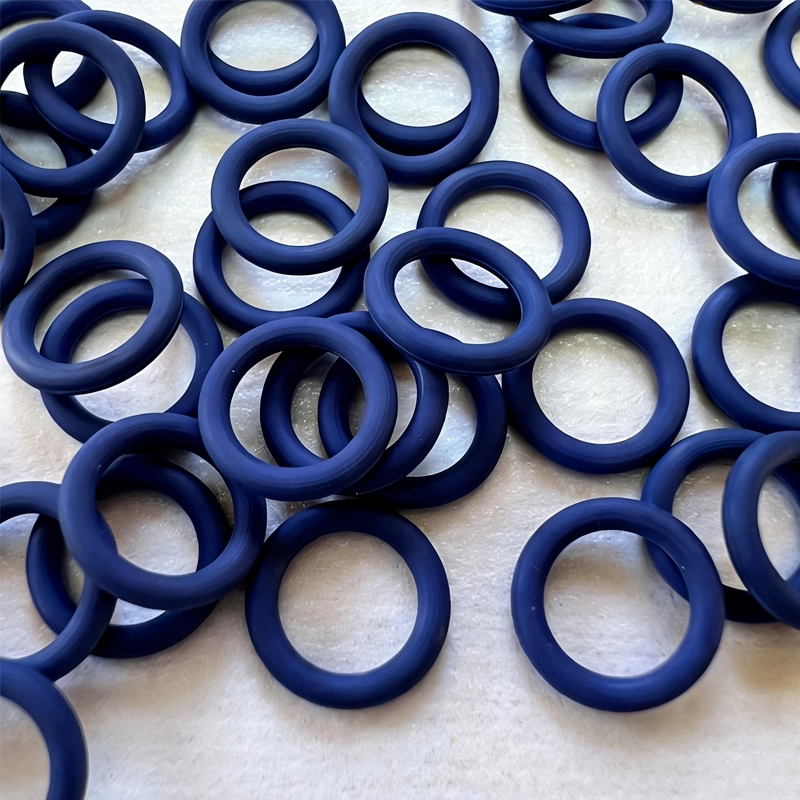
An O-ring is a round, elastic ring made from rubber or other flexible materials. It’s used to create a seal between two parts in order to prevent the leakage of gases or liquids. The O-ring sits in a groove, and when two parts are compressed together, the ring is squeezed into place. This compression creates a tight seal between the parts, preventing anything from sneaking through.
It’s like when you close a soda can and push the tab down—except O-rings are way more precise and durable than that tab. And rather than just holding in carbonation, they can seal in high-pressure gases, hydraulic fluids, oil, water, and just about anything in between.
How Do O-Rings Actually Work?
Okay, here’s the fun part: the magic behind the science. At first glance, an O-ring might seem simple. It’s just a little round rubber band, right? But its operation is a bit more clever than that.
When an O-ring is installed between two parts, its job is to prevent leakage. So how does it do that? It’s all about pressure, elasticity, and material properties.
1. Compression is Key
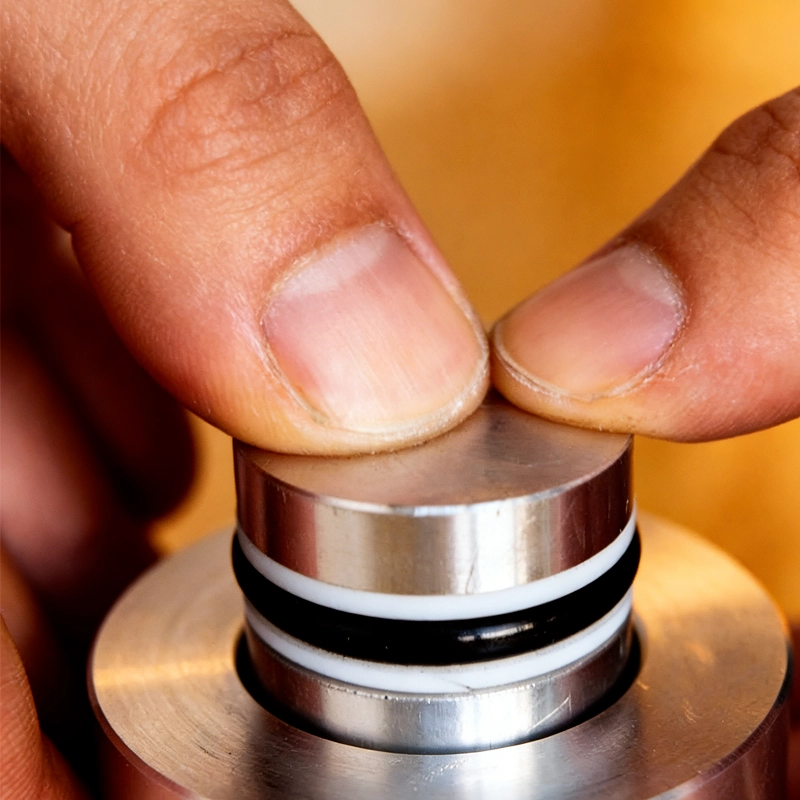
The magic of the O-ring lies in how it behaves under compression. When you press two parts together—say, a piston and a cylinder—an O-ring sitting in a groove gets compressed. The key here is that an O-ring is designed to stretch just a little when compressed. It’s this elastic stretching that ensures it fills the entire groove, pressing tightly against the surfaces it’s sealing.
In other words, when the O-ring is compressed, it expands outward in all directions to fill every gap, creating a tight barrier between the two components. This is especially important when dealing with high-pressure situations, where the seal needs to keep fluids or gases from leaking out (or in).
2. Sealing by Elasticity
Elasticity is the star of the show. O-rings are made of flexible materials like rubber, silicone, or nitrile that can return to their original shape after being stretched. This elasticity allows the O-ring to maintain its tight seal even if there’s some movement or shifting between the two parts it’s sealing.
Imagine a gasket that deforms or loses its shape over time. It would stop sealing properly, and leaks would occur. But O-rings retain their elasticity over much longer periods, meaning they can continue to seal even in moving, vibrating, or pressurized systems.
3. Dual Sealing Action
One of the most interesting things about O-rings is that they can seal both internal and external leaks. If you’re looking at a hydraulic cylinder, for example, the O-ring might be sealing against high-pressure hydraulic fluid inside the cylinder while also preventing outside dirt or moisture from getting in. This dual-action makes O-rings incredibly versatile in many industries, from automotive to aerospace.
The Importance of the Right Fit
You might be wondering, “So, why can’t I just use any old rubber ring?” Well, that’s where it gets interesting.
For an O-ring to work effectively, it needs to be the right size, shape, and material for the specific application. The material needs to match the environment it’s in—whether that’s hot, cold, chemically aggressive, or exposed to pressure. And the O-ring needs to be sized correctly. If it’s too big, it could cause excessive friction. Too small, and it won’t compress enough to form a tight seal.
But here’s the kicker: it’s not just the size of the O-ring that matters, but the groove it sits in. If the groove is too deep, too shallow, or uneven, the O-ring won’t compress properly, and it won’t form an effective seal.
Real-World Examples of O-Ring Action
Let’s take a look at some real-world examples where O-rings are working behind the scenes to keep things from leaking:
1.Automotive Engines
In your car’s engine, O-rings prevent oil and coolant from leaking out between components, keeping the engine cool and running smoothly. Without O-rings, you’d probably notice your engine overheating in no time.
2.Aerospace
In spacecraft or aircraft, O-rings seal fuel lines, hydraulic systems, and even pressurized cabin environments. Imagine if an O-ring in the fuel line failed during flight. It would be catastrophic.
3.Industrial Equipment
O-rings in hydraulic machinery ensure that the pressurized fluid stays inside the system, keeping machines running at full efficiency without dangerous leaks.
4.Plumbing:
You’ll find O-rings in many plumbing applications, from faucets to water pumps. These seals prevent water from leaking around connections, keeping your home dry and your plumbing functional.
Why O-Rings Are Essential in Keeping Things Tight
At The term "YJCPolymer" appears to be a proper noun, likely a brand or company name, and typically, proper nouns do not get translated. Therefore, it would remain "YJCPolymer" in German as well. If you have additional context or need further assistance, feel free to provide it!, we understand the importance of O-rings in preventing leaks and ensuring smooth operation across a wide range of applications. That’s why we specialize in manufacturing high-quality O-rings designed to withstand even the toughest conditions.
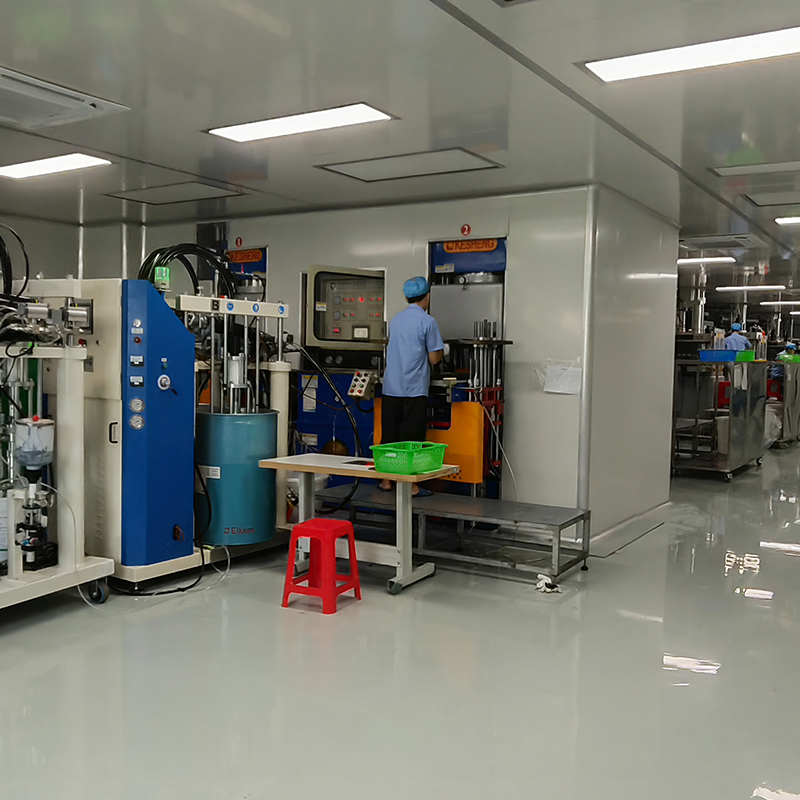
Our product offerings include O-rings made from LSR (Liquid Silicone Rubber), which is ideal for high-performance applications in both the medical and industrial fields. From medical device O-rings that meet stringent regulatory standards to custom O-rings crafted for specialized needs, we provide a variety of options that can handle even the most demanding environments. Our O-rings are engineered for precision, reliability, and long-lasting performance.
Whether you’re looking for a stock part or a customized O-ring solution, we’re here to help you find the perfect seal for your needs. Let The term "YJCPolymer" appears to be a proper noun, likely a brand or company name, and typically, proper nouns do not get translated. Therefore, it would remain "YJCPolymer" in German as well. If you have additional context or need further assistance, feel free to provide it! be your trusted partner in sealing technology.
 German
  English
  Spanish
  Portuguese
  French
  Russian